




Imagine cultivating a thriving garden without soil, where each plant receives precisely what it requires at every stage of growth. This isn’t just a gardener’s dream—it’s the groundbreaking reality enabled by a hydroponic recirculating system. As the world increasingly looks towards sustainable and efficient farming solutions, hydroponics stands out as a beacon of innovation. This system, which conserves water and maximizes nutrient delivery, is a game-changer for both amateur gardeners and large-scale agricultural producers alike.
Delving into the intricate dance of nutrients and water within a hydroponic recirculating system reveals a wealth of ingenious strategies poised to revolutionize the way we grow plants. Unlike traditional farming methods, this system recycles resources, drastically minimizing waste while boosting yield. As urban areas expand and arable land diminishes, these systems offer a visionary solution that could well be the key to feeding our planet more sustainably. Join us as we unlock the door to this fascinating world, revealing insights that pave the way for unparalleled growth and innovation in agriculture.
Understanding Hydroponic Recirculating Systems
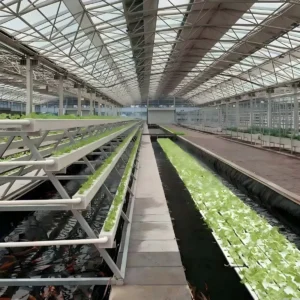
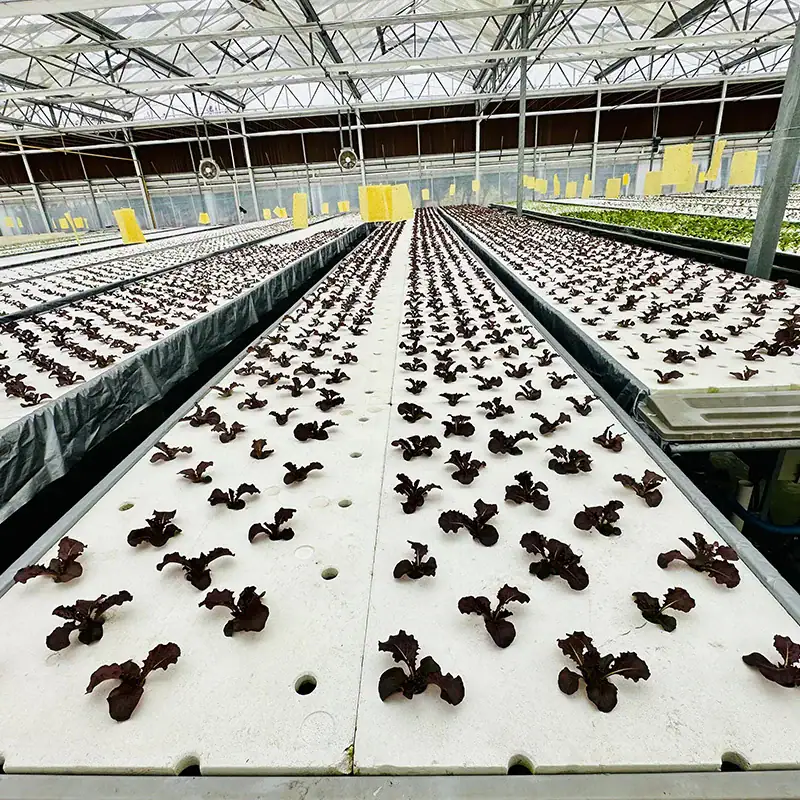
At its core, a hydroponic recirculating system is an advanced cultivation setup where water enriched with nutrients is circulated continuously among plant roots. Unlike traditional hydroponics, which may require daily manual water changes, recirculating systems automate the process: pumps route nutrient solution from a reservoir to plant beds, where gravity or tubing returns excess solution back to the reservoir. This closed-loop not only ensures a consistent supply of oxygen and nutrients but also minimizes resource waste. Throughout the day and night cycles, plants remain bathed in an optimal environment, delivering steady growth rates and uniform crop development.
Understanding how a hydroponic recirculating system functions also highlights its adaptability. Temperature, pH, and nutrient concentration can be monitored in real time through sensors, allowing growers to fine-tune conditions based on plant species and developmental stage. Whether you’re cultivating leafy greens in an urban rooftop greenhouse or large-scale tomato operations in a controlled-environment agriculture facility, the flexibility of recirculating hydroponics empowers growers to respond quickly to changing needs. This level of precision translates into faster harvest cycles, higher yields per square foot, and more predictable harvest schedules—key benefits for both boutique growers and commercial producers striving for consistent, high-quality output.
Key Components of a Hydroponic Recirculating System
Every hydroponic recirculating system comprises several fundamental parts working in harmony. The reservoir holds the nutrient solution, while submersible pumps feed it to grow trays or channels. Return lines transport unused solution back to the reservoir, completing the cycle. Sturdy piping, connectors, and fittings ensure leak-free transport of water and nutrients, and timer controllers regulate pumping intervals. Together, these components establish a self-sustaining loop that conserves water and maintains an optimal root zone environment.
Beyond the basics, filtration units and mixing chambers often enhance system performance. Filters trap debris and biofilm, protecting pumps and keep nutrient solution clean. Mixing chambers or venturi injectors ensure homogenized solutions, preventing nutrient stratification. Aeration stones supplement dissolved oxygen levels, vital for root respiration and preventing stagnation. Finally, monitoring equipment—pH meters, EC readers, and temperature probes—provide growers with real-time data to adjust feeding regimens. By integrating automation and sensors, these systems reduce labor, eliminate guesswork, and sharpen resource management, underscoring why hydroponic recirculating systems are celebrated for efficiency and precision.
Water Conservation Techniques in Hydroponic Recirculating Systems
Water scarcity is a pressing global concern, and hydroponic recirculating systems address this challenge head-on by dramatically reducing water usage. In a typical soil-based farm, much of the irrigation water is lost to evaporation or runoff. In contrast, recirculating hydroponics reuses up to 90 percent of the water in a closed loop, slashing overall consumption. By continuously cycling nutrient solution, growers minimize waste, making every drop count.
Additionally, drip emitters and micro-sprinklers deliver water precisely where roots need it, optimizing uptake and further reducing losses. Smart sensors alert operators to leaks or imbalances, preventing unnoticed drainage. Furthermore, integrated rainwater harvesting systems can replenish reservoirs, blending sustainable water sources with recirculated nutrient solution. Collectively, these conservation techniques not only cut utility bills but also lower the environmental footprint of food production, solidifying the role of hydroponic recirculating systems in the future of water-wise agriculture.
Innovations and Advances in Hydroponic Recirculating Technology
Recent developments in hydroponic recirculating system design have propelled the technology to new heights. AI-driven controls now analyze growth patterns and adjust nutrient blends on the fly, ensuring that plants receive exactly what they need to thrive. Machine learning algorithms can predict and prevent nutrient deficiencies or imbalances, reducing crop losses and optimizing harvest schedules. Meanwhile, modular vertical towers and stacked-tray systems maximize space efficiency, enabling urban farms to produce vast quantities of food in minimal footprints.
On the materials front, antimicrobial coatings and UV sterilization modules keep reservoirs free of pathogens, enhancing food safety and reducing the need for chemical treatments. Solar-powered pumps and energy recovery systems shrink the carbon footprint of operations, making hydroponic recirculating systems both resource- and cost-efficient. Research into nano-fertilizers promises targeted nutrient delivery at the cellular level, while blockchain-enabled tracking solutions provide full transparency from seed to harvest. These converging innovations underscore how a hydroponic recirculating system is not just a static setup but a dynamic, evolving ecosystem driving sustainable agriculture forward.
Conclusion: Embracing the Future of Agriculture with Hydroponic Recirculating Systems
As challenges like climate change, urbanization, and dwindling freshwater supplies intensify, hydroponic recirculating systems emerge as pivotal players in the quest for sustainable food production. Their efficient resource use, scalability, and adaptability make them ideal for both small-scale enthusiasts and commercial enterprises aiming to boost yields while curbing environmental impact.
By combining advanced automation, water-saving innovations, and precision nutrient management, these systems chart a course toward resilient, future-proof agriculture. Embracing hydroponic recirculating systems today means investing in a greener tomorrow—one harvest at a time.
