




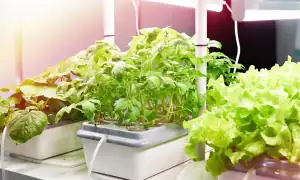

Imagine harvesting a bounty of luscious, juicy strawberries right from your living room, without the need for a traditional garden bed. Sounds too good to be true? Think again! The strawberry hydroponic system is revolutionizing how we grow this beloved fruit, offering a sustainable and space-saving solution that can transform your home into a fruitful oasis. By bypassing soil, this innovative system allows strawberries to flourish in nutrient-rich water, making it possible for even urban dwellers with limited outdoor space to enjoy home-grown berries year-round.
But why choose a strawberry hydroponic system over conventional gardening methods? The answer lies in its remarkable efficiency and control over growing conditions. This method not only speeds up growth cycles but also eliminates common soil-borne pests and diseases, resulting in healthier plants and more consistent yields. Whether you’re an experienced gardener or a curious newbie, mastering this system can open the door to fresh, organic strawberries at your fingertips, every single day. Join us as we delve into everything you need to know to get started on your hydroponic journey, and soon you’ll be savoring sweet success.

Understanding the Basics of Hydroponics for Strawberries
Hydroponics is an innovative growing technique that cultivates plants without soil, relying instead on a carefully balanced nutrient solution. In a strawberry hydroponic system, strawberry plants are supported in inert media—such as rock wool, perlite, or coconut coir—while their roots dangle into water enriched with essential minerals. This direct access to nutrients and oxygen accelerates growth, boosts fruiting, and minimizes waste, since water can be recycled through the system. The absence of soil also means no soil-borne diseases or pests, making maintenance simpler and yields more predictable.
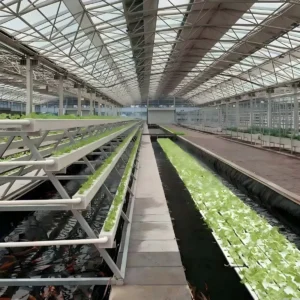
Several hydroponic methods work well for strawberries. Nutrient Film Technique (NFT) channels a thin film of solution over roots, providing constant nutrient flow. In Deep Water Culture (DWC), roots are suspended in oxygenated nutrient tanks, ideal for rapid growth. Ebb and flow systems periodically flood and drain trays, simulating natural moisture cycles. Each setup varies in complexity, cost, and maintenance, but they all share the core principle: delivering water, oxygen, and nutrients directly to roots. By understanding these foundational concepts, you can choose the right approach for your space, budget, and yield goals.
Essential Components for Setting Up Your Hydroponic Strawberry Garden
Establishing a successful strawberry hydroponic system begins with selecting the right hardware. You’ll need a sturdy frame or shelving unit to hold your channels or containers, along with net pots or grow cups to cradle each plant. A reservoir tank stores the nutrient solution, which is pumped through tubing and emitters to your strawberry roots. Submersible or inline pumps ensure consistent water flow, while air stones and an aquarium pump maintain adequate oxygen levels. Monitoring tools—pH meters, EC (electrical conductivity) meters, and thermometers—help you track water quality and nutrient strength in real time.
For indoor setups, proper lighting is critical: full-spectrum LED-Wachstumsleuchten simulate the sun’s rays, supporting photosynthesis and flowering. Timers automate light and pump schedules, making daily maintenance effortless. A high-quality nutrient blend formulated for fruiting plants provides balanced ratios of nitrogen, phosphorus, potassium, and micronutrients. Don’t overlook environmental controls: small clip-on fans improve air circulation, and humidity trays can prevent mold. By assembling these essential components with attention to detail, you’ll create an efficient, reliable system that nurtures strawberries from seedlings to abundant harvests.
Choosing the Right Strawberry Varieties for Hydroponic Cultivation
Selecting the best strawberry varieties ensures maximum flavor, productivity, and disease resistance in your hydroponic garden. Day-neutral and everbearing cultivars are top choices because they produce fruit continuously throughout the growing season, unlike June-bearing types that yield a single large crop. Varieties such as Albion, Seascape, and Monterey are prized for their firm texture, high sugar content, and adaptability to hydroponic environments. Albion excels in heat tolerance, while Seascape offers large, glossy berries that hold up well in nutrient film systems.
When evaluating cultivars, consider factors like runner production, flavor profile, and susceptibility to root diseases. Tribute and Tribute’s descendant Evie-2 perform admirably in deep water culture setups, delivering sweet, aromatic berries that ship well. If space is limited, Alpine and compact varieties like Quinault thrive in tiered systems, making efficient use of vertical racks. Ultimately, trial and observation will guide you toward the cultivars that flourish under your home conditions. By matching plant genetics to your hydroponic design, you’ll enjoy a steady stream of succulent strawberries.
Maintenance Tips for a Thriving Hydroponic Strawberry Garden
Maintaining optimal nutrient solution chemistry is vital for robust strawberry growth. Replace or top up your hydroponic reservoir every one to two weeks to prevent nutrient imbalances and stagnation. Keep pH levels between 5.5 and 6.2 for efficient nutrient uptake, and aim for an EC reading of 1.2–1.8 mS/cm, adjusting as plants mature. Regularly monitor water temperature, ideally between 65°F and 70°F, to enhance oxygen solubility and root health. Insufficient oxygen can stunt growth, so ensure your air stones and pumps are functioning smoothly at all times.
Pest and disease management in a strawberry hydroponic system is simpler than in soil-based gardens, but vigilance is still key. Inspect plants weekly for aphids, spider mites, and powdery mildew, and act quickly with organic controls like neem oil or insecticidal soap. Maintain good air circulation and moderate humidity to discourage fungal outbreaks. Remove yellowing leaves and spent flowers to channel energy into fruit development. If you grow indoors, hand-pollinate blossoms with a soft makeup brush to simulate bees, boosting fruit set. Consistent upkeep and observation will reward you with healthier plants and bountiful harvests.
Conclusion: Embracing the Sweet Success of Mastering Juicy Yields
Embarking on your journey with a strawberry hydroponic system unlocks year-round access to delicious, home-grown berries, even in the smallest of spaces. By understanding core principles, investing in quality components, choosing the right varieties, and following diligent maintenance routines, you’ll reap consistently sweet rewards.
With patience and care, your hydroponic strawberry garden will flourish, filling your home with vibrant greenery and succulent fruit. Start today, and savor the unmatched satisfaction of harvesting juicy strawberries cultivated entirely by you.
