





Una fábrica de contenedores genera beneficios cuando las inversiones estratégicas se combinan con operaciones eficientes y una fuerte demanda del mercado. Su plazo de rentabilidad varía. Factores financieros y operativos críticos determinan este plazo. Los propietarios deben comprender el camino desde el desembolso inicial hasta el beneficio sostenido.
Principales conclusiones
- Una granja de contenedores necesita una planificación cuidadosa y decisiones monetarias inteligentes para obtener beneficios. Debes conocer tus costes y saber cómo venderás tus cosechas.
- Elija cultivos especiales que se vendan más caros. Encuentra clientes que quieran alimentos frescos y locales. Esto ayuda a tu granja a ganar dinero más rápido.
- Utilice tecnología inteligente y métodos eficientes para cultivar plantas. Esto reduce los costes y ayuda a que tu explotación sea rentable antes.
Inversión inicial para su fábrica de plantas en contenedores
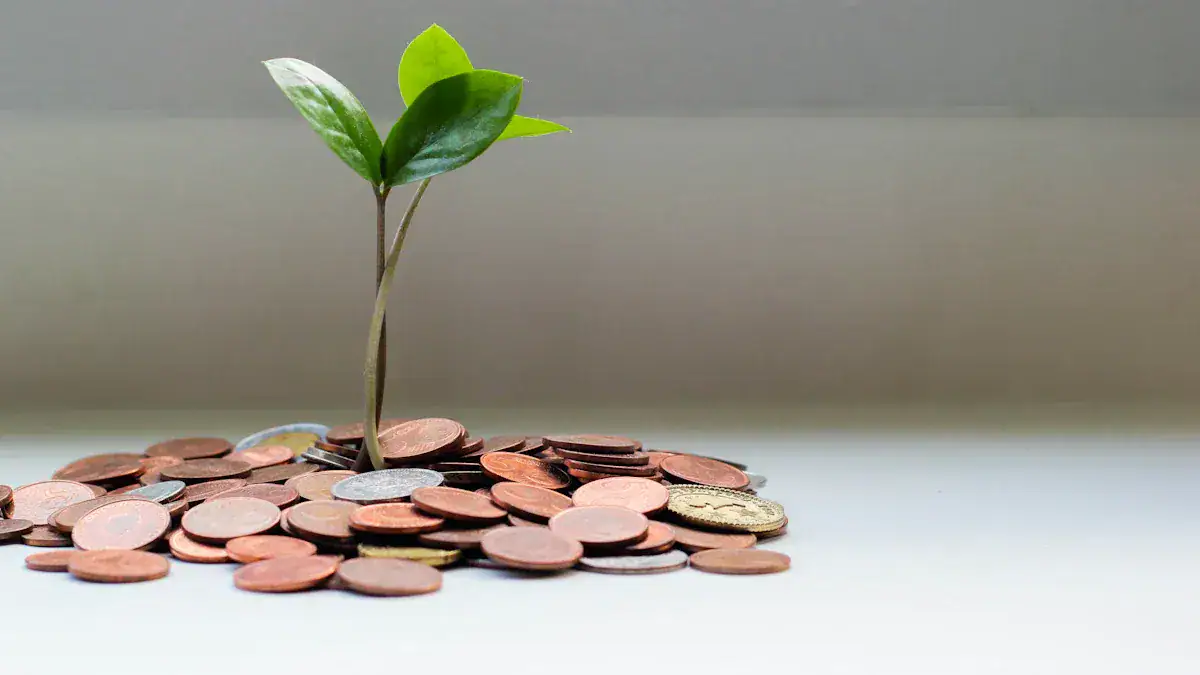
Poner en marcha una explotación vertical requiere un importante capital inicial. Estos costes iniciales sientan las bases de las operaciones futuras. Conocer estas inversiones ayuda a los propietarios a planificar su presupuesto con eficacia.
Adquisición y personalización de contenedores
El primer paso consiste en comprar contenedores de transporte. Estos contenedores forman la estructura física de la explotación. A continuación, los propietarios los adaptan al uso agrícola. Esto incluye el aislamiento, las modificaciones estructurales y los puntos de acceso. El coste varía en función del tamaño del contenedor y de la complejidad de las modificaciones.
Integración de sistemas de agricultura vertical
A continuación, los propietarios integran el Agricultura vertical sistema. Esto incluye bastidores, estantes y bandejas de cultivo. Estos sistemas maximizan el espacio de cultivo dentro del contenedor. También garantizan una colocación eficaz de las plantas. El tipo de sistema elegido repercute en el coste total.
Control medioambiental y sistemas de iluminación
Mantener unas condiciones de cultivo óptimas es crucial. Para ello hay que invertir en sistemas de control ambiental. Entre ellos, unidades de calefacción, ventilación y aire acondicionado para regular la temperatura y la humedad. Las luces de cultivo LED de alta eficiencia también son esenciales. Proporcionan el espectro de luz necesario para el crecimiento de las plantas. Los sensores y controladores gestionan estos sistemas.
Soluciones de automatización y software
Las granjas verticales modernas suelen utilizar la automatización. Esto reduce las necesidades de mano de obra y mejora la eficiencia. Los sistemas de riego automatizados suministran agua y nutrientes con precisión. El software controla la salud de las plantas y los datos medioambientales. Esta tecnología representa una inversión importante para una fábrica de plantas en contenedores.
Costes de instalación e infraestructura
Finally, owners face installation and infrastructure costs. This includes site preparation for the containers. Utility connections for power and water are necessary. Assembly of all components within the container also adds to the cost. These expenses ensure the farm is ready for operation.
Costes operativos corrientes de una fábrica de contenedores
After the initial setup, a Container Plant Factory incurs regular expenses. These operational costs directly impact profitability. Owners must manage them carefully.
Consumo de energía para iluminación y calefacción, ventilación y aire acondicionado
Electricity is a major ongoing cost. Grow lights operate for many hours each day. HVAC systems maintain temperature and humidity. These systems use significant amounts of power. Efficient equipment helps reduce these energy bills.
Agua, nutrientes y consumibles
Plants need water and nutrients to grow. Farms purchase specialized nutrient solutions regularly. Growing media, such as rockwool or coco coir, are also consumables. These items are essential for continuous production.
Gastos de mano de obra y mantenimiento
Staff are necessary for planting, harvesting, and packaging. They also monitor plant health. Equipment requires regular maintenance. This includes cleaning systems and replacing worn parts. These labor and maintenance costs are recurring.
Marketing, ventas y distribución
Selling produce involves additional expenses. Marketing efforts promote the farm’s products. Sales activities secure customers. Distribution costs cover transporting fresh produce to buyers. These activities connect the farm to its market.
Seguros y cumplimiento de la normativa
Businesses need insurance to protect against risks. This includes property damage or crop loss. Farms must also follow local regulations. This may involve permits or inspections. These compliance costs ensure legal operation.
Estrategias de generación de ingresos para su fábrica de plantas en contenedores
A Container Plant Factory needs clear strategies to earn money. Owners must plan how they will sell their produce. These methods help ensure a steady income.
Selección de cultivos de alto valor
Owners should choose crops that sell for more money. Specialty herbs like basil, mint, or cilantro are good examples. Gourmet greens, such as arugula or unique lettuce varieties, also bring higher prices. These crops often have short growth cycles. This allows for frequent harvests and consistent sales.
Identificar las demandas de los nichos de mercado
Researching local market needs is important. Look for gaps in what stores offer. Some customers want organic produce. Others seek very fresh, locally grown items. A Container Plant Factory can meet these specific demands. This creates a unique selling point. ?
Canales de venta directa al consumidor
Selling directly to customers increases profit margins. Owners can set up online stores. They can also participate in local farmers’ markets. Subscription boxes deliver fresh produce regularly. These direct sales build strong customer relationships.
Asociaciones con mayoristas y restaurantes
Establishing relationships with local restaurants is a smart move. Supplying fresh greens to grocery stores or food service providers also works well. These partnerships often lead to larger, consistent orders. They provide stable revenue streams for the farm.
Precios óptimos para la rentabilidad
Owners must price products carefully. Consider the cost of growing the food. Look at what competitors charge for similar items. Customers must feel the price is fair. This balance attracts buyers and ensures the farm makes a profit.
Optimización de su fábrica de plantas en contenedor para un retorno de la inversión más rápido
Owners can implement several strategies to accelerate the return on investment for their vertical farm. These methods focus on efficiency, technology, and market engagement. They help a Container Plant Factory achieve profitability sooner.
Eficiencia de los recursos y reducción de residuos
Efficient resource use directly impacts the bottom line. Farms should implement closed-loop water systems. These systems recycle water, significantly reducing consumption. Precise nutrient delivery systems ensure plants receive only what they need. This minimizes nutrient waste. Owners can also optimize energy use. High-efficiency LED lights and smart HVAC controls lower electricity bills. Reducing crop waste is also crucial. Better harvesting techniques and matching production to market demand prevent spoilage.
Adopción de tecnología avanzada y automatización
Embracing technology can boost efficiency. Advanced sensors monitor environmental conditions constantly. They track temperature, humidity, and CO2 levels. Artificial intelligence (AI) and machine learning (ML) can predict plant growth cycles. They also identify potential issues like disease early. Robotic systems can automate tasks such as planting, harvesting, or packaging. This reduces labor costs. Automation also ensures greater precision and consistency in operations.
Rotación estratégica de cultivos y diversificación
Strategic crop choices improve farm health and market appeal. Rotating crops helps maintain nutrient balance in the growing medium. It also reduces the risk of pest and disease buildup. Diversifying the types of crops grown can meet varied market demands. For example, a farm might grow leafy greens, herbs, and microgreens. This strategy spreads risk. If demand for one crop drops, others can still generate revenue.
Crecimiento escalable y planificación de la expansión
Planning for future growth from the start is smart. Container farms often feature a modular design. This allows owners to add more containers as demand increases. A clear business plan should outline expansion phases. This ensures smooth transitions. Scalable growth helps meet increasing customer needs without over-investing initially. It allows the farm to grow organically with its market.
Crear relaciones sólidas con los clientes
Strong customer relationships are vital for long-term success. Farms must consistently deliver high-quality produce. Reliable delivery schedules and excellent customer service build trust. Gathering customer feedback helps improve products and services. Satisfied customers often become repeat buyers. They also recommend the farm to others. This organic marketing reduces acquisition costs and fosters loyalty.
Cálculo del umbral de rentabilidad de su fábrica de contenedores
Understanding when a Container Plant Factory starts making money is crucial. The break-even point shows when total revenue equals total costs. At this point, the farm covers all its expenses. It does not yet make a profit, but it also does not lose money. Calculating this point helps owners plan for financial success.
Diferenciar costes fijos y variables
Owners must first separate their costs into two main types: fixed and variable. Fixed costs remain the same regardless of how much produce the farm grows. Variable costs change directly with the amount of produce grown.
- Fixed Costs: These expenses do not change month to month.
- Rent for the land where containers sit.
- Insurance for the farm and crops.
- Salaries for permanent staff, like a farm manager.
- Loan payments for initial equipment.
- Depreciation of the container and internal systems.
- Software subscriptions for farm management.
- Variable Costs: These expenses increase as production increases.
- Electricity for grow lights and HVAC. More plants mean more energy use.
- Water and nutrient solutions. Growing more crops uses more of these.
- Seeds or young plants. Each new crop cycle requires these.
- Packaging materials for harvested produce.
- Hourly wages for temporary harvesting or packing staff.
- Transportation costs for delivering more produce.
Tip: Clearly categorizing costs helps owners see where their money goes. This makes financial planning much easier.
Proyección de volumen de ventas e ingresos
After understanding costs, owners need to estimate how much they will sell and for how much. This involves projecting sales volume and revenue.
- Estimate Yield: Determine how much produce each container can grow per harvest. For example, one container might yield 50 pounds of lettuce every three weeks.
- Calculate Harvest Cycles: Figure out how many times the farm can harvest a crop in a year. A three-week cycle means about 17 harvests per year.
- Set Pricing: Decide the selling price per pound or unit of produce. Research local market prices for similar items. High-quality, locally grown produce often commands a premium.
- Project Total Sales: Multiply the yield per harvest by the number of harvests and the selling price. This gives the potential annual revenue for one crop.
- Consider Market Demand: Do not assume the farm can sell everything it grows. Research local demand. Adjust sales projections to match what customers will likely buy.
For example, if a container yields 50 lbs of lettuce per harvest, has 17 harvests per year, and sells lettuce at $8 per pound:
- Annual Revenue per Container = 50 lbs/harvest * 17 harvests/year * $8/lb = $6,800.
Análisis de escenarios para los plazos de rentabilidad
Calculating a single break-even point is a good start. However, real-world conditions can change. Scenario analysis helps owners prepare for different outcomes. This involves looking at best-case, worst-case, and most-likely scenarios.
- Best-Case Scenario: Imagine ideal conditions. Crop yields are higher than expected. Selling prices are strong. Operational costs remain low. This scenario shows the fastest path to profitability.
- Worst-Case Scenario: Consider challenges. Crop yields might be lower due to unexpected issues. Market prices could drop. Energy costs might rise. This scenario helps owners understand potential risks and plan for them.
- Most-Likely Scenario: This scenario uses realistic estimates for yields, prices, and costs. It provides the most probable timeline for reaching the break-even point.
Owners adjust key variables in their calculations for each scenario. They might change:
- The average yield per crop.
- The selling price per unit.
- Energy costs or labor expenses.
By analyzing these different scenarios, owners gain a clearer picture. They can make more informed decisions. This helps them understand how long it might take for their Container Plant Factory to start generating profit under various conditions. ?
Factores clave del éxito de una fábrica de contenedores rentable
Ubicación estratégica y logística
A smart location helps a Container Plant Factory succeed. Owners choose sites close to their customers. This reduces transportation costs. It also ensures fresh produce delivery. Good logistics planning makes operations smooth. Efficient routes save time and fuel. ?
Calidad y rendimiento constantes del producto
Customers expect high-quality produce every time. A profitable farm delivers consistent quality. It also maintains steady yields. This builds customer trust. It ensures repeat business. Strict control over growing conditions helps achieve this. ?
Capacidad de respuesta y adaptación al mercado
The market changes often. Successful farms respond quickly to new demands. They adapt their crop choices. They also adjust production volumes. This keeps them competitive. Staying flexible helps capture new opportunities. ?
Innovación y mejora continuas
Technology and methods constantly evolve. A profitable Container Plant Factory embraces new ideas. It seeks better ways to grow crops. It improves efficiency. This includes trying new seeds or optimizing energy use. Continuous learning drives long-term success. ?
Tip: Regularly review your farm’s performance. Look for areas to improve. Small changes can lead to big gains.
A Container Plant Factory achieves profitability through careful planning, substantial initial investment, and diligent operational management. No universal timeline exists. Strategic choices in crop selection, market engagement, and operational efficiency ensure success. Understanding costs and revenue, plus a commitment to optimization, helps a Container Plant Factory generate substantial profit within a realistic timeframe. ?
PREGUNTAS FRECUENTES
¿Cuánto tarda una fábrica de plantas en contenedores en ser rentable?
Profitability timelines vary. They depend on initial investment, operational efficiency, and market demand. Strategic planning helps achieve profit faster. ?
¿Qué cultivos ofrecen los mejores márgenes de beneficio en una fábrica de plantas en contenedor?
High-value crops like specialty herbs, gourmet greens, and microgreens often yield higher profits. These crops have short growth cycles and strong market demand. ?
¿Es viable una fábrica de una sola planta de contenedores?
Yes, a single container can be profitable. It requires careful management of costs and effective sales strategies. Many successful businesses start with one unit. ?
