






Imagine a world where fresh, nutritious produce is grown not in sprawling fields but in compact, efficient spaces. A world where food miles are reduced to mere footsteps, and the seasons no longer dictate the availability of your favorite fruits and vegetables. This is not a distant utopia but a reality increasingly within our grasp, thanks to the innovative hydroponic grow system. As urbanization accelerates and arable land becomes scarce, these systems are revolutionizing how we think about agriculture, challenging the traditional boundaries of what it means to cultivate crops.
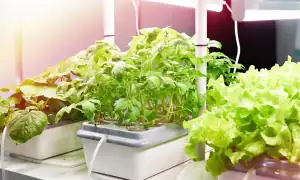
The hydroponic grow system is transforming modern agriculture by offering a sustainable, efficient alternative that uses up to 90% less water than traditional farming methods. Picture rows of leafy greens thriving without soil, their roots suspended in nutrient-rich water solutions. This shift not only promises more sustainable practices but also holds the key to solving critical issues of food security and environmental stress. Dive into this fascinating evolution and discover how hydroponics is reshaping our fields and cities alike, paving the way for a greener, more resilient future.

The Basics of Hydroponic Grow Systems
At its core, a hydroponic grow system is a method of growing plants without soil, relying instead on a nutrient-rich water solution to deliver all the essential elements directly to the roots. This soilless approach eliminates many of the challenges associated with traditional agriculture: weeds, soil-borne diseases, and inconsistent nutrient availability. Instead, growers monitor and adjust parameters like nutrient concentration, pH, temperature, and oxygen levels to create the perfect environment for rapid, healthy plant growth. By centralizing control over these factors, hydroponic techniques can yield faster growth cycles and higher densities of crops in far smaller footprints than conventional farming.
Typical hydroponic setups include a reservoir to hold the nutrient solution, pumps and tubing to circulate it, and a growing medium—such as rockwool, clay pebbles, or coco coir—to support plant roots. Some systems, like deep water culture (DWC), immerse roots directly in oxygenated solution, while others, such as nutrient film technique (NFT), allow a thin film of solution to flow past the roots. Regardless of configuration, all hydroponic grow systems share the same objective: to maximize resource efficiency and plant productivity by delivering precisely what crops need, when they need it. As a result, growers can achieve higher yields per square foot, grow year-round independent of climate, and significantly reduce water usage compared to soil-based agriculture.
Moreover, hydroponic grow systems lend themselves well to automation and scalability. Sensors continuously track environmental conditions, triggering adjustments in pumps, lights, and nutrient dosing when required. This integration of technology not only reduces manual labor but also ensures consistency across multiple growing cycles. For both hobbyists and commercial producers, the ability to fine-tune variables with digital precision marks a major leap forward in sustainable, high-yield cultivation. Ultimately, the basics of hydroponics revolve around three pillars: soilless growth, precise nutrient delivery, and controlled environments—all converging to redefine modern agriculture.
Types of Hydroponic Systems
Hydroponic grow systems come in several distinct configurations, each with unique advantages and design considerations. Generally, these setups can be categorized into passive and active systems: passive types rely on capillary action or wicks to deliver nutrients, while active systems use pumps to circulate the solution. Understanding the differences helps growers select the best option for their space, budget, and crop requirements.
Among the most popular active systems are Deep Water Culture (DWC), Nutrient Film Technique (NFT), and ebb-and-flow (flood-and-drain). DWC maintains plant roots submerged in a highly oxygenated reservoir, promoting rapid uptake of nutrients. NFT channels a thin film of solution over the roots in sloped channels, ensuring continuous flow and air exposure. Ebb-and-flow systems periodically flood a growing tray and then drain it back into the reservoir, simulating natural wet/dry cycles. Meanwhile, drip systems deliver drops of nutrient solution directly at the root zone, which is then recaptured and recirculated.
For more specialized applications, aeroponics suspends roots in air, misting them with nutrient solution at regular intervals, resulting in exceptional oxygen availability. Wick systems, on the other hand, offer a simpler passive approach: a cotton or nylon wick transports solution from the reservoir to the growing medium but can struggle with larger or thirstier plants. Ultimately, the choice of system depends on factors like crop type, available space, technical expertise, and desired level of automation. By matching system characteristics to grower goals, anyone can harness the power of a hydroponic grow system to achieve outstanding, efficient yields.
Nutrients and Solutions in Hydroponic Cultivation
In a hydroponic grow system, the nutrient solution acts as both growth medium and fertilizer, making its formulation and management critical. Unlike soil, which inherently holds and releases nutrients, hydroponics demands precise mixing of macro- and micronutrients—nitrogen, phosphorus, potassium, calcium, magnesium, iron, and trace elements—into water. Growers often opt for commercially prepared nutrient concentrates that simplify dosing and ensure balanced composition, especially during different growth stages.
The key to success is maintaining optimal pH (typically between 5.5 and 6.5) and electrical conductivity (EC) levels, which measure solution acidity and nutrient concentration, respectively. Deviations can lock out essential elements or foster harmful pathogens. Regular testing with reliable meters, followed by adjustments using pH up or down solutions, helps safeguard nutrient availability. Additionally, sourcing high-quality water—free of chlorine, heavy metals, and contaminants—is vital. Some growers prefer reverse osmosis (RO) filtration to start with a clean slate, adding back desired minerals for complete control.
For those seeking more customized approaches, DIY recipes based on calcium nitrate, potassium silicate, and magnesium sulfate allow fine-tuning of nutrient ratios to suit specific crops. However, these require meticulous record-keeping and incremental adjustments to avoid imbalances. Ultimately, the art of nutrient management in hydroponic cultivation involves monitoring solution parameters multiple times per week, refreshing or replacing the reservoir when nutrient levels drift, and adapting formulations as plants transition from vegetative growth to flowering or fruiting. Mastering these practices ensures a continuous supply of balanced nutrients, which translates into vigorous growth and bountiful harvests.
Maintaining Your Hydroponic Garden
Routine maintenance is the backbone of any successful hydroponic grow system, ensuring plants remain healthy and productive over multiple cycles. Daily tasks include checking reservoir levels, topping up nutrient solution, and inspecting pH and EC readings. Minor fluctuations can escalate quickly, so small, frequent adjustments help prevent nutrient deficiencies or toxicities.
Regular cleaning and sterilization of components—tanks, tubing, pumps, and trays—are crucial to deter algae, biofilm, and pathogens. Using food-safe sanitizers or hydrogen peroxide rinses between crop rotations reduces disease risk. Filters and air stones should be replaced or cleaned monthly to maintain oxygen levels and water quality. Fans, lights, and fans also require dusting to optimize airflow and light penetration.
Monitoring plant health goes beyond nutrition and cleanliness; growers should scout for pests, mold, or signs of stress like yellowing leaves or stunted growth. Integrated pest management strategies—sticky traps, beneficial insects, or organic spray treatments—can address problems before they spiral. Additionally, documenting observations and reservoir parameters creates a valuable knowledge base, allowing you to refine your approach with each cycle. By staying proactive and attentive, your hydroponic garden will thrive, delivering consistent yields and reducing downtime between harvests.
The Future of Agriculture: Hydroponics as a Sustainable Solution
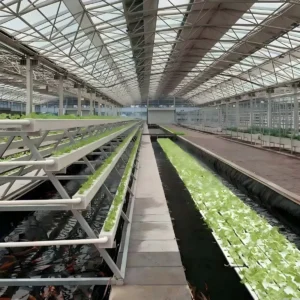
With global populations rising and arable land shrinking, hydroponic grow systems offer a compelling pathway to sustainable food production. Urban farming initiatives are sprouting in repurposed warehouses and rooftops, bringing fresh produce closer to consumers and slashing transportation emissions. Vertical farms, leveraging stacked trays and LED lighting, maximize yield per square foot, turning underutilized spaces into high-output growing hubs.
Water conservation remains one of hydroponics’ most significant environmental benefits. By recirculating nutrient solution, these systems can use up to 90% less water compared to conventional soil-based farming. Moreover, closed-loop configurations minimize runoff and nutrient pollution, protecting surrounding ecosystems. Combined with renewable energy sources—solar, wind, or biogas—hydroponic operations can approach carbon-neutral status, aligning agriculture with climate action goals.
Looking ahead, advancements in automation, artificial intelligence, and the Internet of Things (IoT) are poised to refine hydroponic practices further. Smart sensors, predictive analytics, and robotic handling promise to optimize resource use, reduce labor costs, and deliver real-time insights into plant health. As technology and sustainability converge, hydroponic grow systems will play an increasingly vital role in achieving global food security, nourishing growing cities with minimal environmental footprint and maximum efficiency.
Conclusión
Hydroponic grow systems encapsulate the ingenuity and adaptability of modern agriculture. By eliminating soil dependency and leveraging precise control over nutrients, water, and environment, these systems deliver exceptional yields in compact spaces while conserving vital resources.
As urbanization intensifies and climate challenges mount, hydroponics stands out as a scalable, sustainable solution. Embracing this technology can transform how we cultivate, consume, and think about food, paving the way for a resilient agricultural future.
