





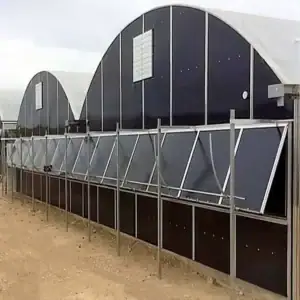
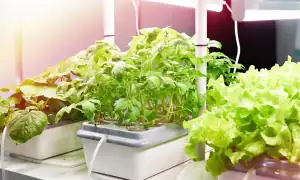
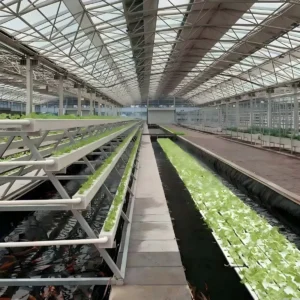

Have you ever marveled at the success of gardeners who manage to produce vibrant, lush harvests no matter the season? It might appear like they possess a bit of gardening magic at their fingertips. However, the secret often lies in an innovative garden structure—the polytunnel greenhouse—that transforms gardening from a seasonal hobby into a year-round passion. This wonder of modern horticulture offers a shield against unpredictable weather and extends your growing season, making it an invaluable asset for any enthusiastic gardener.
Imagine nurturing succulent tomatoes in the heart of winter or enjoying fresh spinach as the spring thaw begins. A polytunnel greenhouse makes this vision a reality, creating a microclimate that defies the external environment. As we dive deeper into this topic, you’ll discover how a simple investment in a polytunnel can revolutionize your gardening experience, offering you a lush, productive oasis even when nature seems determined to lock its bounty away. Prepare to unlock the secrets of thriving vegetable beds and flourishing flower patches throughout the year!

Benefits of Polytunnel Greenhouses
One of the most compelling advantages of incorporating a polytunnel greenhouse into your garden is the significant extension of the growing season. By trapping solar heat and sheltering plants from wind and frost, a polytunnel greenhouse enables gardeners to get seedlings started weeks earlier in spring and prolong harvests well into late autumn or winter. This buffer against temperature fluctuations can mean the difference between sporadic yields and a continuous supply of fresh produce. Plus, the semi-rigid frame and UV-stabilized polythene cover create a robust environment that stands up to heavy rains and snow, giving you greater peace of mind.
Beyond season extension, a polytunnel greenhouse also enhances growing conditions by moderating humidity and reducing water stress on plants. The enclosed space minimizes evaporation, helping to retain soil moisture and lower overall water usage. At the same time, it creates a barrier against many common garden pests such as slugs, snails, and certain insect species—reducing the need for chemical interventions. Whether you’re aiming for record-breaking tomato harvests or cultivating delicate herbs and exotic ornamentals, the controlled environment of a polytunnel greenhouse offers unparalleled versatility and productivity for gardeners of all skill levels.
Setting Up Your Polytunnel: Location and Orientation
Choosing the right site for your polytunnel greenhouse is critical to its performance. Select a level area with good drainage to avoid water-logging and frost pockets. The ground should be free from large stones and debris, which can damage the frame or tear the polythene covering. If possible, position the polytunnel on a slight north–south axis so that the long sides face east and west, maximizing exposure to low-angle winter sunlight and reducing the risk of shade from nearby structures or trees. A well-prepared base, whether concrete footings or treated timber sleepers, will ensure stability and longevity.
Wind protection is another key consideration. Strong gusts can stress the frame and cause flapping of the plastic, which leads to wear or structural damage. Planting hedges or installing windbreak fences on the exposed sides can mitigate this risk. Access to water and electricity should also be factored into your site choice, as irrigation systems and supplemental lighting or heating often require utility connections. By planning meticulously before installation, you’ll set the stage for a successful, low-maintenance growing environment within your polytunnel greenhouse.
Climate Control Inside Your Polytunnel
Effective temperature and humidity management inside a polytunnel greenhouse are essential for healthy plant growth. Automatic vent openers, which respond to temperature changes by expanding or contracting, can help maintain optimal ventilation without manual intervention. Pair these with manually operated side vents or roll-up doors to increase airflow on particularly warm days, preventing overheating and reducing fungal disease pressure. Shade cloths or thermal screens can be deployed during intense summer sun to protect tender crops and avoid heat stress.
In cooler months, a small electric or gas heater can maintain the minimum night temperatures needed for frost-sensitive plants. For eco-conscious gardeners, a passive solar heater—such as water barrels painted black to absorb sunlight—can release warmth after sunset, moderating nocturnal temperature dips. Monitoring tools like soil thermometers, hygrometers, and simple electronic data loggers will give you real-time insights into your microclimate, allowing you to fine-tune ventilation, heating, and shading to create the most favorable conditions for a diverse range of crops in your polytunnel greenhouse.
Pests and Diseases Management in Polytunnels
Although a polytunnel greenhouse provides a barrier against many outdoor pests, the enclosed environment can become a breeding ground for certain insects, mites, and fungal pathogens if left unchecked. The key to effective pest and disease management is prevention through good hygiene, crop rotation, and early detection. Always sanitize tools and containers before use, remove dead leaves and plant debris promptly, and avoid overcrowding to improve air circulation.
Introduce beneficial insects such as ladybirds, predatory mites, or parasitic wasps to keep aphid and whitefly populations in check. For fungal issues like powdery mildew or botrytis, apply targeted organic treatments—such as neem oil or bicarbonate sprays—at the first sign of infection. Rotate crop families yearly to disrupt pest life cycles, and consider integrating companion plants (e.g., marigolds or basil) known to repel specific pests. By combining biological controls with sound cultural practices, you can maintain a healthy, productive polytunnel greenhouse ecosystem.
Harvesting and Maintaining Your Polytunnel Garden
Regular maintenance is vital to ensure consistent yields from your polytunnel greenhouse. Begin each day with a quick inspection: check soil moisture levels, pinch off yellowing leaves, and look for early signs of pests or disease. Implement a drip irrigation system to deliver water directly to the root zone, minimizing foliage wetness and deterring fungal growth. Fertilize crops periodically with balanced organic feeds, adjusting nutrient regimes according to plant stages—high nitrogen for leafy greens and more potassium and phosphorus for fruiting vegetables.
Harvesting at the right maturity stage not only optimizes flavor and nutritional value but also stimulates continuous production in many plants. Pick tomatoes when they’re fully colored, remove outer leaves of lettuce to encourage new growth, and snip beans before pods become tough. At the end of each season, clear out spent plants, disinfect the polythene cover and structure where practical, and rotate beds to break pest cycles. With diligent care and timely interventions, your polytunnel greenhouse will reward you with abundant crops year after year.
Conclusion: Embracing Year-Round Gardening with a Polytunnel
Investing in a polytunnel greenhouse unlocks the door to continuous harvests, greater crop diversity, and enhanced plant health, all while protecting your efforts from nature’s whims. By extending the growing season and creating a stable microclimate, this versatile structure empowers both novice and experienced gardeners to achieve reliable yields throughout the year.
From thoughtful siting and orientation to smart climate control and integrated pest management, each step in establishing and maintaining your polytunnel greenhouse contributes to a thriving garden. Embrace this innovative approach and transform your outdoor space into a year-round growing paradise, where fresh produce and vibrant flowers are never out of season.
