






In today’s rapidly urbanizing world, space has become an increasingly precious commodity. As urban centers continue to expand, more people are gravitating towards city living, leading to smaller living spaces and a need for innovative solutions to maintain a connection with nature. Consequently, the demand for creative gardening solutions has surged. Enter hydroponic vertical gardens—an ingenious way to grow plants upwards rather than outwards, allowing city dwellers to cultivate greenery even in the tightest of spaces. This article will explore various designs and ideas to help you create your own vertical oasis, transforming limited urban spaces into thriving gardens.
A hydroponic vertical garden is a method of growing plants without the use of traditional soil. Instead, plants are cultivated in a nutrient-rich water solution that provides all the essential nutrients needed for growth. This innovative system allows for efficient use of space and resources, making it an ideal solution for urban areas where land is scarce. By eliminating the need for soil, hydroponic systems reduce the weight and mess associated with traditional gardening, making them particularly suitable for indoor environments.

The concept of hydroponics is not new, but its application in vertical gardening offers a modern twist that caters to the needs of urban dwellers. By using vertical surfaces and structures, these gardens maximize the use of available space, allowing for a greater number of plants to be grown in smaller areas. This approach not only enhances the aesthetic appeal of urban spaces but also contributes to environmental sustainability by promoting local food production and reducing the carbon footprint associated with transporting produce from rural farms to city markets.
Benefits of Hydroponic Vertical Gardens
Before diving into specific designs, let’s discuss the numerous benefits of hydroponic vertical gardens:
- Space Efficiency: Vertical gardens capitalize on vertical space, enabling you to grow a larger number of plants in a smaller area compared to traditional horizontal gardening. This is particularly advantageous in urban settings where floor space is limited, allowing for the integration of greenery into balconies, rooftops, and even interior walls.
- Water Conservation: Hydroponic systems are known for their water-saving capabilities, using up to 90% less water than conventional gardening methods. The closed-loop systems recycle water, minimizing waste and making them an environmentally friendly choice, especially in areas prone to drought or water restrictions.
- Faster Growth: Plants in hydroponic systems often experience faster growth rates due to direct access to nutrients. Without the need for roots to search through soil for sustenance, plants can focus their energy on growth and development, resulting in more bountiful harvests in a shorter time frame.
- Pest and Disease Control: The reduction of soil contact minimizes the risk of soil-borne diseases and pests, which are common in traditional gardening. This makes hydroponic vertical gardens a cleaner and potentially less labor-intensive alternative, reducing the need for pesticides and other chemical interventions.
Vertical Grow Wall Design
 A vertical grow wall is a fantastic way to incorporate greenery into your home or office. These walls can be installed both indoors and outdoors, offering flexibility in design and location. They can vary in size from small, decorative features to extensive installations covering entire walls. Here are some design ideas to inspire your own vertical garden project:
Living Walls
Living walls, also known as green walls, are structures covered with a variety of plants. They typically employ a hydroponic system to deliver nutrients directly to the plants’ roots, ensuring consistent and optimal nourishment. These walls can be tailored to fit your aesthetic preferences, featuring a diverse mix of flowers, herbs, or leafy greens. The visual impact of a living wall can transform any space into a vibrant and inviting environment, enhancing both the physical and mental well-being of inhabitants.
Beyond their aesthetic appeal, living walls can also improve indoor air quality by filtering pollutants and releasing oxygen. They offer a natural solution for temperature regulation, providing insulation and reducing energy costs. The soothing presence of greenery has been shown to reduce stress and increase productivity, making living walls an excellent addition to workplaces and homes alike.
Modular Systems
Modular systems consist of individual units that can be easily rearranged or expanded, offering a customizable solution to suit your specific needs. These systems provide flexibility, allowing you to adapt your garden’s shape and size as your requirements change. Whether you want to start small and gradually expand or create a dynamic display that evolves, modular systems make it easy to achieve your vision.
The adaptability of modular systems makes them ideal for renters or those who anticipate moving, as they can be disassembled and reassembled in a new location. Additionally, they allow for experimentation with different plant types and arrangements, enabling gardeners to discover what works best in their unique environment. With modular systems, the possibilities are virtually limitless, empowering you to create a personalized and evolving vertical garden experience.
Hydroponic Tower Design
A hydroponic tower is a vertical structure that grows plants in stacked layers, maximizing yield in a small footprint. This design is perfect for those looking to cultivate a significant amount of produce in a limited space, making it a popular choice for urban gardeners and small-scale food producers.
Tower Garden
Tower gardens utilize aeroponic technology to grow plants efficiently. In this system, nutrient-laden water is pumped to the top of the tower and trickles down, nourishing each plant along the way. This method is energy-efficient, requiring minimal water and reducing the need for extensive maintenance. The vertical arrangement ensures that each plant receives adequate light exposure, promoting healthy growth.
The compact design of tower gardens makes them suitable for a variety of settings, from balconies to rooftops, and even indoors with the addition of grow lights. They offer a convenient and accessible way to grow fresh produce, enabling individuals to enjoy homegrown fruits and vegetables regardless of their living situation. Tower gardens are particularly appealing to busy urbanites, as they require little intervention and yield impressive results.
Spiral Towers
Spiral towers offer a visually appealing design that maximizes space and enhances light exposure for each plant. In this arrangement, plants are positioned in a spiral pattern around a central column, allowing them to receive optimal light from multiple angles. This unique configuration not only adds an artistic element to your garden but also enhances the overall health and productivity of the plants.
The spiral design facilitates ease of access, making it simple to tend to plants for pruning, harvesting, and maintenance. It also allows for creative planting arrangements, enabling gardeners to experiment with color, texture, and plant variety. Spiral towers are an excellent choice for those looking to make a statement with their garden, combining functionality with aesthetic appeal.
Vertical NFT System Design
The Nutrient Film Technique (NFT) is a popular hydroponic method where a thin film of nutrient-rich water circulates continuously over plant roots. This design is particularly effective for growing leafy greens and herbs, offering a simple yet efficient solution for urban gardening.
Channel Systems
Channel systems are straightforward yet highly effective. In this setup, plants are placed in channels with a slight slope, allowing the nutrient solution to flow over the roots continuously. The constant movement of the solution ensures that plants receive a steady supply of nutrients and oxygen, promoting vigorous growth and robust yields.
This design is easy to set up and maintain, making it a favorite among beginners and experienced gardeners alike. The simplicity of channel systems allows for quick installation and minimal maintenance, enabling gardeners to focus on nurturing their plants. With channel systems, the ability to grow fresh, nutritious greens and herbs is within reach, even for those with limited gardening experience.
Vertical Farming Systems
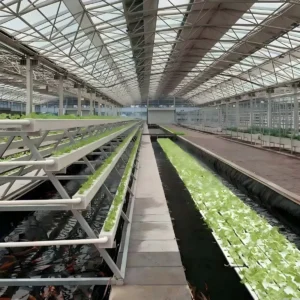
Vertical farming systems are more than just a garden—they’re a method of sustainable agriculture that can produce significant amounts of food in urban environments. By utilizing vertical space, these systems offer a viable solution for urban food production, reducing the need for large plots of land and minimizing the environmental impact of traditional farming practices.
Stacked Hydroponic Garden Design
Stacked gardens are a space-saving solution where multiple layers of plants are grown vertically. Each layer is equipped with its own lighting and irrigation system, ensuring that plants receive the necessary resources for growth. This design is perfect for urban environments where space is limited, allowing for the cultivation of a diverse range of crops in a compact area.
Stacked hydroponic gardens offer the potential for year-round food production, providing a consistent supply of fresh produce regardless of external weather conditions. They are particularly well-suited for urban areas with fluctuating climates, as the controlled environment within the system allows for optimal growing conditions. With the ability to produce food sustainably and efficiently, stacked gardens represent a forward-thinking approach to urban agriculture.
Compact Vertical Hydroponic Design
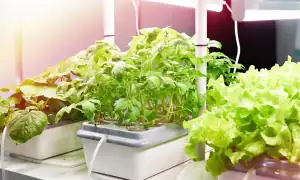
Compact designs are ideal for small apartments or homes, providing a convenient way to incorporate gardening into tight living spaces. These systems are typically self-contained and can be placed on balconies, patios, or even indoors, offering flexibility in terms of location. They are designed to be user-friendly, often requiring minimal setup and maintenance, making them accessible to individuals of all gardening skill levels.
The compact nature of these systems makes them perfect for city dwellers who desire the benefits of gardening without the commitment of a larger setup. They can be easily integrated into existing living spaces, adding a touch of greenery and a source of fresh produce. Whether you’re looking to grow herbs, vegetables, or ornamental plants, compact vertical hydroponic designs provide an efficient and sustainable solution.
Vertical Hydroponic System Design
When designing your vertical hydroponic system, consider the following critical components to ensure a thriving garden:
- Lighting: Adequate light is crucial for plant growth. LED grow lights are an energy-efficient option that can be tailored to provide the right spectrum for your plants. Depending on your setup, you may need to supplement natural light with artificial lighting to ensure consistent growth and productivity.
- Irrigation: An efficient irrigation system ensures that plants receive the right amount of nutrients and water. Drip systems or wicking setups are common in vertical gardens, offering precise control over the delivery of nutrients to each plant. Proper irrigation is essential for maintaining plant health and maximizing yields.
- Structure: The framework of your garden should be sturdy yet flexible enough to accommodate plant growth. Materials like PVC pipes, metal, or recycled materials can be used to construct a durable and adaptable structure. Consider the weight of your plants and the overall design to ensure stability and longevity.
Hydroponic Planter Design

Planters are the vessels that hold your plants and nutrient solution, and their design plays a crucial role in the success of your hydroponic garden. When designing your planter, consider the following elements:
Material
Choose materials that are durable and non-toxic to ensure the safety and longevity of your garden. Options include food-grade plastic, ceramic, or stainless steel, each offering unique benefits. Food-grade plastic is lightweight and versatile, while ceramic and stainless steel provide durability and an aesthetic appeal.
The choice of material can also affect the overall look and feel of your garden, allowing you to match the design with your personal style and the surrounding environment. By selecting high-quality materials, you can create a planter that not only supports healthy plant growth but also enhances the visual appeal of your space.
Size
The size of your planter will depend on the type of plants you wish to grow and the available space in your garden. Ensure that there’s enough room for root growth and that the planter can support the weight of the plant, especially as it matures. Consider the growth habits of your chosen plants to determine the appropriate depth and width of your planter.
Adequate planter size is crucial for maintaining plant health, as cramped conditions can lead to rootbound plants and stunted growth. By providing sufficient space for your plants to thrive, you can enjoy bountiful harvests and a thriving garden.
Drainage
Proper drainage is crucial to prevent waterlogging and ensure the health of your plants. Ensure your design includes drainage holes or a system to recycle excess nutrient solution, preventing the buildup of stagnant water. Effective drainage promotes oxygen exchange and prevents root rot, a common issue in poorly designed systems.
Incorporating a drainage system also allows for the reuse of nutrient solutions, enhancing the sustainability of your garden. By carefully considering drainage in your planter design, you can create an environment that supports healthy plant growth and efficient resource use.
Vertical Garden Layout Hydroponics
When planning your garden layout, consider the following tips to optimize your hydroponic system for both aesthetics and productivity:
- Plant Selection: Choose plants that thrive in similar conditions to ensure compatibility and ease of maintenance. Leafy greens, herbs, and strawberries are popular choices for hydroponic gardens due to their adaptability and quick growth. Consider the light and nutrient requirements of each plant to create a harmonious and thriving garden.
- Spacing: Ensure adequate space between plants to allow for growth and light exposure. Proper spacing prevents overcrowding and promotes healthy development, reducing the risk of disease and competition for resources. By planning your layout carefully, you can maximize the potential of your vertical garden.
- Maintenance: Design your layout for easy access to plants for pruning, harvesting, and system maintenance. Consider the height and arrangement of your plants to ensure that each one can be reached without difficulty. A well-organized layout facilitates regular care and monitoring, contributing to the overall success of your garden.
Vertical Garden Ideas

Indoor Oasis
Transform a section of your home into an indoor oasis with a vertical garden. Use a combination of flowering plants and lush greenery to create a serene environment that promotes relaxation and well-being. The presence of plants can enhance air quality and provide a calming atmosphere, making your home a sanctuary from the hustle and bustle of city life.
Incorporating an indoor oasis can also serve as a focal point for interior design, adding texture and color to your living space. By carefully selecting plants that thrive indoors, you can create a vibrant and low-maintenance garden that complements your home’s aesthetic and enhances your quality of life.
Kitchen Herb Garden
A vertical garden in your kitchen can provide fresh herbs year-round, elevating your culinary creations with homegrown flavor. Install a small system near a sunny window for easy access while cooking, ensuring that your favorite herbs are always within reach. The convenience of a kitchen herb garden encourages experimentation with fresh ingredients, enhancing your meals with the taste of homegrown produce.
Beyond their culinary benefits, kitchen herb gardens add a touch of greenery to your cooking space, creating a lively and inviting atmosphere. The scent of fresh herbs can stimulate the senses and inspire creativity in the kitchen, making meal preparation a more enjoyable and rewarding experience.
Urban Jungle
Turn your balcony or patio into an urban jungle with a mix of climbing plants, succulents, and ferns. Use hanging planters and wall-mounted systems to maximize space, creating a lush and verdant retreat in the heart of the city. The diversity of plant species adds visual interest and texture, transforming your outdoor area into a green oasis.
An urban jungle can serve as a private escape from the urban landscape, offering a peaceful retreat for relaxation and reflection. The presence of plants can also attract beneficial wildlife, such as pollinators and birds, contributing to the ecological health of your surroundings. By embracing the concept of an urban jungle, you can create a dynamic and thriving garden that enhances your connection with nature.
Conclusión
Hydroponic vertical gardens are a revolutionary way to bring nature into urban spaces. By choosing the right design and layout, you can create a productive and beautiful garden that enhances your living space. Whether you’re a seasoned gardener or a beginner, these innovative ideas can help you get started on your vertical gardening journey. Embrace the potential of hydroponic vertical gardens to transform your environment, improve your quality of life, and contribute to a more sustainable and green future.
