





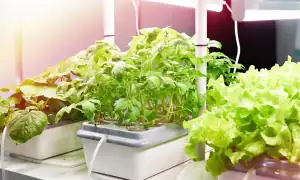
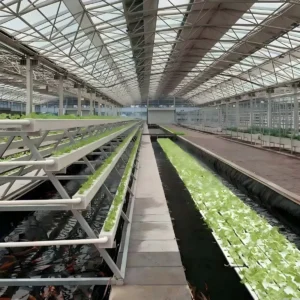

Hydroponics is a method of growing plants without soil, using mineral nutrient solutions in a water solvent. This innovative approach to agriculture offers numerous advantages, including faster plant growth, space efficiency, and reduced resource usage. For both beginners and seasoned gardeners, understanding the layout and components of various hydroponic systems is crucial. In this guide, we will break down the essentials of hydroponics through comprehensive diagrams to help you design and optimize your own system.
 Before diving into specific systems, it’s important to grasp the basic components common to most hydroponic setups:
- Reservoir: Holds the nutrient solution.
- Grow Tray or Bed: Supports the plants.
- Pump System: Circulates the nutrient solution.
- Air Pump and Air Stone: Provides oxygen to the roots.
- Tubing: Connects components and allows nutrient flow.
- Lighting: Supplies the necessary light for photosynthesis.
Understanding these components will set the foundation for exploring various hydroponic designs.
Deep Water Culture (DWC) Schematic
 Deep Water Culture (DWC) is one of the simplest and most popular hydroponic systems. In a DWC setup, plant roots are submerged in a nutrient-rich water solution. An air pump and air stone provide oxygen to the roots, preventing them from drowning.
Key Features:
- Constant Nutrient Supply: Roots have constant access to nutrients and oxygen.
- Efficient Growth: Ideal for fast-growing plants like lettuce and herbs.
- Low Maintenance: Simple design with minimal moving parts.
The DWC system is perfect for beginners due to its simplicity and effectiveness.
Nutrient Film Technique (NFT) Diagram
The Nutrient Film Technique (NFT) involves a thin film of nutrient solution flowing over the roots of plants in a slightly inclined channel. This method is known for its efficient use of water and nutrients.
Key Features:
- Continuous Flow: Ensures a steady supply of nutrients and oxygen.
- Space-Efficient: Suitable for vertical setups and limited spaces.
- Scalability: Easily expandable for larger operations.
NFT systems are favored in commercial operations due to their efficiency and scalability.
Ebb and Flow System Diagram

The Ebb and Flow, or Flood and Drain system, periodically floods the grow bed with nutrient solution and then drains it back into the reservoir. This cycle provides roots with nutrients and oxygen in intervals.
Key Features:
- Cycle-Based: Mimics natural wet-dry cycles, encouraging robust root growth.
- Versatile: Suitable for a wide range of plants.
- Customizable: Easily adjustable flood and drain cycles.
The Ebb and Flow system is versatile and can be customized to suit various plant needs.
Aeroponics System Diagram
Aeroponics is a cutting-edge hydroponic technique where plant roots are suspended in air and misted with a nutrient solution. This method maximizes oxygen exposure and nutrient absorption.
Key Features:
- Maximized Oxygen: Roots receive ample oxygen, promoting rapid growth.
- Minimal Water Usage: Highly efficient in water and nutrient use.
- Advanced Setup: Requires precise timing and control.
While highly effective, aeroponics systems can be complex and are better suited for experienced growers.
Hydroponic Grow Bed Design
A well-designed grow bed is essential for plant support and nutrient delivery. Materials like plastic, metal, or wood can be used, with considerations for size and drainage.
Key Features:
- Supportive Structure: Ensures plants remain stable.
- Efficient Drainage: Prevents waterlogging and root rot.
- Customizable Size: Tailored to fit the available space.
Selecting the right grow bed design is crucial for optimizing plant growth and system efficiency.
Hydroponic Pump System Design
The pump system is the heart of any hydroponic setup, responsible for nutrient circulation. Choosing the right pump involves considering flow rate, head height, and energy efficiency.
Key Features:
- Reliable Circulation: Ensures consistent nutrient delivery.
- Energy Efficiency: Minimizes operating costs.
- Durability: Withstands continuous use.
A well-designed pump system is vital for maintaining a healthy hydroponic environment.
Hydroponic Tubing Layout
The tubing layout connects all components, facilitating nutrient flow. Proper layout ensures uniform distribution and prevents blockages.
Key Features:
- Efficient Flow: Minimizes resistance and ensures even distribution.
- Durable Materials: Resists wear and tear.
- Easy Maintenance: Accessible for cleaning and adjustments.
Careful planning of the tubing layout enhances the overall performance of your hydroponic system.
Conclusión
Hydroponics offers a sustainable and efficient alternative to traditional agriculture. By understanding the components and designs of various systems, you can customize a setup that meets your needs and maximizes plant growth. Whether you’re interested in a simple DWC system or a more advanced aeroponics setup, the right diagrams and designs will guide your journey into the world of soilless cultivation.
Hydroponics is not just a method of growing plants; it’s a pathway to innovation and sustainability in agriculture. With the knowledge and insights provided in this guide, you’re now equipped to embark on your hydroponic adventure. Happy growing!
