




Imagine a world where fields of crops no longer rely on vast stretches of land or the whimsy of unpredictable weather patterns. Instead, they flourish in vertical stacks inside sleek urban buildings and homes, thriving without a single ounce of soil. This is not a scene from science fiction but a reality unfolding right before our eyes through the innovative rise of hydroponic agriculture. As our global population continues to soar, the need for more efficient and sustainable farming practices becomes increasingly urgent. Hydroponic agriculture is stepping up to the challenge, offering a transformative solution that promises to revolutionize the way we think about growing food.
In recent years, traditional farming methods have faced significant hurdles, from climate change to diminishing arable land, posing a threat to food security worldwide. Enter hydroponic agriculture: a method that allows plants to grow in nutrient-rich water solutions, cutting out the need for soil, and significantly reducing water usage compared to conventional farming. Not only does this technique optimize space by enabling vertical farming, but it also speeds up growth cycles, allowing for year-round production regardless of external conditions. As this revolution gains momentum, it’s clear that hydroponic agriculture could be the key to meeting the nutritional needs of future generations, right in the heart of our urban landscapes.

Types of Hydroponic Systems
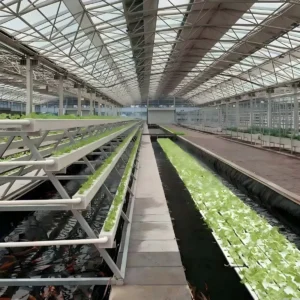
Hydroponic agriculture encompasses a variety of system designs, each tailored to different crops, space constraints, and budget considerations. One of the most popular is the Nutrient Film Technique (NFT), where a thin layer of nutrient solution continuously flows past the roots housed in channels. This setup is prized for its simplicity and efficiency, supporting a steady supply of oxygen to the roots and facilitating rapid growth cycles.
Deep Water Culture (DWC) is another widely adopted model. Plants are suspended in net pots above an oxygenated nutrient reservoir, allowing their roots to dangle directly in the solution. This method often yields robust growth due to the constant nutrient availability. Drip systems deliver nutrients to the root zone via drippers at timed intervals, making them ideal for larger crops and commercial operations. Ebb and Flow (flood and drain) systems periodically flood the grow tray with nutrient solution before draining back into the reservoir, balancing moisture and oxygen levels. Aeroponics, the most high-tech of the lot, mists roots with a fine nutrient spray within an enclosed chamber, promoting maximum air exposure and faster growth. Each type of hydroponic system offers unique advantages and trade-offs in terms of setup complexity, cost, and maintenance, allowing growers to select the best fit for their specific needs.
Essential Equipment for Hydroponic Farming
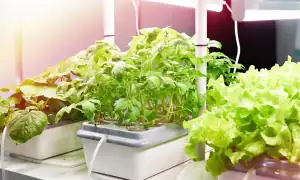
At the heart of any successful hydroponic agriculture setup lies a reliable water reservoir and pump system. The reservoir holds the nutrient-enriched water solution, while submersible or external pumps circulate that solution through the grow channels or trays. Timers and controllers automate the feeding cycles, ensuring plants receive consistent nourishment without manual intervention. Proper lighting is equally critical, especially for indoor and urban installations. High-efficiency LED grow lights tailored to the spectrum requirements of specific crops help promote photosynthesis and vigorous growth.
Maintaining optimal water quality is a non-negotiable aspect of hydroponic agriculture. Instruments such as pH meters and electrical conductivity (EC) meters allow growers to monitor and adjust nutrient concentration and acidity levels, preventing deficiencies or toxicities. Growing mediums—rockwool, coco coir, perlite, or clay pellets—provide root support and help retain moisture, despite the absence of soil. Air pumps and stones oxygenate the nutrient solution, feeding roots the vital oxygen they need. Additionally, sturdy containers, tubing, fittings, and filtration units round out the essentials, ensuring the system runs smoothly and remains free of pathogens. Investing in quality equipment upfront sets the stage for a productive, low-maintenance hydroponic farm capable of delivering high yields with minimal resource waste.
Maximizing Space with Vertical Farming Techniques
One of the most compelling advantages of hydroponic agriculture is its ability to turn limited square footage into a highly productive farm. Vertical farming harnesses this benefit by stacking plant beds or towers in multi-tiered systems, dramatically boosting yield per square meter. In urban environments—rooftops, unused warehouses, or even spare rooms—vertical hydroponic towers or racks can be installed to grow leafy greens, herbs, strawberries, and vine crops simultaneously.
Modular vertical systems use shelves or frames that hold shallow trays, each fitted with grow channels or net pots. These modules can be scaled up or down to match available space, and they often integrate drip or NFT systems for efficient nutrient delivery. Tower gardens employ rotating or stationary columns where plants grow on the exterior, their roots reaching inward to access the circulating nutrient mist or solution. This design maximizes light exposure and airflow, accelerating growth and reducing disease risk. By stacking levels and using overhead LED arrays, growers can cultivate dozens of plant varieties in the footprint of a small room. Vertical hydroponic agriculture not only maximizes space but also simplifies workflow—harvesting, pruning, and monitoring can all be done at eye level, reducing labor and improving ergonomics. As a result, growers can produce more food in urban centers, bringing fresh produce closer to consumers and slashing transportation-related carbon emissions.
Sustainability and Environmental Impact of Hydroponic Agriculture
Hydroponic agriculture delivers substantial environmental benefits compared to conventional soil-based farming. By recycling nutrient solutions in closed-loop systems, it slashes water consumption by up to 90%, a critical advantage in regions facing water scarcity. The precise control over nutrient delivery virtually eliminates runoff, preventing the contamination of waterways with excess fertilizers and pesticides. Additionally, the soil-free nature of this approach eradicates the need for tillage, preserving soil health and reducing greenhouse gas emissions associated with plowing.
Moreover, hydroponic farms can be established near or within urban areas, drastically cutting the “food miles” involved in transporting produce from rural fields to city centers. This localized production model reduces fossil fuel dependency and greenhouse gas output from long-haul shipping. Controlled-environment agriculture also lessens pest pressures, meaning fewer or no chemical pesticides are required, promoting cleaner outputs and healthier ecosystems. While energy usage—particularly for lighting and climate control—can be significant, advances in LED technology and renewable energy integration are steadily reducing the carbon footprint of indoor hydroponic operations. Overall, the environmental impact of hydroponic agriculture is overwhelmingly positive, offering a sustainable pathway to feeding a growing global population with minimal resource depletion.
Conclusion: The Promising Future of Hydroponic Agriculture
Hydroponic agriculture is redefining the boundaries of modern farming, delivering greater yields, resource efficiency, and environmental stewardship. By combining innovative systems, essential equipment, and vertical farming strategies, growers can cultivate abundant, nutritious crops in spaces once deemed unsuitable for agriculture.
As technology advances and consumers increasingly demand locally grown, pesticide-free produce, the stage is set for hydroponic farming to expand its reach. This transformative approach holds immense promise for ensuring food security, bolstering urban resilience, and fostering sustainable development worldwide.
