




Imagine a world where you could cultivate fresh, vibrant produce without ever having to worry about soil conditions, unpredictable weather, or resource scarcity. Welcome to the realm of recirculating hydroponics systems, where innovation and agriculture intersect to create a sustainable green revolution. By optimizing nutrient delivery and water usage, this cutting-edge technique provides an efficient and consistent way to grow plants. The mere idea of controlling plant growth with precision and ensuring minimal waste is not just exciting; it’s transformative.
If you’re passionate about gardening or are looking to maximize yield with minimal environmental impact, delving into the world of recirculating hydroponics systems might be your next great adventure. These systems offer a sophisticated approach that marries technology with nature, fostering an environment where crops can flourish regardless of external conditions. Whether you’re a seasoned plant enthusiast or a curious newbie, this blog will uncover how mastering these systems can unlock unprecedented growth potential right at your fingertips.

Understanding Recirculating Hydroponics Systems
Recirculating hydroponics systems represent a leap forward in soilless cultivation, offering highly efficient water and nutrient use. At their core, these systems continuously cycle nutrient-rich water from a reservoir through plant roots, then back again, reducing waste and ensuring plants receive consistent nutrition. Unlike traditional hydroponic methods that may discard excess solution, a recirculating setup reuses the same solution, making it both cost-effective and eco-friendly. This closed-loop design is particularly valuable in regions facing water scarcity or where sustainable practices are required.
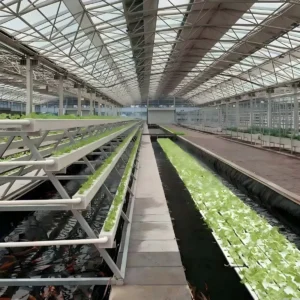
These systems can take various forms—nutrient film technique (NFT), ebb and flow, and deep-water culture (DWC)—yet all share the principle of recirculation. In an NFT system, a thin film of nutrient solution flows over root surfaces; ebb and flow setups periodically flood and drain trays; DWC suspends roots in a highly oxygenated reservoir. Each configuration offers unique advantages depending on crop type, space constraints, and resource availability. What unites them is the central tenet of recirculating hydroponics systems: to maximize yield, conserve resources, and maintain plant health through precise environmental control.
Essential Components for Setting Up a Recirculating Hydroponics System
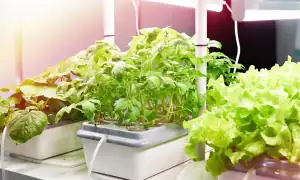
Establishing an efficient recirculating hydroponics system requires several key components working in harmony. A durable reservoir holds the nutrient solution, while a reliable pump drives circulation. Tubing links the reservoir to grow trays or channels, ensuring nutrient delivery to plant roots. Equally important are the grow media—such as rock wool, clay pellets, or coco coir—that support plant stability and root aeration.
A timer or automation controller orchestrates nutrient flow cycles, preventing periods of drought or over-saturation. Additionally, aeration devices like air stones or diffusers introduce oxygen into the reservoir, supporting healthy root respiration. Lighting, whether LED or high-pressure sodium (HPS), simulates ideal daylight conditions, driving photosynthesis. Together, these elements form the backbone of recirculating hydroponics systems, each playing a crucial role in fostering sustainable and productive plant growth.
Maintaining Nutrient Levels in Recirculating Hydroponics Systems
Consistent nutrient balance is the lifeblood of recirculating hydroponics systems. Regular monitoring of electrical conductivity (EC) and pH values is essential for optimal nutrient uptake. EC indicates the concentration of dissolved salts in the solution—too high can cause nutrient burn, while too low leads to deficiencies. pH influences nutrient availability; most vegetables thrive in a slightly acidic range of 5.5 to 6.5.
Adjusting nutrient strength involves measuring solution volume, nutrient concentrate, and water additions. When EC drifts outside target ranges, growers top up with water or nutrient stock to recalibrate. Similarly, pH adjustments use food-grade acids or bases in small increments, followed by thorough mixing and re-testing. A practical tip for maintaining system stability is to replace the entire nutrient solution every one to two weeks, preventing the buildup of unwanted ions and pathogens. Through diligent measurement, adjustment, and routine reservoir changes, you ensure your recirculating hydroponics system continues to deliver vibrant and healthy crops.
Managing Water Quality in Recirculating Hydroponics
Water quality profoundly affects the performance of recirculating hydroponics systems. Starting with clean, potable water—or better yet, filtered or reverse-osmosis treated—minimizes impurities and contaminants that can upset nutrient balance or foster pathogens. Hard water, high in calcium and magnesium, may require softening or dilution to prevent mineral buildup in tubing and trays.
Temperature control also plays a pivotal role. Water that is too warm can encourage harmful microbial growth and reduce dissolved oxygen levels, stressing plant roots. Aim for a reservoir temperature of 65–68°F (18–20°C) to strike the right balance between oxygen solubility and nutrient uptake. Installing chillers or aquarium cooling fans can help regulate temperature in hot climates. Additionally, incorporating UV sterilizers or ozone treatment can keep pathogens at bay, protecting plants from root diseases. By prioritizing water purity and stability, you reinforce the resilience and reliability of your recirculating hydroponics system for maximum crop performance.
Conclusion: Embracing the Future of Agriculture with Recirculating Hydroponics
Recirculating hydroponics systems represent more than a trend—they are the vanguard of sustainable food production. By optimizing nutrient delivery, conserving water, and minimizing waste, these systems offer a blueprint for agriculture that meets the demands of a growing population and a changing climate.
As you explore and refine your own recirculating hydroponics setup, you join a community of innovators dedicated to reshaping how we grow food. The future is green, efficient, and within reach—unlock its potential today.
