



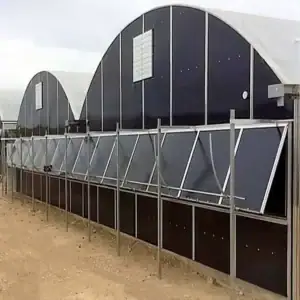

Imagine walking into a space where the sunlight dances across rows of vibrant, thriving plants, casting intricate patterns on the ground. This isn’t just any garden; it’s a commercial glass greenhouse, a marvel of design that maximizes both beauty and functionality. With walls that blur the line between indoors and outdoors, these structures offer a unique growing environment, harnessing natural light and creating an optimal habitat for plants. Whether you’re cultivating exotic orchids or seasonal vegetables, the right greenhouse design can transform your growing potential and business success.
In our fast-evolving world, demands for sustainable and efficient growing methods are higher than ever. Enter the realm of commercial glass greenhouses—structures that not only meet these demands but also push the boundaries of what’s possible in agriculture. As you explore the intricacies of designing these greenhouses, you’ll discover how they can be tailored to your specific needs, ensuring a flourishing harvest with every season. Ready to elevate your cultivation game? Let’s dive into the transformative world of greenhouse architecture.

Benefits of Commercial Glass Greenhouses
When it comes to large-scale horticulture, a commercial glass greenhouse delivers unparalleled advantages over traditional growing methods. One of the most compelling benefits is the exceptional light transmission provided by high-quality glass panels. Unlike polycarbonate or plastic alternatives, glass maintains clarity over time, allowing maximum sunlight to reach plants. This consistent light exposure accelerates photosynthesis, boosts plant vigor, and often results in higher yields. For growers aiming to maximize both quality and quantity, investing in a glass structure can translate directly to improved crop performance and long-term profitability.
Beyond light efficiency, commercial glass greenhouses offer superior thermal performance. Paired with strategic ventilation and shading systems, these greenhouses maintain stable interior climates, reducing the impact of external temperature fluctuations. The inert nature of glass also means it won’t degrade under UV exposure, ensuring that structural integrity and visual appeal remain intact for years. Moreover, the transparency of glass enables easy visual monitoring of plant health, making early detection of pests or diseases more straightforward. Combined with robust durability, a well-designed glass greenhouse becomes a sustainable long-term asset, safeguarding your investment and supporting consistent, high-quality production.
Selecting the Ideal Location for Your Glass Greenhouse
Choosing the perfect site for a commercial glass greenhouse involves balancing sunlight exposure, accessibility, and environmental considerations. Optimal placement usually means a south-facing orientation in the Northern Hemisphere, ensuring maximum daily light absorption. However, local microclimates can influence this decision; nearby buildings, trees, or topography may cast shadows that diminish sunlight during critical growth periods. Conducting a thorough site analysis, including sun path tracking and seasonal weather data review, helps pinpoint the most advantageous location.
Accessibility and logistics also play a critical role in site selection. A location near reliable water sources simplifies irrigation infrastructure and reduces operational costs. Easy access roads facilitate the transport of seedlings, equipment, and finished produce. Furthermore, proximity to power lines and utilities can lower installation expenses for climate control systems and automation. Environmental regulations and zoning laws must be vetted early in the planning phase. Ensuring compliance with local building codes and obtaining necessary permits not only prevents legal setbacks but also positions your commercial glass greenhouse for smooth, uninterrupted operation.
Climate Control Systems in Glass Greenhouses
Maintaining an ideal interior environment is essential for a thriving commercial glass greenhouse. Automated climate control systems integrate heating, cooling, ventilation, and humidity regulation to achieve precise growing conditions. Modern setups rely on sensors that continuously monitor temperature, CO₂ levels, and moisture, adjusting systems in real time to meet plant needs. Investing in high-efficiency boilers, heat exchangers, and fan-assisted cooling systems helps optimize energy consumption while sustaining stable climates.
Beyond basic temperature control, advanced integration of thermal screens and shading solutions enhances energy efficiency. Retractable screens can trap heat during the night and reflect excess sunlight during peak hours, reducing both heating and cooling loads. When combined with computerized climate management platforms, growers can program custom growth cycles, simulate seasonal transitions, and even remotely monitor system performance. Ultimately, these innovations ensure that your commercial glass greenhouse environment remains consistent, driving healthier plants and maximizing year-round productivity.
Incorporating Technology for Optimal Growing Conditions
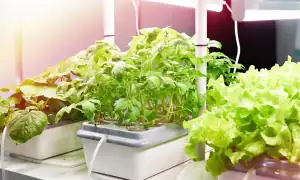
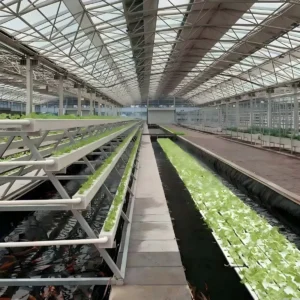
In the era of smart agriculture, a commercial glass greenhouse becomes a high-tech hub when equipped with precision tools. Hydroponic and aeroponic systems leverage water and nutrient delivery directly to plant roots, significantly reducing water usage while accelerating growth. Automated fertigation units measure and mix nutrients on demand, ensuring each crop receives an ideal nutrient balance. When integrated with IoT sensors, data on pH, EC, and moisture levels feed into a central dashboard, offering real-time insights and alerts for immediate adjustments.
Robotics and AI-driven analytics further revolutionize greenhouse operations. Automated planting, pruning, and harvesting robots navigate the interior with minimal human intervention, boosting labor efficiency and consistency. Computer vision systems monitor plant health and detect signs of stress, disease, or pest activity at early stages. Predictive models, powered by machine learning, analyze historical and current data to forecast yield outcomes and suggest optimal harvesting times. By embracing these technologies, growers position their commercial glass greenhouse at the forefront of modern agriculture—where innovation directly translates to enhanced crop quality and profitability.
Conclusion: Elevating Your Growing Potential Through Thoughtful Design
Designing a commercial glass greenhouse is more than constructing a shelter for plants—it’s about creating an environment that harmonizes light, climate, and technology. By carefully selecting materials, site, and systems, growers can build structures that maximize efficiency and deliver consistent, high-quality yields.
Embracing innovation and strategic planning empowers growers to push the boundaries of cultivation. With thoughtful design, your glass greenhouse will stand as a testament to sustainable, profitable agriculture in the modern age.
