






Introduction to Vertical Hydroponic Indoor Gardens
In recent years, the concept of indoor gardening has taken a revolutionary turn with the introduction of vertical hydroponic systems. These innovative gardens promise a bounty of benefits, especially for urban dwellers with limited space. As more people become aware of environmental issues and seek sustainable solutions, vertical hydroponic gardens offer an exciting opportunity to reconnect with nature in urban settings.
What is a Vertical Hydroponic Indoor Garden?
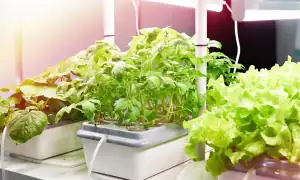
Essentially, this system involves growing plants in a vertically stacked arrangement without soil. Plants receive nutrients through a water-based solution, making it a form of soilless cultivation that relies on advanced technology and precise nutrient management. Hydroponic towers often feature smart systems that automate watering and nutrient delivery, enhancing growth efficiency.
Space Optimization and Urban Gardening
One of the most significant advantages of vertical hydroponic indoor gardens is their ability to maximize limited space. Traditional gardens require a horizontal spread, which can be a luxury in compact urban living spaces. Vertical systems grow upward, transforming walls and corners into lush, living art.
Environmental and Sustainability Benefits
Vertical hydroponic gardens contribute to urban greening, improving indoor air quality by increasing oxygen levels and reducing pollutants. Hydroponic systems recycle water, reducing usage by up to 90%, making them an environmentally friendly choice for areas facing water scarcity.
Faster Growth and Year-Round Harvest
Plants in hydroponic systems grow faster due to direct access to nutrients and water in a controlled environment. This allows for fresh produce all year round, unaffected by seasonal changes or harsh weather.
Versatility in Planting
Vertical hydroponic gardens can support a wide range of plants, from leafy greens and herbs to strawberries and tomatoes. Modular designs allow for expansion and customization, accommodating different crops and dietary preferences.
Low Maintenance and Accessibility
Automated watering and nutrient delivery systems make these gardens low-maintenance, ideal for busy individuals or beginners. The user-friendly design reduces physical labor, making hydroponics accessible to a broader audience.
Health and Nutritional Benefits
Growing your own food ensures chemical-free, fresh produce while reducing the carbon footprint associated with store-bought vegetables. Hydroponic gardening encourages healthier eating habits and promotes awareness of food origins.
Conclusion
Vertical hydroponic indoor gardens offer space efficiency, environmental sustainability, and a reliable source of fresh produce. They enhance home environments, support healthier lifestyles, and foster self-sufficiency. Embracing hydroponic gardening allows urban dwellers to enjoy the benefits of home-grown goodness while contributing to a greener and more sustainable future.
