






You would experience entering your house to find a beautiful green space which supports natural growth without requiring any soil to exist. An indoor hydroponic garden enables you to build this space which appears like it belongs to a science fiction film. Urbanization expansion requires people to occupy limited spaces while their busy lives make gardening impossible so hydroponics creates an optimal solution which combines modern technology with natural resources through a space-efficient system.
Indoor hydroponic gardens enable you to grow fresh herbs and vibrant vegetables throughout the year because they operate independently from outdoor weather patterns. This new gardening technique allows you to garden without seasonal boundaries while working in urban areas. The method functions as a sustainable practice because it requires less water than traditional gardening methods. The moment has arrived to begin your path toward building a green oasis which will turn your home into a living ecosystem. You can begin your own indoor hydroponic garden to grow year-round produce through this guide.

Selecting the Ideal Hydroponic System for Your Space
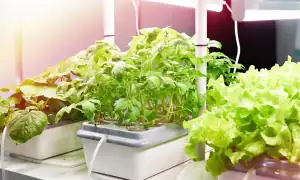
Choosing the right hydroponic system is the first step in establishing a successful indoor hydroponic garden. The selection of your irrigation system depends on three essential elements which include available space and plant species and funding resources. A basic Deep Water Culture (DWC) system which allows plant roots to hang in a nutrient solution serves as an accessible starting point for new growers. The market offers DWC units through two product lines which include countertop kits and small window-mounted units that work well for kitchens with limited space.
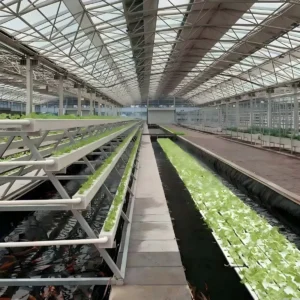
If you have a bit more room or want to experiment with a larger variety of plants, consider Nutrient Film Technique (NFT) or Ebb and Flow systems. The root system of NFT channels receives nutrient solution through sloping pipes which create a thin film of solution that passes by the roots. The Ebb and Flow system operates by allowing trays to experience periodic flooding before the water returns to the reservoir. Vertical towers together with aeroponic misting systems have become popular choices for urban areas because they deliver high production rates from small areas of land. You can determine your indoor space requirements and your target harvest amount to select a hydroponic system which will convert any home area into a lush garden space.
The following elements must be present for hydroponic garden establishment.
A hydroponic garden which operates successfully requires three essential elements to maintain its proper operation. The reservoir functions as a storage area which maintains and distributes the nutrient solution to the system through a submersible pump. The air pump and air stone function together to provide water oxygenation which enables roots to get sufficient air supply for preventing rot. You’ll also need net pots or grow trays to support your plants’ roots, filled with an inert growing medium such as clay pebbles, coconut coir, or rockwool.
The solution requires lighting to function because it contains this essential component. Full-spectrum LED grow lights have established themselves as the industry benchmark because they provide energy-efficient lighting which duplicates the complete spectrum of sunlight. The lights should be programmed with a timer to create regular light and dark periods which should include 14–16 hours of light for leafy greens and 10–12 hours for fruiting plants. A reliable pH and EC (electrical conductivity) meter should be your final purchase because it enables you to check nutrient strength and acidity levels which guarantee your plants will always thrive in their best environment.
The basic requirements include vital equipment but you should also consider including mounting racks for vertical installation and temperature gauges to track solution and ambient temperatures and backup batteries for timer power during power outages. With all these components in place, your indoor hydroponic garden will be well-equipped to support flourishing crops of lettuce, basil, tomatoes, and more.
Nutrient Solutions: Nourishing Your Plants for Optimal Growth
The core element of every indoor hydroponic garden consists of a nutrient solution which combines macro- and micronutrients to provide plant sustenance through water instead of soil. Plant development needs three essential macronutrients which serve dual purposes for leaf development through nitrogen (N) and root and flower development through phosphorus (P) and disease protection and plant wellness through potassium (K). The plant requires secondary nutrients which include calcium and magnesium and sulfur to function properly while trace elements like iron and manganese and zinc prevent deficiencies which result in strong and healthy leaf growth.
The use of pre-formulated hydroponic nutrient blends makes the process easier because they provide complete solutions for plant growth during different stages which include vegetative development and flowering and fruiting. Follow the manufacturer’s recommended dosage amounts while you should modify the concentration according to the size of your plants and the temperature of your water and their current growth speed. You can create your own fertilizer blends by purchasing separate nutrient salts which you can mix into custom solutions. Begin by adding base nutrients to your solution before you can achieve the right balance by adding chelated trace elements. The solution needs to be mixed with clean lukewarm water before you let it circulate for thirty minutes to check both pH and EC levels.
The system needs to follow a maintenance schedule for its reservoirs. The nutrient solution needs to be replaced every 7–14 days because this process maintains proper chemical levels and prevents salt accumulation and microbial contamination. Perform a complete system flush using pH-balanced water before each change followed by a new preparation of your nutrients. Your indoor hydroponic garden will produce strong plant growth and maximum yields with excellent taste through your method of maintaining solution freshness and equilibrium.
The hydroponic system needs proper pH level maintenance through regular monitoring of its pH levels.
The operation of hydroponic gardens within buildings needs pH control because it allows plants to obtain their required nutrients. The optimal pH range for most plant species exists between 5.5 and 6.5 because solutions at this range provide plants with their best access to nutrients. The availability of calcium and magnesium nutrients decreases when the solution pH falls below 5.5 but iron and manganese and phosphorus become unavailable when the solution pH rises above 6.5. Gardeners who perform pH tests regularly can identify nutrient lockout so they can take action to prevent plant deficiencies which results in restricted plant development.
The measurement of pH requires either a digital pH meter or quality test strips which need to be bought. Perform daily checks on your solution when you add water or fresh nutrients to the system. The path to achieve your target range demands you to make slow drop additions of pH up solution (potassium hydroxide) or pH down solution (phosphoric acid) while stirring between each testing step. The measurement of pH depends on two factors which are nutrient concentration and water temperature so you need to perform regular meter calibration and track all major temperature changes.
The monitoring process requires you to check both pH levels and water temperature which should stay between 65–75°F (18–24°C) and electrical conductivity (EC) for nutrient strength assessment. The system requires immediate solution changes because pH drifts indicate that the reservoir has run out of solution or become contaminated. Your hydroponic system will maintain stability for root nutrient absorption when you check it regularly and make necessary changes which will produce strong plant development and abundant yields.
Conclusion: Embracing the Green Revolution at Home
The process of creating an indoor hydroponic garden in your home space brings more than fashion value because it delivers health benefits and sustainability advantages and brings you joy. The right system selection together with quality component assembly and correct nutrient and pH management will enable you to create an independent garden which produces fresh produce throughout each year.
The green revolution becomes accessible to everyone through hydroponics which both experienced gardeners and new gardeners can use in their own backyards. You can start your indoor hydroponic garden by preparing all necessary materials then establishing your growing system which will lead to successful plant growth through individual leaf development.
