

In recent years, the interest in hydroponics and vertical gardening has surged, and for good reasons. This innovative method of growing plants is transforming how we think about agriculture and gardening. Whether you’re a seasoned gardener or a curious beginner, understanding the benefits of hydroponics in vertical gardening can open up a world of possibilities.
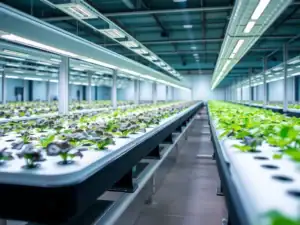
 Hydroponic vertical gardening combines two powerful agricultural techniques: hydroponics and vertical gardening. Hydroponics is a method of growing plants without soil, using a nutrient-rich water solution instead. This technique allows plants to grow faster and more abundantly by providing them with direct access to the nutrients they need.
Vertical gardening, on the other hand, involves stacking or suspending plants vertically, which maximizes space usage. By integrating hydroponics with vertical gardening, you get a system that is efficient, space-saving, and highly productive.
Key Benefits of Hydroponics in Vertical Gardening
Maximizing Space Utilization
One of the most significant advantages of vertical hydroponic systems is their ability to maximize space. In urban areas where land is scarce, vertical gardening offers a solution by allowing you to grow a large number of plants in a small footprint. By using a vertical grow wall or a compact hydroponic tower, you can transform even the smallest spaces into productive gardens.
Increased Crop Yields
 Hydroponic gardening typically results in higher crop yields compared to traditional soil-based gardening. Plants in a vertical hydroponic planter receive a balanced supply of nutrients, water, and oxygen, which promotes faster growth and higher yields. This method can be especially beneficial for leafy greens, herbs, and other fast-growing plants.
Efficient Water Usage
Water efficiency is another significant benefit of hydroponic vertical gardening. The closed system of a vertical NFT hydroponics setup recycles water, reducing overall consumption. This method uses up to 90% less water than traditional soil gardening, making it an environmentally friendly choice.
Pesticide-Free Produce
Hydroponic systems provide a controlled environment that minimizes the need for pesticides. This means you can grow healthier, pesticide-free produce, which is not only better for the environment but also healthier for you and your family.
Exploring Different Vertical Hydroponic Systems
Tower Hydroponics
 Tower hydroponics systems are a popular choice for vertical gardening. These systems consist of stacked planters where water and nutrients are pumped from the base to the top, trickling down to nourish each plant. This setup is ideal for growing a variety of plants, from leafy greens to strawberries.
Vertical Grow Walls
Vertical grow walls are an innovative way to incorporate greenery into urban environments. These walls can be installed indoors or outdoors, creating living murals that purify the air and beautify the space. By integrating hydroponics, these walls become self-sustaining, requiring minimal maintenance.
Stacked Hydroponic Gardens
Stacked hydroponic gardens use layers of planters, each receiving a direct supply of nutrient-rich water. This method is perfect for small spaces and can be adapted for both commercial and residential purposes. The modular nature of stacked gardens allows for customization and scalability.
The Future of Vertical Hydroponic Farming
As the global population continues to grow, the demand for sustainable agricultural practices becomes more pressing. Vertical hydroponic farming presents a viable solution to meet this demand. By optimizing space, resources, and crop yields, vertical farming can play a crucial role in ensuring food security.
Urban Agriculture and Food Security
Urban areas are increasingly adopting vertical hydroponic farming to address food security challenges. By growing food locally, cities can reduce dependency on imported produce, lower transportation emissions, and provide fresh, nutritious food to their residents.
Innovations in Vertical Hydroponic Technology
The advancements in vertical hydroponic technology are paving the way for more efficient and accessible gardening solutions. Automated systems, smart sensors, and AI integration are making it easier for individuals and businesses to manage vertical gardens with minimal effort.
Getting Started with Your Hydroponic Vertical Garden
If you’re interested in starting your own hydroponic vertical garden, here are some steps to get you started:
- Choose Your System: Decide between a tower, stacked garden, or grow wall based on your space and needs.
- Select Your Plants: Opt for plants that thrive in hydroponic systems, such as lettuce, herbs, and tomatoes.
- Set Up Your System: Assemble your hydroponic system, ensuring it has proper lighting, nutrient supply, and water circulation.
- Monitor and Maintain: Regularly check the nutrient solution, pH levels, and plant health to ensure optimal growth.
Conclusion
Hydroponics in vertical gardening offers a sustainable, efficient, and productive way to grow plants. Whether you’re looking to enhance your home garden or explore commercial farming, the benefits of this approach are undeniable. By embracing hydroponic vertical gardening, you can contribute to a greener future while enjoying the bountiful harvest it provides.