






Imagine a world where farming doesn’t rely on fertile soil or favorable weather conditions, where cultivation happens right in the heart of urban spaces, and fresh produce is available year-round. Sounds like a futuristic dream, doesn’t it? Welcome to the fascinating realm of hydroponics, specifically the game-changing hydroponic recirculating system. This system is revolutionizing agriculture by maximizing efficiency and minimizing resource use, all while producing lush, nutrient-rich crops. As we delve into the future of farming, it becomes clear that traditional methods are evolving rapidly, and those who embrace these changes are set to reap substantial rewards.
In today’s world, land scarcity and the unpredictable nature of climate patterns pose significant challenges for traditional farmers. Yet, innovation in agriculture offers solutions that transcend these limitations. The hydroponic recirculating system is at the forefront of this transformation—it conserves water, uses space efficiently, and reduces the carbon footprint. By continuously recycling water and nutrients, this system ensures that plants receive optimal care, leading to higher yields and healthier harvests. As you journey through this blog post, be prepared to discover how embracing this cutting-edge technology could redefine the way we feed our growing global population.

Understanding Hydroponics vs. Traditional Farming
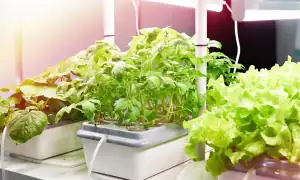
Traditional farming relies on soil as the primary growth medium, where roots must search for water, nutrients, and oxygen. Farmers till fields, amend soils with fertilizers and organic matter, and manage pests and diseases through a combination of cultural and chemical controls. In contrast, hydroponics suspends plants in a soilless medium—such as coco coir, rock wool, or clay pebbles—and delivers water and nutrients directly to the root zone. The hydroponic recirculating system takes this a step further by returning unused nutrient solution to the reservoir, ensuring efficient use of inputs and minimizing waste. This key difference allows growers to maintain precise nutrient concentrations, pH levels, and moisture content, leading to more predictable growth and higher yields per square meter.
Beyond yield comparisons, traditional agriculture is bound by weather patterns, seasonal changes, and geographic limitations, whereas hydroponic systems can thrive indoors under controlled lighting and climate conditions. Soil-based crops also face issues like compaction, erosion, and nutrient leaching, driving up labor and input costs. Conversely, hydroponic growers can eliminate many of these variables, reducing the need for herbicides and pesticides and significantly lowering water consumption. That said, initial investments for hydroponic infrastructure tend to be higher, and technical knowledge is essential to monitor and adjust system parameters. Ultimately, the choice between these methods hinges on goals, scale, available resources, and willingness to adopt emerging agricultural technologies.
Maximizing Efficiency: Water and Resource Conservation
Water scarcity is a critical global challenge, but hydroponic systems excel in water conservation by recirculating nutrient solutions instead of allowing runoff and evaporation common in soil-based farming. In a properly managed hydroponic recirculating system, up to 90% less water is used compared to conventional field cultivation. This efficiency stems from closed-loop reservoirs that collect excess solution, filter out contaminants, and reintroduce it to plant channels, minimizing water loss and ensuring that every drop is utilized. Additionally, because nutrients remain dissolved in the water, plants take up exactly what they need, reducing fertilizer runoff and the environmental impact on nearby waterways.
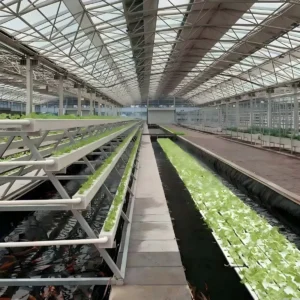
Space optimization is another hallmark of recirculating hydroponics. Vertical stacking, modular towers, and bench systems allow growers to maximize productivity per square foot, making urban farming and greenhouse facilities more feasible in densely populated areas. Without the need for large tracts of arable land, growers can repurpose unused urban buildings, rooftops, or shipping containers. Beyond water and space, these systems also reduce labor demands: automated pumps, timers, and sensors track pH, electrical conductivity, and solution levels, alerting growers to any deviations. As resource consciousness rises globally, the hydroponic recirculating system presents a compelling model for sustainable agriculture that addresses water scarcity and conserves valuable inputs.
Overcoming Climate Limitations with Controlled Environments
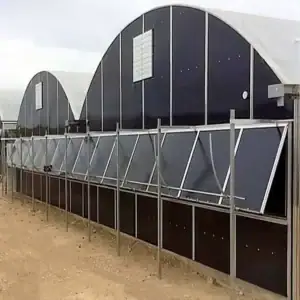
One of the biggest advantages of hydroponics is the ability to farm regardless of external weather or seasonal fluctuations. By establishing a controlled environment—complete with LED grow lights, climate control units, and automated ventilation—growers can maintain optimal temperature, humidity, and CO2 levels. This eliminates the risk of crop losses due to droughts, floods, or unexpected frosts. The hydroponic recirculating system integrates seamlessly with these technologies, ensuring that nutrient delivery and environmental controls work in tandem to maximize photosynthesis and growth rates.
Indoor farming also shields crops from pests and diseases that thrive in open fields. With the right biosecurity protocols and air filtration systems, growers can substantially reduce or even eliminate the need for chemical pesticides. This means cleaner, safer produce for consumers and a smaller ecological footprint. Moreover, artificial lighting allows for 24/7 cultivation cycles, enabling multiple harvests per year and significantly shortening the time from planting to market. By combining recirculating hydroponics with environment control systems, farmers can achieve higher consistency, quality, and volume, regardless of geographic location or external climate conditions.
Economic Viability: Cost Analysis and Long-Term Savings
While the upfront cost of setting up a hydroponic recirculating system—covering components such as reservoirs, pumps, piping, lighting, and environmental controls—can be substantial, the long-term financial benefits often justify the investment. Over time, operational savings from reduced water consumption, lower fertilizer use, and decreased labor requirements offset initial capital expenditures. Energy-efficient LED lighting and renewable energy integration (e.g., solar panels) can further drive down electricity costs associated with indoor farming. Additionally, by producing crops year-round, hydroponic farmers avoid seasonal market fluctuations and command premium prices for out-of-season produce.
Revenue streams from hydroponics extend beyond vegetable and herb cultivation. Many growers diversify into specialty markets—such as microgreens, edible flowers, or medicinal plants—where high value per square foot and shorter growth cycles yield rapid returns. Furthermore, urban hydroponic farms can save on transportation and logistics by situating production close to consumer markets, cutting delivery times and reducing spoilage. When factoring in waste reduction, water savings, and potential crop insurance benefits, a well-managed recirculating hydroponic system often achieves break-even within two to four years. For forward-thinking investors and farmers, the promise of stable, high-margin crops makes this technology a financially compelling path forward.
Embracing the Future: Opportunities and Challenges Ahead
The rise of hydroponic recirculating systems marks a new era in agriculture, blending precision engineering with biological science. As urban populations swell and climate unpredictability intensifies, demand for controlled-environment farming solutions will continue to accelerate. Technology advancements—such as AI-driven nutrient dosing, robotics for transplanting and harvesting, and blockchain for supply chain transparency—are poised to enhance system reliability and profitability. Collaborations between research institutions, tech innovators, and farmers will further streamline operations and lower barriers to entry, making hydroponics more accessible worldwide.
However, challenges remain. Energy consumption for lighting and climate control can be significant, especially where renewable sources are limited. Technical expertise is required to manage pH, nutrient balance, and system maintenance, creating a learning curve for new adopters. Regulatory frameworks and building codes may also need updates to accommodate indoor farms in urban zones. Despite these hurdles, the momentum behind hydroponic recirculating systems is undeniable. With continued investment, education, and policy support, this transformative technology stands ready to redefine food production, improve resource stewardship, and ensure food security for future generations.
Conclusion
Hydroponic recirculating systems represent a paradigm shift in agriculture, offering water savings, climate resilience, and economic opportunity. By decoupling food production from traditional limitations of soil and weather, these systems unlock year-round cultivation and higher yields in compact spaces.
As technology evolves and costs decline, more growers will embrace this innovative approach. The journey toward sustainable, efficient, and resilient farming is well underway, and hydroponic recirculating systems are at its forefront, ready to feed our planet’s future.
