

Hydroponic gardening is a revolutionary approach that is transforming the way we cultivate plants. By eliminating the need for soil, this method leverages water mixed with nutrient solutions to foster robust and vibrant plant growth. For anyone who has ever felt constrained by limited gardening space or poor soil quality, hydroponic pot growing systems offer an innovative and effective alternative. In this article, we will delve into the numerous advantages of hydroponic pots, highlighting how they can enhance and redefine your gardening experience.
 Hydroponic pot gardening is a method that allows plants to grow in water-based environments enriched with essential nutrients, replacing the traditional soil medium. These systems employ containers known as hydroponic grow pots, specially designed to secure plants while ensuring their roots can directly access the water and nutrients they need. This gardening technique is gaining traction among home gardeners due to its capacity to maximize growth efficiency and simplify the process of plant cultivation.
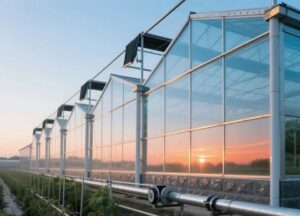
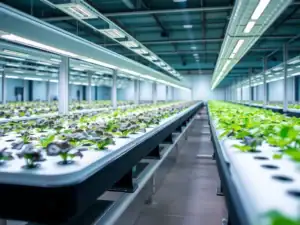
Hydroponic systems are adaptable and can be implemented in a variety of environments, from compact indoor spaces to expansive greenhouses. The elimination of soil also means that gardeners can focus solely on optimizing water and nutrient levels, which can lead to more predictable and controlled plant growth outcomes. This adaptability makes hydroponic pot gardening a versatile option for both novice gardeners and experienced horticulturists looking to innovate.
Key Components of a Hydroponic Pot System
A hydroponic pot growing system is comprised of several integral components that work together to create an optimal growing environment:
- Containers: These are the pots or containers in which the plants are cultivated. They are designed to support the plant structure and facilitate efficient nutrient uptake.
- Water Reservoir: This is a crucial element that holds the nutrient-rich water solution needed for plant growth. It serves as the lifeline of the system, constantly supplying necessary nutrients.
- Nutrient Solution: A carefully crafted mixture of water and vital nutrients that support plant health and development. It must be balanced and regularly maintained for optimal results.
- Growing Medium: While soil is not used, substitutes like coconut coir or clay pellets provide stability and support to the plants, enabling proper root anchorage.
- Aeration System: This component ensures that the plant roots receive adequate oxygen, which is vital for healthy growth. It prevents root suffocation and enhances nutrient uptake efficiency.
Advantages of Hydroponic Pot Growing Systems
1. Efficient Use of Space
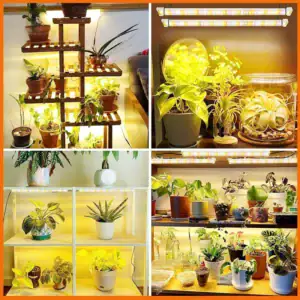
One of the standout advantages of hydroponic gardening is its remarkable efficiency in space usage. Traditional gardening often requires expansive plots of land, but hydroponic systems break these barriers by being adaptable to almost any setting. From small urban balconies to confined indoor spaces, hydroponic pots can be incorporated seamlessly, making it an ideal solution for urban gardeners who face space constraints.
Moreover, hydroponic systems can be stacked vertically, effectively multiplying the growing area available in a limited space. This vertical integration not only maximizes plant yield but also transforms unused spaces into productive gardens, offering fresh produce in areas that might otherwise seem unsuitable for traditional gardening.
2. Faster Plant Growth
 Hydroponic systems are known for promoting faster plant growth compared to soil-based gardening. The direct access to a steady supply of oxygen and nutrients accelerates root development and plant growth. This means that plants can complete their growth cycles more quickly, allowing for faster harvests and potentially more crop rotations within a year.
In addition to rapid growth, plants in hydroponic systems often exhibit improved health and vigor. The controlled environment reduces the stress factors typically associated with soil-grown plants, such as nutrient competition and inconsistent watering, resulting in more robust and resilient plant growth.
3. Water Conservation
A major environmental advantage of hydroponic gardening is its capacity for water conservation. Hydroponic systems are designed to recirculate water, significantly reducing water waste compared to traditional soil gardening. This closed-loop system ensures that plants receive the exact amount of water they need, minimizing evaporation and runoff.
This water-efficient approach is particularly beneficial in areas prone to drought or where water resources are limited. By reducing the overall water footprint, hydroponic systems offer a sustainable solution for cultivating plants in water-scarce regions, making them an eco-friendly choice for conscientious gardeners.
4. Reduced Risk of Pests and Diseases
Traditional soil-based gardening often contends with pests and diseases harbored in the soil. Hydroponic systems mitigate these risks by eliminating soil, thus reducing the prevalence of soil-borne pests and diseases. While hydroponic gardens are not entirely immune to pest issues, the absence of soil simplifies pest management and decreases the likelihood of infestations.
In addition, the controlled environment of hydroponic systems makes it easier to detect and address potential problems early. This proactive approach to pest and disease management enhances plant health and reduces reliance on chemical pesticides, promoting a more organic and sustainable gardening practice.
5. Year-Round Gardening
Hydroponic pot growing systems provide the remarkable advantage of enabling year-round gardening, independent of seasonal changes or weather conditions. Indoor hydroponic setups allow gardeners to manage the growing environment meticulously, including regulating temperature, light, and humidity, to ensure optimal plant growth throughout the year.
This capacity for continuous cultivation means that gardeners can enjoy a steady supply of fresh produce, regardless of the climate outside. It also offers the flexibility to grow a wide variety of plants that might not be feasible in a traditional outdoor garden, broadening the scope of gardening possibilities.
Choosing the Right Hydroponic Grow Pots for Home Use
When selecting hydroponic pots for home use, several factors should be considered to ensure optimal plant growth and system efficiency:
- Size: The size of the pots should correspond to the plants you intend to grow. Larger plants will require bigger containers to accommodate their root systems and support their development adequately.
- Material: Choose pots made from durable materials that can withstand constant exposure to water and nutrient solutions. Materials like plastic or ceramic are often preferred for their resilience and longevity.
- Design: Opt for pots with excellent drainage and aeration features to prevent waterlogging and promote healthy root growth. Proper design ensures that the roots receive enough oxygen and nutrients, preventing root rot and enhancing plant vitality.
Self-Watering Hydroponic Pots
Self-watering hydroponic pots are an innovative solution designed to maintain consistent moisture levels, reducing the frequency of manual watering. These systems typically include a built-in water reservoir and a wicking mechanism that draws water up to the plant roots as needed. This feature makes self-watering pots ideal for busy gardeners who may not have the time to water their plants regularly.
By providing a constant supply of moisture, self-watering pots help ensure that plants remain hydrated and healthy, even in the gardener’s absence. This convenience, coupled with the benefits of hydroponic gardening, makes self-watering pots an attractive option for anyone looking to simplify their gardening routine while maximizing plant health.
Setting Up Your Hydroponic Container System

To establish a basic hydroponic container system, follow these detailed steps for successful implementation:
- Choose Your Location: Select a site that offers sufficient light and space for your hydroponic pots. If you plan to grow indoors, consider using grow lights to supplement natural light, ensuring your plants receive adequate illumination.
- Select Your Plants: Opt for plants well-suited to hydroponic systems, such as lettuce, herbs, tomatoes, and peppers. These plants typically thrive in water-based environments and offer a good starting point for hydroponic gardening.
- Prepare the Containers: Fill the pots with your chosen growing medium, such as coconut coir or clay pellets, and carefully insert the plants. Ensure the medium supports the plants securely while allowing efficient nutrient absorption.
- Mix the Nutrient Solution: Follow the instructions on your nutrient solution package to prepare a solution with the appropriate concentration of nutrients mixed with water. Regularly check and adjust the solution to maintain plant health.
- Set Up the Aeration System: Ensure your system provides sufficient oxygen to the roots, either through an air pump or by designing the system with good drainage and airflow. Proper aeration is crucial for preventing root suffocation.
- Monitor and Maintain: Regularly inspect the nutrient solution levels, pH, and plant health. Make necessary adjustments to maintain optimal growing conditions and address any issues promptly to ensure continuous plant productivity.
Common Challenges and Solutions in Hydroponic Pot Gardening
While hydroponic gardening offers many advantages, it can also present certain challenges. Here are some common issues and effective solutions:
Nutrient Imbalances
In hydroponic systems, plants depend entirely on the nutrient solution for their nourishment. An imbalance can result in poor growth or nutrient burn. Regular testing and adjustment of nutrient levels are essential to ensure that plants receive the correct nutrient balance. Use a reliable nutrient meter to monitor and maintain optimal nutrient conditions.
pH Fluctuations
The correct pH level is vital for efficient nutrient absorption. Use a pH meter to regularly monitor the solution and make adjustments as necessary to keep it within the ideal range for your specific plants. Maintaining stable pH levels is crucial for preventing nutrient lockout and promoting healthy plant growth.
Algae Growth
Algae can develop in nutrient-rich water exposed to light, which can compete with plants for nutrients. To prevent algae growth, cover the water reservoir to block light penetration and ensure the system is well-sealed. Regularly clean the system components to remove any algae buildup and maintain a clean growing environment.
Conclusion
Hydroponic pot growing systems offer a modern and efficient way to enjoy gardening without the limitations of traditional soil-based methods. By providing plants with direct access to vital nutrients and water, these systems encourage faster growth, conserve resources, and enable year-round cultivation. Whether you are an experienced gardener or just beginning your journey, hydroponic gardening opens up a world of possibilities for growing fresh, healthy plants at home.
With the right setup, attention to detail, and ongoing care, you can soon enjoy the rewards of your hydroponic garden. The satisfaction of harvesting your own produce, coupled with the environmental and space-saving benefits, makes hydroponic gardening a compelling choice for anyone looking to innovate their gardening practices. Happy gardening!