


The practice of hydroponics enables plant cultivation through soilless methods. The system depends on a water solution containing nutrients to support plant development. A hydroponic system requires the right growing medium to achieve successful results. The component functions as a crucial element that provides physical backing to plants while keeping their roots moist and delivering sufficient oxygen for growth. The following guide provides complete information about hydroponic growing mediums, which includes their different types and advantages, and the selection process for appropriate gardening requirements.

The hydroponic growing system uses three main hydroponic growing mediums which include coco coir and perlite, and vermiculite. These materials function differently from conventional soil because they fail to deliver nutrients that plants need to grow. The system uses these components to provide two essential functions which include plant stabilization and simple access to the nutrient solution. The selection of medium material for hydroponic systems determines their operational success because it influences water absorption and root support, and oxygen delivery. The wide range of available options requires knowledge about how each medium delivers its unique characteristics.
Why Choose a Growing Medium?
A hydroponic growing medium serves functions that include plant support in addition to its primary function of holding plants in place. The system maintains proper root health through its ability to control both air and moisture levels, which roots need to thrive. The selection of an appropriate growing medium enables farmers to control moisture levels, which helps prevent water from accumulating in the soil and causing damage to plants. The medium enables proper root aeration, which provides roots with enough oxygen for developing strong growth. The selection of an appropriate growing medium represents a vital choice because it determines plant health and growth rates, which subsequently affect total yield production.
Types of Hydroponic Growing Media
Coco Coir for Hydroponics

Coco coir serves as a hydroponic medium because it originates from coconut husks, which people extract as a natural fiber. Coco coir functions as a sustainable hydroponic medium because it originates from coconut husk,s which people extract as a natural fiber. The product shows outstanding water absorption properties, which enable it to preserve plant root moisture at stable levels. The root system of coco coir receives better oxygen access because this material provides superior aeration properties. The solution maintains pH neutrality, which prevents it from disrupting the nutrient solution’s chemical equilibrium, and appropriate treatment allows for its reuse as an environmentally friendly product. The wide application of Coco Coir makes it an essential component for various hydroponic systems because it works well with different types of plants.
Benefits of Coco Coir:
Excellent water retention
Good aeration
Sustainable and renewable
pH neutral
Perlite for Hydroponics
The natural volcanic glass known as perlite undergoes a transformation when heated to become a lightweight material with a porous structure. The product provides excellent performance for hydroponic systems because it offers superior drainage and aeration capabilities. The use of perlite as a standalone product helps to prevent waterlogging while it supports root health through its ability to drain excess water rapidly. The substance remains inactive while maintaining a neutral pH, which prevents it from changing the chemical properties of the nutrient solution, thus making it suitable for different hydroponic systems.
Benefits of Perlite:
Lightweight and easy to handle
Provides excellent drainage
The system improves air circulation, which benefits plant root development.
Inert and pH neutral
Vermiculite for Hydroponics
The mineral structure of vermiculite produces a spongy texture when it undergoes heating expansion similar to perlite. The substance maintains excellent moisture and nutrient retention properties, which make it suitable for seed germination and plant reproduction processes. The water-holding capacity of this soil type makes it an ideal choice for plants that need excessive moisture. The neutral pH of Vermiculite, together with its ability to hold nutrients, makes it an essential element for hydroponic system,s which work best when used with other media to achieve proper moisture and air circulation.
Benefits of Vermiculite:
High water retention
Good nutrient retention
Helps with seed germination
pH neutral
Choosing the Right Hydroponic Growing Medium
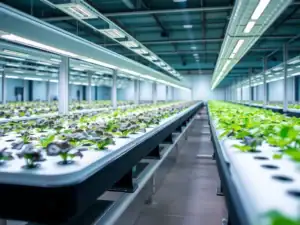
The illustration shows a hydroponic system that uses various growing media for plant cultivation.
Consider Your Plants
The selection of growing medium should depend on the particular requirements that your plants need to thrive. The water-retaining properties of vermiculite make it suitable for plants that need moist environments, such as leafy greens. The growth of fruiting plants that need perfect drainage will benefit from environments containing high amounts of perlite. The selection of an appropriate growing medium depends on your ability to determine which plants need specific moisture levels and nutrient access and aeration conditions.
System Compatibility
The choice of a hydroponic system determines which growing medium will work best for your operation. The different systems need different methods to control moisture levels and provide air circulation. The combination of drip systems with coco coir works effectively because these systems deliver a continuous nutrient solution while coco coir maintains water retention. Ebb and flow systems, which experience periodic flooding and draining, would achieve better moisture and drainage control through the use of a combination of perlite and vermiculite.
Budget and Sustainability
The selection of a growing medium requires an evaluation of the price and the environmental effects. The environmentally friendly nature of coco coir makes it an affordable choice because it comes from renewable sources, yet perlite and vermiculite extraction and processing methods generate environmental expenses. Your budget needs to match your sustainable practices for you to select a responsible option that supports your personal values and gardening objectives.
Ease of Use
The process of handling and maintaining the growing medium needs to be easy for users to consider. Media such as coco coir need pre-treatment to eliminate excessive salt content, which extends the preparation process before application. The user can easily work with perlite and vermiculite because these materials arrive in bags that need no preparation. Your hydroponic gardening experience will improve when you select a medium that matches your current skills and your ability to maintain the system.
Hydroponic Growing Media Options
A complete plant growth environment emerges when different media types are combined because each medium provides its own set of advantages. The combination of coco coir with perlite creates a mixture that maintains water content while providing better air circulation to support different plant species and hydroponic cultivation methods.
Other Hydroponic Media Types
Rockwool: The production of rockwool occurs through the combination of basalt rock with chalk, which results in a material that holds water well and allows air to pass through. The product does not break down naturally in the environment, which could be a problem for gardeners who want to use environmentally friendly practices.
Clay Pellets: The pellets known as expanded clay or hydroton provide excellent drainage properties, and users can reuse them, which results in affordable maintenance costs for extended periods.
Peat Moss: The combination of peat moss with other media produces excellent moisture retention,n but the substance changes soil pH, so users need to track and modify the pH levels.
Best Practices for Using Hydroponic Media

Preparing Your Medium

You need to check the hydroponic system for any contaminants before adding your growing medium to the system. The process of rinsing coco coir to eliminate salt residues and checking pH values in your selected growing medium helps you avoid future problems, which will support plant wellness.
Monitoring and Maintenance
The process of monitoring moisture levels together with the nutrient solution requires regular checks to achieve proper growth conditions. The process of adjusting your growing medium composition enables you to achieve proper air and water ratios, which support healthy plant growth and protect your plant roots.
Reusing and Recycling
The implementation of hydroponic media reuse becomes possible through proper cleaning and sterilization of coco coir and clay pellets to reduce waste and expenses. Your hydroponic system will become more efficient and eco-friendly through this practice, which helps both environmental sustainability and future cost reduction.
Conclusion
The selection of an appropriate hydroponic growing medium stands as a fundamental element that determines the success of plant cultivation within soilless systems. The knowledge of distinct characteristics in each medium enables you to select appropriate solutions that fulfill the requirements of your plants and hydroponic system. The selection between coco coir and perlite and vermiculite and their mixtures should aim to establish a nurturing space which promotes plant health and growth. Your hydroponic garden will produce abundant crops and healthy plants when you select the appropriate growing medium.