






In the ever-evolving world of agriculture, innovation is not just an option but a necessity. Imagine a farming method that could maximize crop yield, optimize resource use, and diminish environmental impact. Enter the dynamic duo of greenhouse and hydroponics systems—an innovative marriage that’s reshaping the agricultural landscape. This pairing is not merely about putting plants in a controlled environment and feeding them water; it’s about transforming traditional farming practices into something far more efficient and sustainable.
Harnessing the combined strengths of greenhouse structures and hydroponic technology is like having a superpower in the realm of agriculture. Greenhouses provide a stable and controlled environment, shielding crops from unpredictable weather and pests, while hydroponics ensures that plants receive precise nutrients directly to their roots. Beyond being a futuristic concept, this integration is already proving to be a game-changer for farmers who are keen to boost productivity while conserving water and minimizing land use. As we delve into this revolutionary synergy, prepare to discover how it can not only enhance your farming but also contribute to a more sustainable future for us all.

Understanding Greenhouse Farming
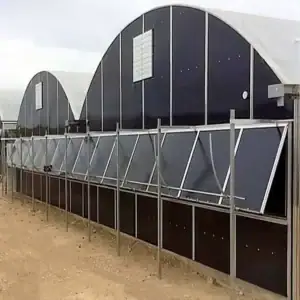
Greenhouse farming involves growing crops inside specially designed structures—typically made of glass, polycarbonate, or plastic—that allow sunlight in while maintaining a controlled internal climate. This method shields plants from adverse weather conditions, pests, and diseases. By regulating temperature, humidity, and light exposure, greenhouse farmers can cultivate crops year-round, even in regions with harsh winters or unpredictable rainfall. Such consistent environmental control leads to more reliable yields and can extend the growing season by several months, enhancing profitability and food security.
Beyond basic protection, modern greenhouse systems come equipped with automated climate control technologies, such as humidity sensors, thermal screens, and ventilation fans. These features help maintain optimal growing conditions without constant manual monitoring. Additionally, the enclosed space means that greenhouse operators can implement integrated pest management strategies more effectively, reducing the need for chemical pesticides. When paired with advanced growing techniques like drip irrigation or ebb-and-flow benches, a greenhouse becomes an efficient, high-output production unit that meets the demands of today’s consumers for fresh, locally grown produce.
Exploring Hydroponic Systems
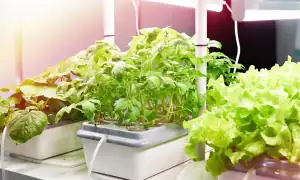
Hydroponics is a soil-free cultivation technique that delivers nutrients directly to plant roots through water-based solutions. There are several hydroponic configurations—such as nutrient film technique (NFT), deep water culture (DWC), and aeroponics—each optimized for different crop types and scales of production. In an NFT system, a thin film of nutrient solution continuously flows over the roots, while in DWC, plants are suspended in oxygenated nutrient-rich water. Aeroponics, by contrast, mists roots with nutrient solution. All these systems ensure maximum nutrient uptake and faster growth rates than traditional soil-based farming.
One of the standout features of hydroponic systems is their reduced spatial footprint. Crops can be stacked vertically or arranged in tiered racks, making them ideal for urban farms or areas with limited land availability. Moreover, because water and nutrients are recirculated, hydroponics can reduce overall water usage by up to 90 percent compared to field cultivation. This efficiency, coupled with precise control over nutrient concentration, pH levels, and oxygenation, allows growers to tailor the growing environment to the exact needs of each crop, resulting in higher yields and uniform quality.
Advantages of Hydroponic Systems
Hydroponic systems offer numerous benefits over conventional soil-based agriculture. First and foremost is water efficiency: by recirculating water, hydroponics can cut water consumption dramatically, a crucial advantage in drought-prone regions. Because nutrients are dissolved in the circulating water, plants receive an optimized blend of minerals at the root zone, leading to faster growth rates and higher yields. Many hydroponic setups can deliver up to 30–50 percent greater productivity per square foot compared to traditional methods.
Another advantage is the significant reduction in pest and disease pressure. Without soil, many soil-borne pathogens and pests are eliminated, reducing the need for chemical pesticides. The controlled environment further limits exposure to airborne diseases. Additionally, hydroponics allows for year-round production regardless of outdoor weather conditions. Growers can adjust light cycles, temperature, and nutrient formulations to produce off-season crops, tapping into markets when supply is typically low, thus commanding premium prices. This level of control and efficiency makes hydroponic systems an increasingly attractive option for both commercial producers and hobbyist growers.
Resource Efficiency in Greenhouse-Hydroponics Fusion
Combining greenhouse structures with hydroponic systems amplifies resource efficiency to new heights. In such hybrid setups, water recapture and reuse systems can be integrated within the greenhouse envelope, reducing water loss through evaporation. Rainwater harvesting from greenhouse roofs can supplement irrigation, cutting municipal water dependency. Additionally, greenhouse heating can be achieved through solar thermal panels or waste-heat recovery, ensuring that hydroponic nutrient solutions remain at optimal temperatures without excessive energy input.
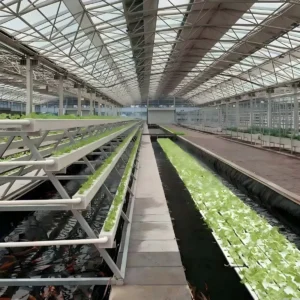
This fusion also leverages space more effectively. Vertical hydroponic towers or multi-tier benches within a greenhouse maximize floor space, allowing producers to cultivate high-value crops like leafy greens, strawberries, or herbs in densely packed arrays. Light-emitting diode (LED) supplementation can be tuned to plant-specific wavelengths, boosting photosynthetic efficiency. When coupled with automated climate control and nutrient management, the greenhouse-hydroponics combination can produce consistent, high-quality yields with minimal waste, supporting sustainable and profitable farming operations.
Successful Practices for Implementing the Hybrid System
Effective implementation starts with careful design and planning. Choose greenhouse materials—such as double-layer polyethylene or polycarbonate panels—that offer high light transmission and insulation. Select a hydroponic system (NFT, DWC, or aeroponics) based on crop selection, available budget, and technical expertise. Ensure your greenhouse orientation maximizes natural light, and consider shading systems to prevent overheating. Incorporate rainwater collection and storage, along with on-site water treatment, to create a closed-loop irrigation system.
Operational protocols are equally important. Monitor nutrient solution parameters (EC, pH, temperature) daily to maintain optimal growing conditions. Implement integrated pest management by introducing beneficial insects and regularly sanitizing equipment. Train staff on system maintenance, including pump servicing, filter cleaning, and greenhouse climate controls. Finally, conduct regular yield assessments and adjust nutrient recipes or environmental settings to refine productivity. By combining meticulous system design with disciplined operational routines, farmers can fully realize the potential of greenhouse and hydroponics integration.
Conclusion: Embracing the Future of Agriculture
The marriage of greenhouse and hydroponic systems represents a paradigm shift in modern farming. This powerful combination delivers unparalleled resource efficiency, year-round production, and superior crop quality. As global challenges like water scarcity and climate change intensify, such innovations will be indispensable.
By adopting greenhouse-hydroponics fusion, farmers can future-proof their operations, boost profitability, and contribute to a more sustainable food system for generations to come.
