




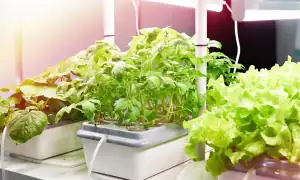

Imagine walking into a room where the air feels fresher, the mood is uplifted, and every corner seems to exude vitality. This isn’t just a dream scenario; it’s the reality that indoor planting can create. Transforming your living space into a green paradise is not just about aesthetic appeal—although that’s certainly a bonus—but about fostering an environment that promotes well-being. Studies have shown that having plants indoors can reduce stress, boost creativity, and even improve air quality. With benefits like these, it’s no wonder that many are turning their homes and offices into lush, green sanctuaries.
But how do you go from a few potted plants to a truly inspiring indoor jungle? It starts with understanding the basics of indoor planting. Determining the right plants for your space, ensuring they receive adequate light, and keeping up with their care needs are just the beginning. Whether you’re a seasoned gardener or new to the world of indoor flora, this guide will equip you with the knowledge and inspiration to cultivate an indoor oasis that rejuvenates both your space and spirit. Ready to dig in and watch your environment thrive? Let’s explore the exciting journey of indoor planting and unlock the secrets to creating your very own green paradise.

Understanding Light Requirements
Light is the cornerstone of successful indoor planting because it powers photosynthesis and influences plant health, growth rate, and flowering. Many houseplants have evolved under forest canopies or in bright, open spaces, so understanding the intensity and duration of light in your home is crucial. Start by observing window orientation: south-facing windows typically offer bright, direct light for several hours, ideal for sun-loving species like succulents and ficus. East- and west-facing windows provide moderate morning or afternoon sun, which suits ferns, philodendrons, and spider plants. North-facing windows supply lower light levels—perfect for low-light tolerant varieties such as snake plants and ZZ plants.
When natural light isn’t sufficient, supplementing with artificial sources can make a huge difference in your indoor planting success. Full-spectrum LED grow lights mimic sunlight and emit the specific wavelengths plants need for photosynthesis without excess heat. Position lights 12–24 inches above foliage, and run them on timers for 10–14 hours daily to replicate seasonal daylight cycles. To ensure even growth, rotate pots every week so each side receives comparable exposure. If you’re unsure about light levels, use a simple smartphone light meter app or a handheld lux meter. Adjust your setup seasonally—windows may allow less light in winter—so revisiting your light plan every few months will keep your green paradise thriving year-round.
Creating an Indoor Planting Schedule
Developing a consistent indoor planting schedule will keep your greenery happy and resilient. Start by mapping out a weekly checklist that includes watering, fertilizing, pruning, and cleaning leaves. Most houseplants need watering once every one to two weeks, but factors like pot size, soil mix, humidity, and temperature can accelerate or slow moisture evaporation. Use the finger-test method—insert your finger about an inch into the soil; if it feels dry, it’s time to water. For optimal results, water thoroughly until excess drains from the pot’s bottom, then empty the saucer to prevent root rot. Record each watering session in your planner or smartphone app so you can identify patterns and adjust frequencies.
Monthly and seasonal tasks should also be part of your schedule. Every four to six weeks, apply a balanced, water-soluble fertilizer to support steady growth. During spring and summer, when growth peaks, increase feeding slightly, and reduce it in fall and winter when many plants enter dormancy. Repot small or fast-growing plants every 12–18 months to refresh soil nutrients and prevent root binding. Dust accumulation on leaves can block light and hinder photosynthesis; gently wipe foliage with a damp cloth or give plants a lukewarm shower outdoors. By combining daily, weekly, and monthly routines, you’ll create an effective indoor planting schedule that anticipates your plants’ needs and helps them flourish.
Dealing with Common Indoor Plant Issues
Even the most carefully maintained indoor planting setups can encounter problems like yellowing leaves, browning tips, pests, and diseases. Overwatering is one of the most frequent issues—soil that remains soggy encourages fungal growth and root rot, leading to wilting or mushy stems. Conversely, underwatering causes leaves to become brittle and curl. To diagnose, check soil moisture, pot drainage, and the plant’s overall environment. If roots look black or slimy, cut away affected parts and repot in fresh, well-draining soil. Adjust your watering schedule accordingly and consider self-watering pots if you tend to forget.
Pests such as spider mites, aphids, and mealybugs can also afflict indoor gardens. These tiny invaders suck sap, stunt growth, and leave sticky residues on foliage. Examine leaves regularly—especially undersides—and treat infestations early with natural remedies: spray insecticidal soap, neem oil, or a mild solution of dish soap and water. For disease prevention, avoid overhead watering that wets leaves for extended periods; instead, water at the soil level. Improve air circulation by spacing plants at least a few inches apart and using a small fan in humid areas. By learning to identify symptoms quickly and applying targeted solutions, you’ll keep your indoor planting endeavor healthy and vibrant.
Implementing Sustainable Practices in Indoor Planting
Embracing sustainability in your indoor planting routine not only benefits the planet but also promotes healthier, more resilient plants. Start by choosing biodegradable or recycled pots—terracotta and coconut coir planters are great eco-friendly options. Collect kitchen scraps like vegetable peelings and coffee grounds for homemade compost, which enriches soil without chemical fertilizers. When mixing potting medium, include organic ingredients such as peat-free compost, perlite, and worm castings to enhance aeration and nutrient content. By closing the loop on organic waste, you reduce landfill contributions while giving plants nutrient-rich soil that supports robust root systems.
Water conservation is another critical component of sustainable indoor planting. Harvest rainwater in a barrel or use collected condensation from air conditioners to irrigate your green collection. Install a drip irrigation system or self-watering containers to minimize evaporation and overwatering. For pest management, adopt integrated pest management (IPM) techniques: introduce beneficial insects like ladybugs or use companion planting strategies—mint deters gnats, while marigolds repel certain aphids. These organic methods reduce reliance on synthetic pesticides and foster a balanced micro-ecosystem within your home. By integrating sustainable practices, your indoor planting journey becomes an act of environmental stewardship and personal well-being.
Conclusion: Embracing Your Green Paradise
Indoor planting is more than a decorative trend; it’s a transformative practice that enhances air quality, mental health, and overall ambiance. By mastering light requirements, maintaining a reliable care schedule, addressing common issues promptly, and adopting sustainable methods, you’ll cultivate a thriving indoor jungle that reflects your creativity and commitment.
As you embark on this leafy adventure, remember that patience and observation are key. Each plant has its own personality and preferences—learning to read their cues will deepen your connection with nature, even within four walls. So grab your watering can, find that sunlit corner, and let your green paradise flourish.
