





Building a hydroponic system is a great way to grow plants efficiently and sustainably. Whether you are a hobbyist or a budding horticulturist, hydroponic gardening offers a fascinating approach to plant cultivation that doesn’t require soil. Instead, it uses a nutrient-rich water solution to nourish plants directly at the roots. In this guide, we’ll walk you through the essential steps to build your very own hydroponic system.
Hydroponic gardening is a method of growing plants without soil. Instead of soil, plants are grown in a nutrient solution that provides all the essential minerals they need to thrive. This method allows for faster growth, higher yields, and can be done indoors or outdoors, making it ideal for urban settings where space is limited.
 Hydroponic systems offer several advantages over traditional gardening. Here are a few benefits:
- Space Efficiency: Hydroponic systems can be set up vertically, allowing you to grow more plants in a smaller area.
- Water Conservation: Hydroponics uses less water than soil gardening because the nutrient solution is recirculated.
- Faster Growth: Plants in hydroponic systems tend to grow faster because they have direct access to nutrients.
- Fewer Pests and Diseases: Without soil, the risk of soil-borne pests and diseases is significantly reduced.
Choosing the Right Hydroponic System
Before you start building, it’s important to choose the type of hydroponic system that suits your needs. Here are a few popular types:
Wick System
The wick system is one of the simplest forms of hydroponics. It uses a wick to draw nutrient solution from a reservoir into the growing medium. This passive system is ideal for small-scale gardening and beginners.
Deep Water Culture (DWC)
In a DWC system, plants are suspended in a nutrient solution with their roots submerged in the water. An air pump provides oxygen to the roots. This system is relatively easy to set up and maintain.
Nutrient Film Technique (NFT)
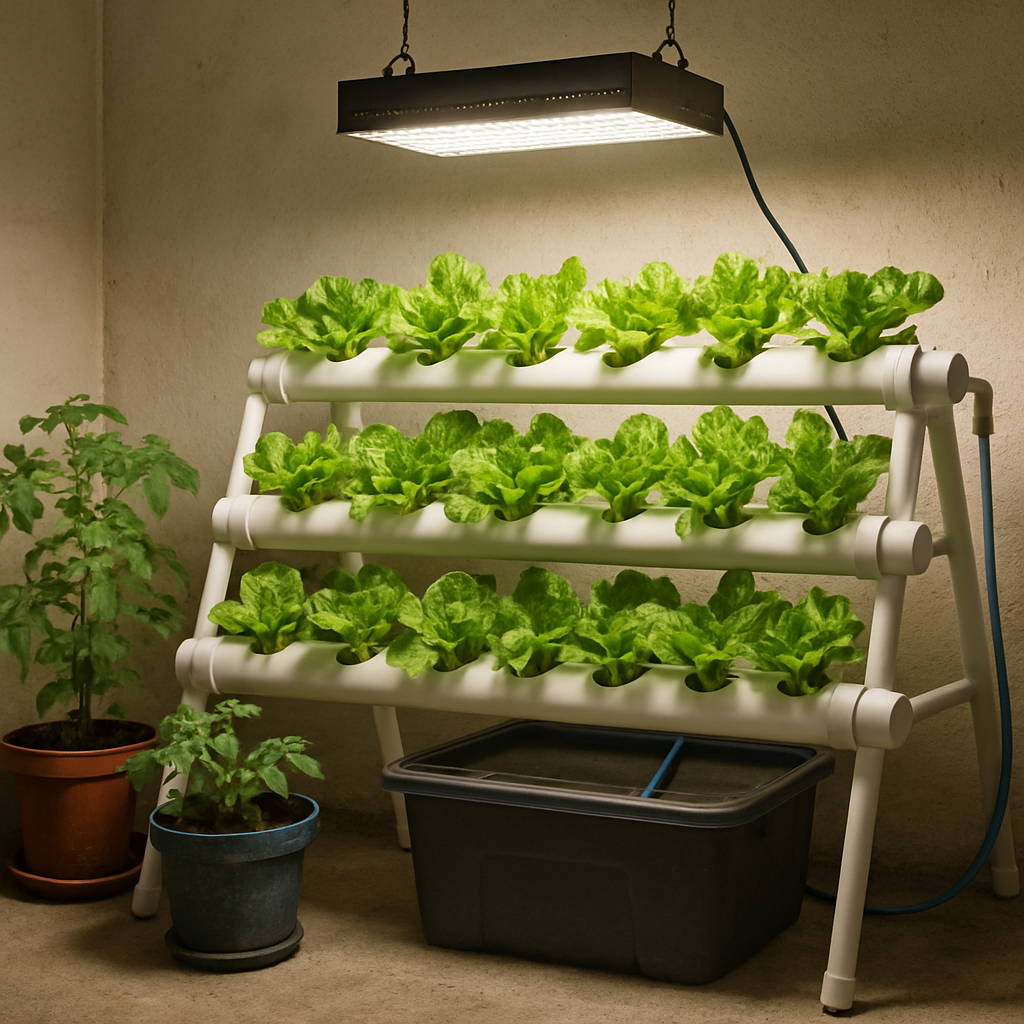
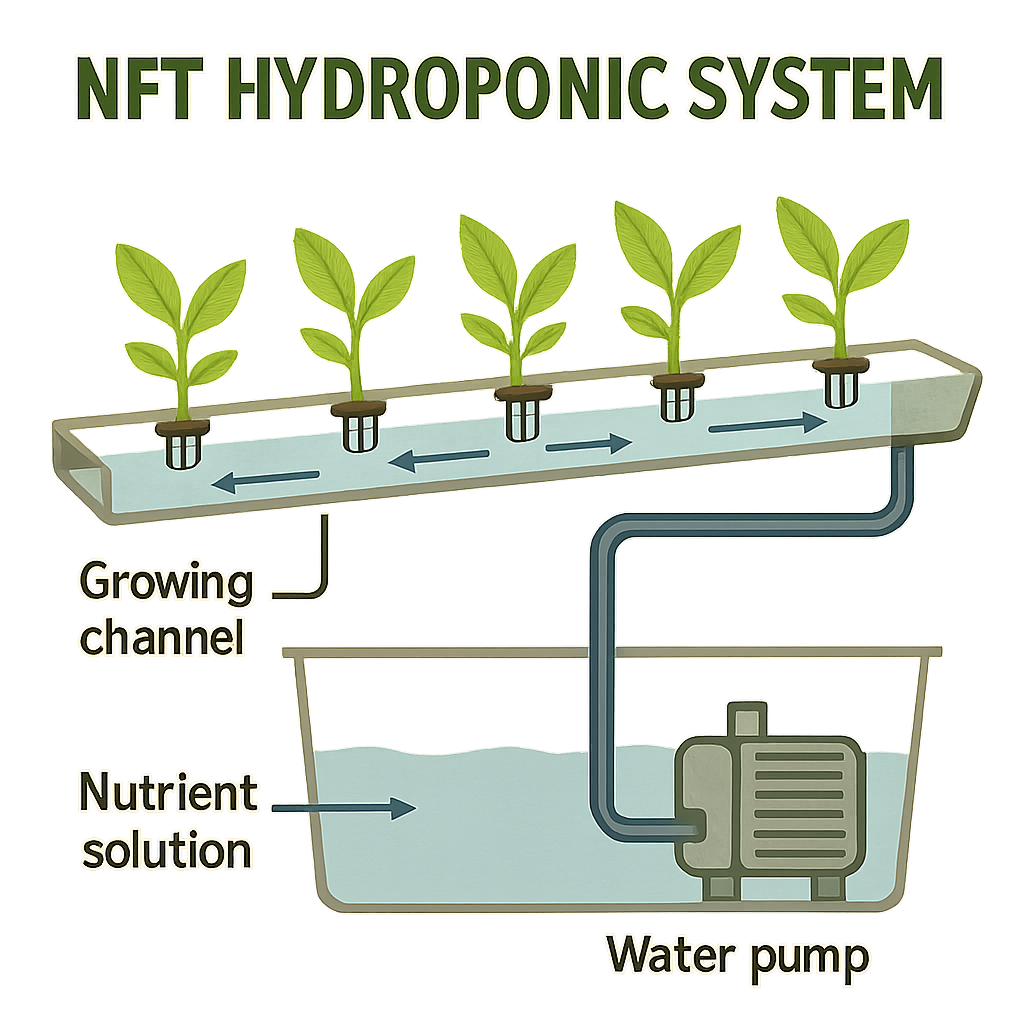 NFT systems use a constant flow of nutrient solution over the roots of the plants, which are housed in a sloping channel. It’s efficient and allows for continuous nutrient delivery, making it suitable for growing leafy greens.
Drip System
A drip system delivers nutrient solution directly to the base of each plant through a network of tubes. It’s versatile and can be used for a wide range of plants.
Essential Components for Building a Hydroponic System
Once you’ve chosen your system, gather the necessary components. Here’s what you’ll need:
Growing Container
The growing container holds the plants and supports the growing medium. It can be anything from a plastic tub to a custom-built frame, depending on your system choice.
Reservoir
The reservoir stores the nutrient solution. It should be opaque to prevent algae growth and large enough to hold sufficient solution for your plants.
Air Pump and Air Stone
These are essential for systems like DWC, where oxygen needs to be delivered to the roots. The air pump pushes air through the air stone, which diffuses it into tiny bubbles.
Nutrient Solution

The nutrient solution is the lifeblood of your hydroponic system. It’s a mix of water and essential nutrients that plants need to grow. You can buy pre-made solutions or mix your own using nutrient salts.
Growing Medium
Instead of soil, you’ll use a growing medium to support your plants. Options include Rockwool, clay pellets, perlite, and coconut coir. Choose one that suits your system and plant types.
Water Pump and Tubing
For systems like drip and NFT, a water pump circulates the nutrient solution. Tubing is used to direct the flow to the plants.
Step-by-Step Guide to Building Your Hydroponic System
Now that you have your components, it’s time to put them together. Follow these steps to build your hydroponic system:
Step 1: Set Up the Reservoir
Place your reservoir in a convenient location, ensuring it’s easily accessible for refilling and maintenance. Fill it with water and add the nutrient solution according to the manufacturer’s instructions.
Step 2: Assemble the Growing Area
Set up the growing container above the reservoir. If you’re using a wick system, insert wicks into the growing medium and place them in the container. For other systems, install the necessary supports for your plants.
Step 3: Install the Pump and Tubing
If your system requires a water pump, connect it to the reservoir and run tubing to the plants. Ensure the tubing is secure and directed to deliver the nutrient solution effectively.
Step 4: Add the Air Pump and Air Stone
For systems like DWC, place the air stone in the reservoir and connect it to the air pump. This will oxygenate the nutrient solution and promote healthy root growth.
Step 5: Plant Your Hydroponic Plants
Carefully place your plants or seeds in the growing medium. Ensure the roots have contact with the nutrient solution, especially in systems like DWC and NFT.
Step 6: Monitor and Maintain
Regularly check the pH and nutrient levels of the solution to ensure optimal plant growth. Adjust as needed and keep an eye out for signs of nutrient deficiencies or other issues.
Conclusion
Building a hydroponic system is a rewarding project that offers numerous benefits for plant growth. With the right setup and maintenance, you can enjoy a thriving garden year-round. Whether you’re growing herbs, leafy greens, or even flowers, hydroponic gardening provides a sustainable and efficient way to cultivate your favorite plants. Embrace the future of gardening and start your hydroponic journey today!
