




Home gardening has experienced a significant shift in recent years, with many individuals turning to hydroponic systems to cultivate fresh produce indoors. Hydroponics presents a unique solution for those with limited space or a desire to grow plants year-round. This approach to gardening uses nutrient-rich water instead of soil, allowing for more efficient use of resources and space. Let’s explore the myriad benefits of hydroponic systems for home gardening and understand why this method is gaining popularity among urban farmers and gardening enthusiasts alike.
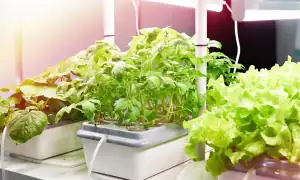
 A hydroponic system is a method of growing plants without soil. Instead, plants are grown in nutrient-rich water that delivers essential minerals directly to the roots. This technique can be implemented in various setups, from small countertop systems to larger installations suitable for more extensive indoor farming.
How Does a Hydroponic System Work?
Hydroponic systems use a growing medium—such as clay pellets, perlite, or rock wool—to support the plants. Water mixed with nutrients circulates through the system, ensuring that plants receive the necessary elements for growth. This method allows for precise control over plant nutrition and environmental conditions, resulting in healthier plants and increased yield.
Advantages of Hydroponic Systems for Home Use
 Hydroponic systems offer numerous benefits for home gardeners, especially those dealing with space constraints or urban settings. Here are some of the most compelling advantages:
Space Efficiency
One of the most significant benefits of hydroponic systems is their ability to maximize space. Traditional soil gardening requires ample outdoor space, but hydroponics can thrive in small apartments, balconies, or even indoors under LED lights. Vertical systems further optimize space by allowing plants to grow upwards, making them ideal for urban farming.
Faster Growth and Higher Yields
Plants grown in hydroponic systems often exhibit faster growth rates compared to those in soil. This is because the nutrients are readily available, and environmental conditions can be optimized. As a result, home gardeners can enjoy more frequent harvests and potentially higher yields, making it a rewarding endeavor.
Water Conservation
Hydroponics is a more sustainable option in terms of water usage. These systems use up to 90% less water than traditional soil gardens because the water in a hydroponic system is recirculated. This efficiency makes hydroponic gardening an attractive choice for eco-conscious individuals or those living in areas with water restrictions.
Reduced Pest and Disease Problems
Soil is a common source of pests and diseases that can damage plants. By eliminating soil, hydroponic systems significantly reduce the likelihood of these issues. This results in healthier plants and less need for chemical pesticides, which is beneficial for both the gardener and the environment.
Setting Up a Home Hydroponic Garden

Starting a home hydroponic garden might seem daunting at first, but with the right guidance, it can be a straightforward process. Here’s a basic guide to setting up your own indoor hydroponic system:
Choisir le bon système
There are several types of hydroponic systems to choose from, including:
- Nutrient Film Technique (NFT): A thin film of nutrient-rich water flows over the roots, which are supported in a tray.
- Deep Water Culture (DWC): Plants are suspended in a nutrient solution, with their roots submerged in water.
- Ebb and Flow (Flood and Drain): The system floods the growing area with nutrient solution and then drains it away.
- Drip Systems: Nutrient solution is dripped onto the base of each plant.
For beginners, starting with a simple system like DWC or NFT might be best, as they require minimal setup and maintenance.
Selecting the Right Plants
Not all plants are suitable for hydroponic growth. Leafy greens, herbs, and small fruits like strawberries and tomatoes are ideal for home hydroponic systems. These plants thrive in controlled environments and produce high yields.
Setting Up Your System
- Find a Suitable Location: Choose a space with access to electricity and water. Ensure it has proper lighting if you’re growing indoors.
- Assemble the System: Follow the manufacturer’s instructions to set up your chosen hydroponic system.
- Prepare the Nutrient Solution: Mix a hydroponic nutrient solution as per the instructions. This will provide your plants with the necessary minerals for growth.
- Plant Your Seeds or Seedlings: Place your plants in the growing medium and ensure their roots have access to the nutrient solution.
- Monitor and Maintain: Regularly check nutrient levels, pH balance, and the overall health of your plants. Adjust as needed to ensure optimal growth.
The Future of Urban Farming
Hydroponic systems represent the future of urban farming, offering a sustainable and efficient way to grow fresh produce in small spaces. As more people become aware of the benefits of indoor gardening, hydroponics will likely continue to gain traction among home gardeners and urban farmers.
By adopting hydroponic systems, individuals can contribute to a more sustainable food system, reduce their carbon footprint, and enjoy the satisfaction of growing their own food. Whether you’re a seasoned gardener or a beginner, hydroponics offers a practical solution for cultivating a variety of plants in the comfort of your home.
In conclusion, hydroponic systems provide numerous benefits for home gardening, from space efficiency and faster growth rates to water conservation and reduced pest problems. With the right setup and maintenance, anyone can enjoy the rewards of a flourishing indoor garden, regardless of space constraints or urban living conditions. Embrace the world of hydroponics and discover the joys of growing your own fresh produce at home.
