




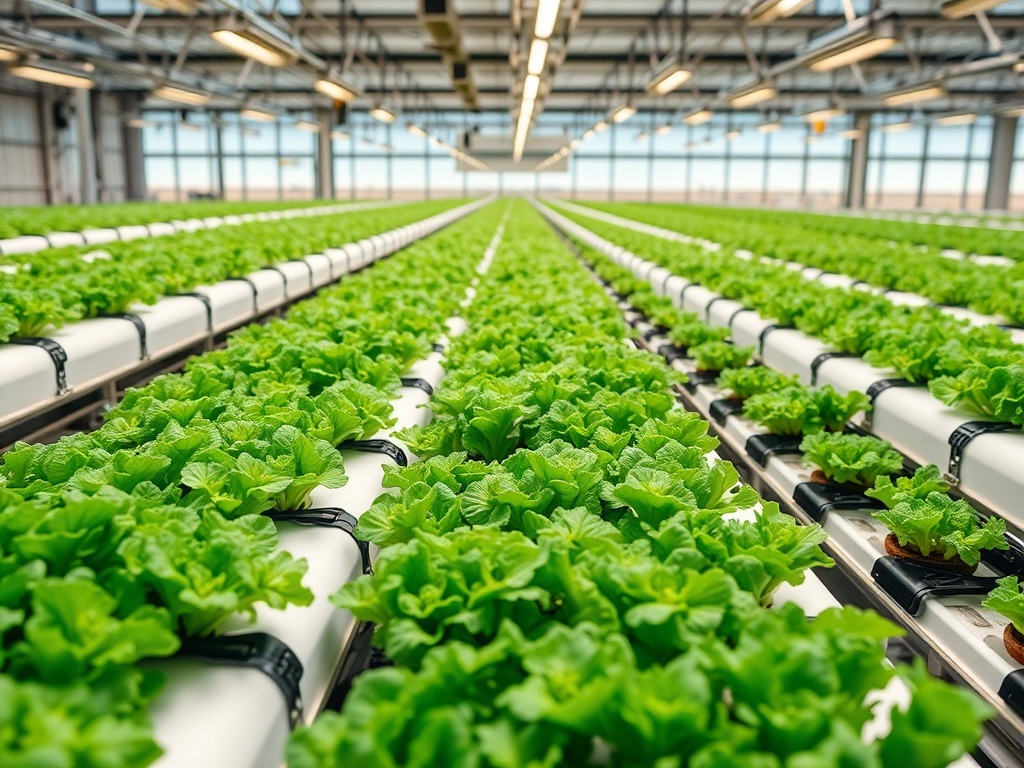
Industrial hydroponic systems are rapidly becoming the preferred manner in which to cultivate large quantities of produce on an industrial scale. Since these systems allow for maximum production whilst utilising the least amount of water and space, it’s no wonder that large-scale farming operations are opting for an alternative method of farming that not only proves sustainable but is also highly productive. Industrial hydroponics systems are designed to be capable of growing any crop, which adds to the versatility of these systems, as unlike traditional land farming, an industrial hydroponics system removes the need to use pesticides and many other chemical-based produce protectants, allowing you to harvest the healthiest of produce. Industrial hydroponic systems allow for the ultimate in crop production.
Benefits of Implementing Commercial Hydroponic Farming Systems for Large Scale Agricultural Production
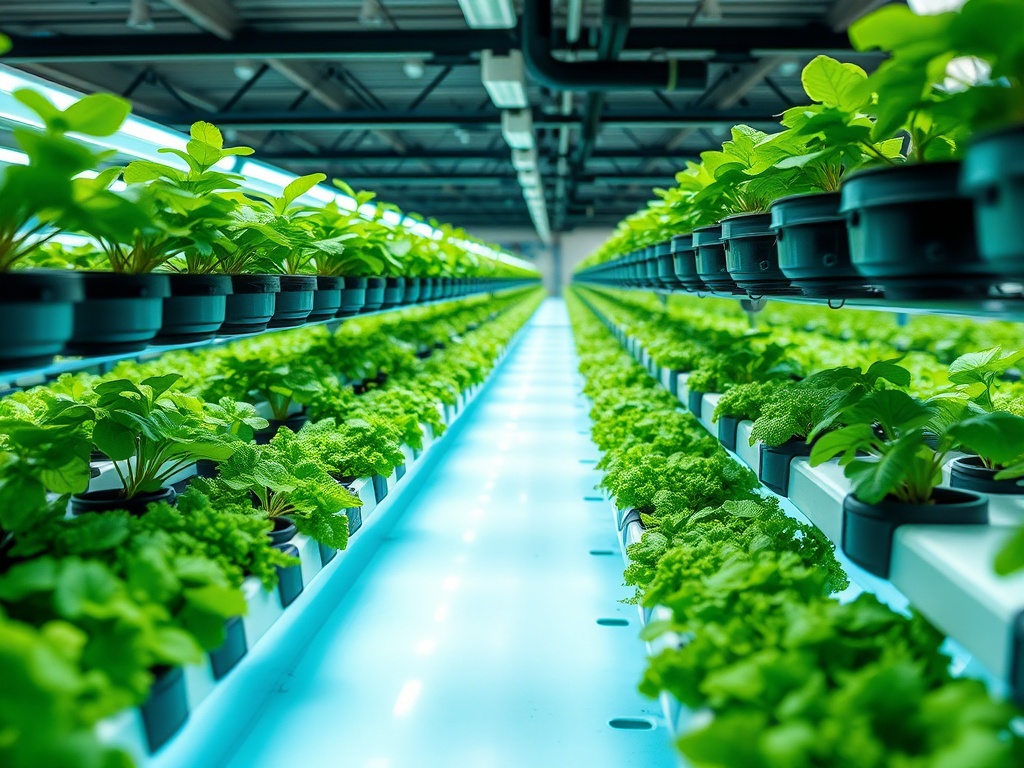
Commercial hydroponic farming systems offer large scale agricultural producers a revolutionary method of increasing crop yields and improving crop production while decreasing environmental harm. Rapid crop growth, high crop quality, and a wide choice of crops can be achieved with precise control of all nutrients, temperature, and humidity. Using hydroponics also conserves water and reduces pesticide and fertilizer usage.
Advantages of Large Scale Hydroponic Farming Systems for Sustainable Agriculture Practices
Large scale hydroponic farming systems are good for sustainable agriculture practices. They help reduce water waste and use less land. This way of farming is also good for the environment because it uses less pesticides and fertilizers. For big farming operations, companies like Starfarm Group can help with commercial hydroponic systems, vertical farming, and controlled environment agriculture. These systems are great for growing many types of crops, like leafy greens and tomatoes, using methods like nutrient film technique and ebb and flow hydroponics.
Commercial Hydroponic Greenhouse Systems for Increased Crop Yields and Reduced Water Consumption
Our Commercial Hydroponic Greenhouse Systems provide a optimal environment for crop production while improving water yields and increasing crop per square foot. Commercial Greenhouse Systems from GreenTech Hydrocultics are perfect for large scale or industrial level hydroponic farming. They’re also suitable for indoor agriculture or urban agriculture. Climate and weather can be controlled to provide perfect growing environments. The systems allow for sustainable agriculture, permaculture and water conservation. Suitable for startup or large commercial scale hydroponic farming, aquaponics and vertical integrated farms.
Benefits of Implementing Indoor Hydroponic Farming Systems for Year Round Crop Production and Reduced Land Use
Indoor hydroponic farming systems enable farmers and gardeners to grow crops all year round. Since these systems require minimal land and water to operate, they make an ideal platform for controlled environment agriculture (CEA), vertical farming, and the use of LED grow lights. Indoor hydroponic systems also support sustainable agriculture and urban farming practices. The systems provide a successful framework for year-round crop production with a reduced acreage required for farming, therefore supporting an environmentally friendly form of cultivation.
Economic Viability of Hydroponic Farming Systems for Commercial-Scale Agricultural Production and Reduced Environmental Impact
Commercial-scale agricultural production using hydroponic farming systems can be very good for the environment and also save money. This type of farming, also known as soilless cultivation or indoor agriculture, uses less water and land to grow crops like leafy greens and other vegetables. By using a hydroponic system, farmers can reduce their environmental impact and also make more money, making it a great option for commercial-scale farming. Companies like Starfarm Group are helping to make this type of farming more popular and viable for large-scale agricultural production and sustainable farming practices.
Optimizing Crop Yields with Advanced Hydroponic Nutrient Film Technique Systems for Indoor Farming Operations
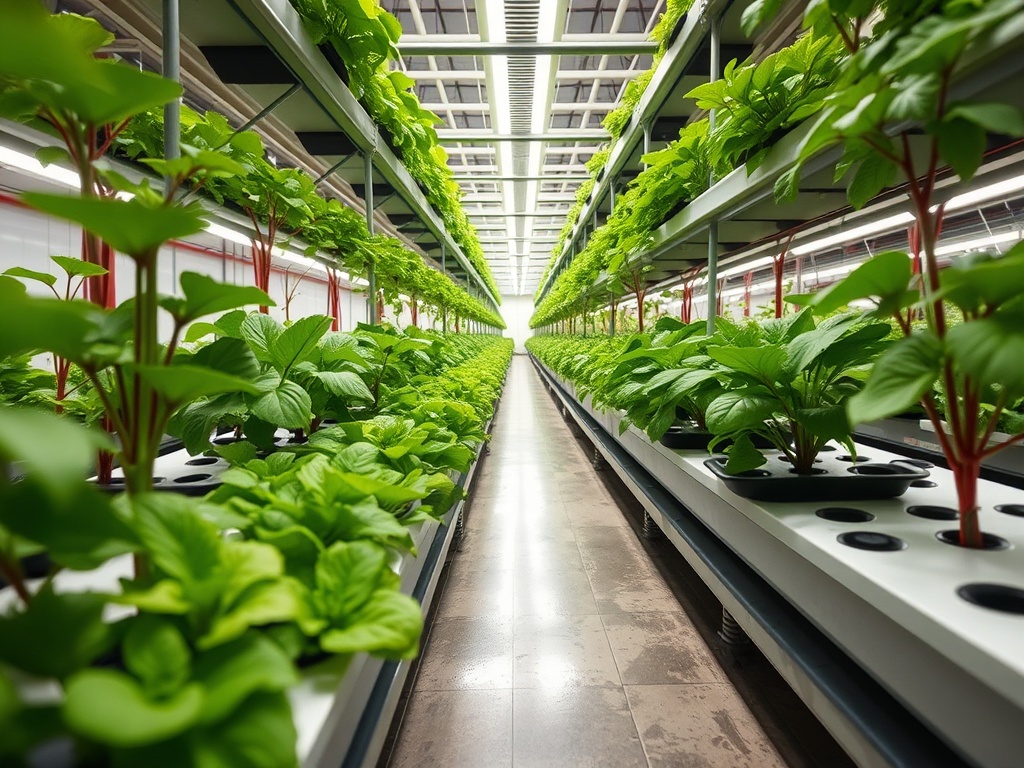
Whether your operation is a boutique vegetable farm in a shipping container or a 20,000 square foot industrial facility, maximising crop yields is a priority to ensure the most desirable return on investment for your indoor farming operation. By utilising an advanced hydroponic nutrient film technique (NFT) system, farmers can increase crop yields, reduce produce waste, and improve operational efficiency.
Implementing Hydroponic Nutrient Film Technique for Increased Crop Yields with Indoor Vertical Farming Systems
Indoor vertical farming systems are a great way to grow crops. The hydroponic nutrient film technique is a method used to increase crop yields. This method uses a special film to give plants the nutrients they need. For more information on this technique, visit the Starfarm Group to learn about indoor agriculture, vertical farming, and hydroponic systems for improved crop production and plant growth in controlled environment agriculture and urban farming settings.
Benefits of Using Recirculating Aquaculture Systems for Hydroponic Crop Production and Management
Recirculating aquaculture systems (RAS) can be used for crop production and management in hydroponic systems, as well as for aquaponics systems for crop production. A RAS can aid in water conservation, which is important for the sustainability of agriculture as well as for controlled environment agriculture (CEA). Recirculating systems are also a good tool for integrated pest management (IPM) and monitoring crop health to get the best crop yield possible. The use of RAS for crop production is also useful for indoor agriculture and urban agriculture, where aquaponics and hydroponics food production is taking off. The closed nature of RAS systems aids in crop production while reducing waste and saving energy for small or commercial farms, as well as for greenhouse production.
Designing and Building Optimized NFT Hydroponic Systems for Commercial Indoor Agriculture and Horticulture Applications
When designing an NFT (Narrow Transfer Function) based hydroponic system for commercial indoor agriculture and horticulture, it is essential to consider the available space and maximize its use. Utilizing vertical farming techniques, such as indoor hydroponic farming systems and controlled environment agriculture (CEA), growers are able to increase crop yields by efficiently utilizing available space and meeting plant requirements through optimized hydroponic nutrient film technique systems and commercial indoor growing operations.
Maximizing Plant Growth and Development with Advanced Hydroponic Drip Irrigation Systems for Indoor Farming Operations
Advanced hydroponic drip irrigation systems are a great way to help plants grow indoors. These systems use special tubes to give plants just the right amount of water and food. For indoor farming operations, companies like Starfarm Group can help set up these systems for controlled environment agriculture, indoor crop production, and hydroponic farm management. This helps with plant growth optimization, indoor agriculture water management, and drip irrigation system design for maximum yields.
Frequently Asked Questions About Commercial Hydroponic Farming Systems and Hydroponic Nutrient Film Technique Systems
What are the benefits of using hydroponic systems for large scale farming?
Due to the large amount of produce that can be harvested in a relatively small space, hydroponic systems are ideal for large scale farming. In addition, the systems require significantly less water than most common methods of farming. As water is a limited resource and being used up at an alarming rate, innovative techniques, such as hydroponics, are necessary. Because hydroponic farming can be conducted all year round, regardless of weather, crops are always at their freshest. Through the process, substantial amounts of pesticides and other hazardous chemicals are eliminated from production. This leads to providing healthier produce to consumers. Therefore, hydroponic systems are an ideal manner in which to cultivate sustainable food.
How do hydroponic nutrient film technique systems work?
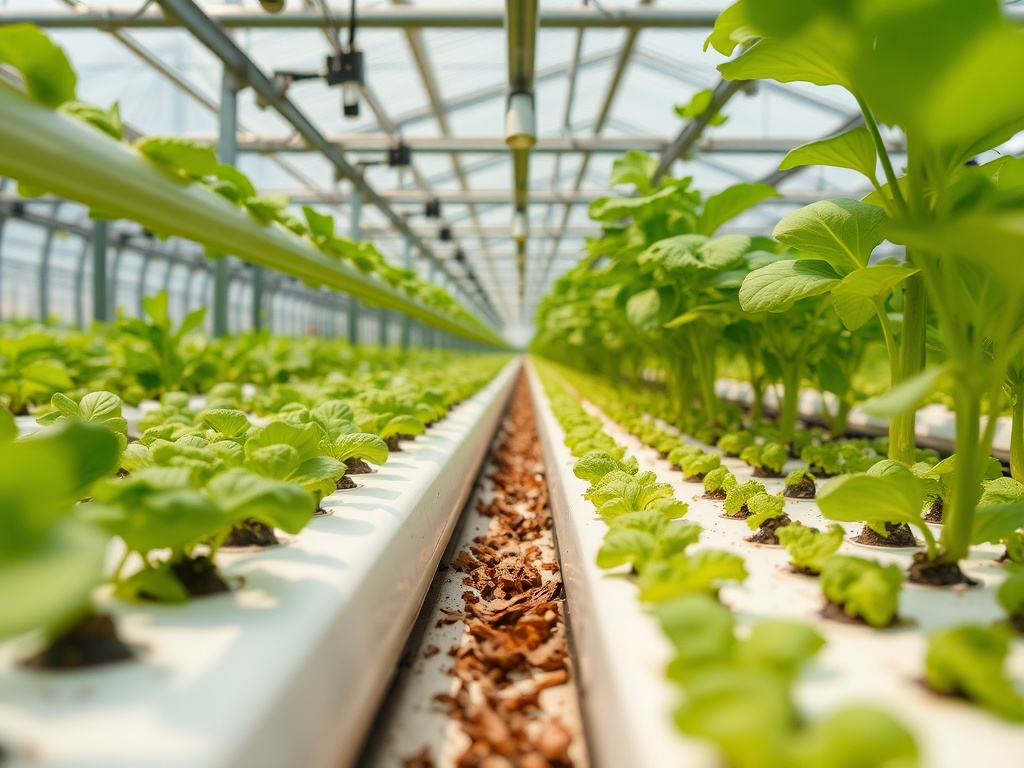
Our hydroponic nutrient film technique systems deliver nutrients to the roots of plants through a thin film of water. These systems are perfect for growing lettuce and other herbs. Nutrients are pumped to the roots of plants in a thin layer of water and then plants absorb the nutrients that they need, while excess water is then recirculated back to the system. The NFT systems are efficient, promote rapid plant growth and help to reduce water waste.
Can hydroponic systems be used to grow all types of crops?
There are many crops that can be grown using hydroponic systems; however, there are also crops that cannot be grown with this type of system. For example, using a hydroponic system to grow crops such as corn or wheat is very difficult because of their specific growth requirements. Most crops that are easy to grow in a controlled environment are great candidates for being grown using hydroponics. Many different types of produce, including tomatoes, cucumbers, and lettuce, are commonly grown using this system. In addition, herbs and microgreens are becoming increasingly popular with farmers who use hydroponics to grow these small crops that require minimal space and can be grown rapidly.
Are hydroponic systems expensive to set up and maintain?
While the initial cost of a hydroponic setup may seem daunting at first, it can actually lead to long-term savings. The yield can be much greater in a hydroponic system than in an earth-based medium like soil. Many types of crops are sold by weight. With a higher yield from a smaller area of land, the opportunity to profit from crop sales increases. In addition, hydroponic systems are also known to use reduced amounts of water and energy to maintain crop health. This could translate into dollars saved on the utility bill every month. Maintenance costs are generally low, especially if an efficient system has been chosen and proper care is performed. Regular checks can ensure that any problems are minimal and can be fixed with a simple repair before a minor issue turns into a major problem.
Take Your Farm to the Next Level
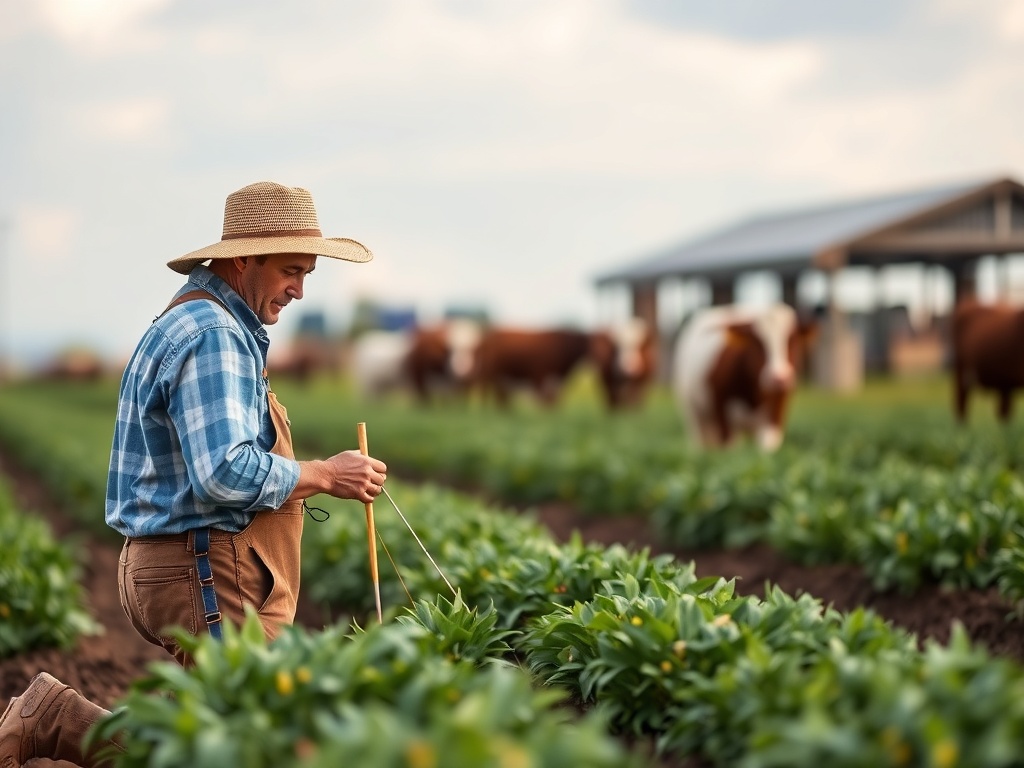
Industrial-sized hydroponic systems are excellent for growing crops in an environmentally friendly manner. They utilize less water and land than conventional farming methods, allowing farmers and growers to maintain an eco-friendly operation while simultaneously producing high-yielding crops promptly. These types of systems can be used to grow a variety of crops, from fruits and vegetables to essential herbs, as well as beautiful flowers.
Using an industrial hydroponic system can reduce the need for pesticides and other chemicals, allowing crops to be grown in a much healthier and sustainable way, whilst at the same time increasing crop yields and allowing farmers to maximise profits. Industrial hydroponic systems are very efficient and allow a higher crop yield in a much smaller floor space. This can really help farmers increase their sales and make a sustainable living from their farm.
Are you a farmer interested in increasing revenue on your farm? Consider implementing an industrial-scale hydroponic system on your farm. By growing more crops, using less water, using less land, and using less toxic pesticides, farmers can gain much greater returns on investment. Find out more about industrial hydroponics today.
