






Imagine a future where food scarcity is a relic of the past, a world where fresh produce is available year-round, despite the season or climate. This is not merely a dream but an emerging reality thanks to innovative greenhouse growing systems. These systems are revolutionizing agriculture by combining advanced technology with traditional farming techniques, creating sustainable and efficient methods for cultivating crops. With climate conditions becoming increasingly unpredictable, greenhouse growing systems provide a controlled environment that ensures consistent yields regardless of external factors.
Consider a farmer who once struggled with crop failures due to unexpected frost or prolonged droughts—issues that not only affected their livelihood but also the community relying on their produce. By integrating smart greenhouse technology, this farmer can now monitor and adjust environmental conditions such as temperature, humidity, and light exposure with precision. The result? A bountiful harvest all year long. Join us as we delve into the fascinating world of smart greenhouses and discover how they are transforming the global agricultural landscape.

Benefits of Smart Greenhouse Growing Systems
Smart greenhouse growing systems offer a multitude of advantages over traditional open-field farming, starting with unparalleled environmental control. By managing temperature, humidity, and light intensity through automated sensors and actuators, growers can eliminate the uncertainties posed by weather extremes. This level of precision ensures that crops receive the optimal conditions needed for photosynthesis and growth, leading to higher yields and consistent quality. Unlike conventional greenhouses, which still rely heavily on manual adjustments and are subject to human error, smart systems continuously monitor and recalibrate conditions, dramatically reducing crop stress and losses.
Another significant benefit of greenhouse growing systems is resource efficiency. Automated irrigation systems deliver water directly to the plant roots based on real-time moisture readings, minimizing waste and conserving a precious resource. Similarly, energy-efficient LED lighting tailored to specific growth stages helps reduce electricity consumption while maximizing photosynthetic activity. These efficiencies translate into lower operating costs and a reduced environmental footprint. Additionally, because smart greenhouses can be set up close to urban centers, transportation distances are shortened, cutting logistics costs and carbon emissions, and delivering fresher produce to consumers.
Components of a Smart Greenhouse System
A robust smart greenhouse system is built upon a network of interlinked components designed to work in harmony. Central to the setup are environmental sensors, which track variables such as temperature, humidity, CO₂ levels, and soil moisture. These sensors feed data into a centralized control unit that uses preset thresholds or AI-driven algorithms to determine when to activate climate control devices or irrigation systems.
Beyond sensors and controls, additional critical components include automated ventilation systems, climate conditioning units (heating and cooling), smart irrigation networks, and supplemental LED grow lights. Integrated software platforms tie everything together, offering growers real-time dashboards, alerts, and remote access. With these elements in place, greenhouse growing systems become a fully automated ecosystem capable of self-regulation and continuous optimization.
Importance of Climate Control in Smart Greenhouses
Climate control lies at the core of any successful greenhouse operation. By precisely regulating environmental factors, growers can mimic ideal growing conditions regardless of outside weather fluctuations. This stability is especially vital for sensitive high-value crops such as tomatoes, strawberries, and leafy greens, which can suffer yield losses with even slight temperature or humidity deviations.
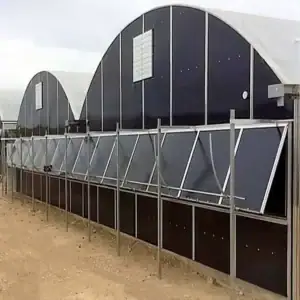
In smart greenhouse setups, climate control extends beyond simple thermostats and humidifiers. Advanced systems utilize predictive analytics that factor in weather forecasts and historical growth data to preemptively adjust heating or cooling. Automated louvers and vents respond to sensor input to optimize airflow, while thermal screens insulate against temperature swings. The result is a balanced microclimate that maximizes photosynthesis efficiency and minimizes plant stress.
Maximizing Crop Yield with Data Analytics
Data analytics empower growers to make informed decisions that directly impact crop yield and quality. By collecting vast amounts of data from environmental sensors, irrigation systems, and even plant health monitors, smart greenhouse operators can identify growth trends and easily troubleshoot issues. For instance, if sensor readings reveal localized high humidity pockets, growers can adjust ventilation or lighting schedules to prevent mold or fungal outbreaks.
Machine learning models enhance this process by predicting optimal harvest times based on real-time and historical data. These predictive insights help schedule labor, plan market deliveries, and adjust nutrient dosing for hydroponic or aeroponic setups. As patterns emerge, growers can fine-tune their greenhouse growing systems to push yields higher, reduce resource usage, and achieve consistent crop quality at scale.
Energy Efficiency in Smart Greenhouse Technology
Energy efficiency is a key consideration in the design and operation of modern greenhouse growing systems. Heating, cooling, and lighting account for the majority of energy consumption in a greenhouse environment. By integrating high-efficiency LED grow lights with spectral tuning, growers can supply precise wavelengths needed for each growth stage—seedling, vegetative, flowering—while consuming significantly less electricity than traditional lighting systems.
Thermal energy storage and passive solar design elements further enhance efficiency. By capturing excess heat during the day and releasing it at night, thermal mass materials like water barrels or phase-change panels reduce heating costs. Smart ventilation strategies that combine natural airflow with automated louvers and heat exchangers also contribute to a reduced HVAC load. When coupled with renewable energy sources such as solar panels or geothermal systems, greenhouse operators can approach carbon-neutral or even carbon-negative operations while maintaining optimal growing conditions year-round.
The Future of Farming: Sustainable Agriculture through Smart Greenhouses
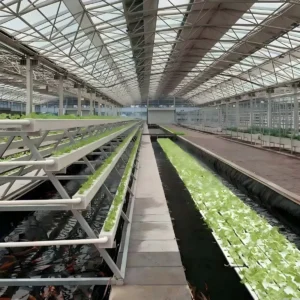
Smart greenhouse growing systems represent a cornerstone of sustainable agriculture. As global populations rise and arable land diminishes, vertical and urban greenhouse farms are poised to bridge the gap between food demand and supply. By stacking growing tiers and leveraging precise environmental controls, growers can produce more food per square foot than open-field farms, all while using a fraction of the water and land resources.
Moreover, integrating circular economy principles—such as capturing rainwater, recycling nutrient solutions, and composting plant waste—creates a closed-loop system that minimizes external inputs and environmental impact. Coupled with carbon capture or pollution-removal technologies, future greenhouse complexes could serve as both food production hubs and environmental remediation centers, shaping a resilient and sustainable global food system for generations to come.
Conclusión
Smart greenhouse growing systems are redefining the way we cultivate crops, offering unprecedented control over environmental conditions, resource use, and yield optimization. By harnessing advanced sensors, data analytics, and energy-efficient technologies, growers can achieve year-round harvests with consistent quality and minimal waste.
As we look ahead, these innovative systems hold the key to sustainable agriculture on a global scale. Embracing smart greenhouse solutions not only addresses food security challenges but also paves the way for eco-friendly farming practices that benefit farmers, consumers, and the planet alike.
