




It’s common to imagine tending a garden filled with vibrant plants in a peaceful outdoor setting, but many people are kept from realizing this dream due to limited space or unfavorable soil conditions. Indoor hydroponic systems, however, can transform even the smallest apartment into a bountiful garden. Read on to learn about our top picks for starting an incredible indoor gardening experience.
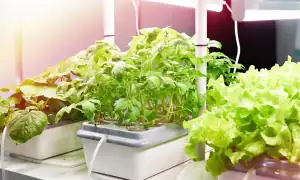
AquaNet 5 grows up to 5 plants with a stylish, modern design that will highlight your plant collection. Instead of a typical pot, your seeds and roots are showcased in clear glass to provide transparency and visual interest. The simple interface ensures that even inexperienced growers can maintain the perfect environment, and as your plants thrive, you can confidently enjoy the fruits of your labor.
Growing lettuce and tomatoes in a no soil garden is just as easy as growing them in soil. With the growing trend of hydroponics, plants are grown in a water solution with added nutrients. The benefits of growing hydroponics is that it can be very space efficient and in some systems can give you a greater chance of producing growth and harvest. We will be reviewing indoor hydroponic systems that range from an amateur setup to a more advanced system. We will help you choose the indoor growing system that is best for you.

Indoor Hydroponic System
Benefits of Indoor Hydroponic Systems
Indoor hydroponic systems have become increasingly popular due to their small footprint allowing for very compact gardens. Whether you have room for a countertop system, a closet sized system, or a ceiling high system the ability to create a thriving indoor garden is now within reach whether you live in a small apartment or large house with plenty of room in one of the many extra rooms. Indoor hydroponic gardens use up to 90% less water than soil based gardens because all of the water is recirculated back to the plant through the system instead of being wasted by soaking into the soil. In addition to conserving water hydroponic systems give you a tremendous amount of control over nutrients and the root zone, providing plants with a perfect environment in which to thrive. This results in plants growing faster and producing more yield per square foot than would be possible in a soil based garden.
Another benefit of indoor hydroponic systems is that produce can be grown at any time of the year. Heavy rains, hot weather, cold weather or droughts do not affect an indoor garden. As you can have multiple harvests in a year you can space them out to suit the season or your needs. Not only is an indoor garden contained this makes it easier to find pests and diseases before they can spread. But also by having a contained system the need to use pesticides is greatly reduced as there is little room for weeds to grow out of control and take over your garden. Which means you can have a cleaner, healthier harvest all year round.
But the advantages of growing with hydroponics do not stop there. A hydroponic system is very efficient, and surprisingly easy to keep up. The many avenues to learning about a hydroponic garden can delight both adults and children. People of all ages can learn about plant biology, nutrient cycles, and alternative, eco-friendly practices in this exciting, innovative field. Watching roots suspended in water and grow can be mesmerizing and serene in itself. Starting a hydroponic garden is cost effective and you will begin to see a return on investment in a matter of years. Enjoy continuous harvests of fruits, vegetables, herbs and flowers- and watch your savings add up for years to come.
Setting Up Your Indoor Hydroponic System
Where to place the indoor hydroponic system? You’ll need access to a power outlet and ideally some air movement and even temperatures all year round. LED or full spectrum grow lights are a good choice and can be placed above the unit. These give plants the feelings of sunlight and aid photosynthesis. It’s always a good idea to place the unit on a waterproof mat or tray to guard against any accidental spills. Adequate air exchange is required to keep the level of humidity down to prevent any mold from growing. Just like the outside climate, a consistent indoor climate is essential for growing healthy plants.
First decide on what type of system you will need to achieve your gardening goals. All hydro systems fall into three main categories: NFT (Nutrient Film Technique), DWC (Deep Water Culture), and Wick. Each has its own unique characteristics that can promote explosive plant growth. NFT systems are ideal for large yields and rapid production. DWC systems are the easiest to maintain on a long-term basis. Wick systems are the most passive of all and make an excellent choice for beginner growers. Research each system and decide which one best fits your needs based on your budget and level of gardening skill.
Step 3: Assemble and set up your system, following the steps and guidelines in the manual. Fill the reservoir with water and mix in the correct amount of hydroponic nutrient. Adjust the pH to the correct range (5.5-6.5). Turn on the pump and let it run for a few hours to get the nutrients circulating and check for any leaks. Then place your seedlings or clones into their pots and submerge their roots in the nutrient solution. Now that we have our system up and running we can start to plant.
Essential Nutrients for Hydroponic Gardening
When starting a new hydroponic grow, one must consider the proper balance of macronutrients for a healthy plant. Nitrogen is a key element in plant growth, making up nearly 75% of a plant’s biomass. The other important percentage of plant growth is the balance of other elements like phosphorus and potassium. Phosphorus plays a crucial role in a plant’s life cycle. As a plant begins to enter the fruiting stage, it requires an adequate amount of phosphorus to complete the maturation of roots and flowering. In addition to these elements, a plant requires an adequate supply of potassium, which is important to a plant’s overall health. Potassium is used in the absorption of water and nutrients. The two functions of calcium and magnesium are also important to plant development. Firstly, calcium is important in the hardening of plant cell walls. Secondly, magnesium is an important component in the production of chlorophyll, crucial to photosynthesis. Make sure for your hydroponics garden that the N-P-K ratio is correct and also that there is a sufficient amount of Ca and Mg in the solution.
Although the plants require very small amounts to thrive, all plants require a full compliment of micronutrients, although Iron can cause some new growth to turn yellow. The other essential micronutrients, manganese (Mn) and zinc (Zn) are vital as cofactors for many enzymes and hormone regulation, and the remaining micronutrients, copper (Cu), boron (B) and molybdenum (Mo) are also required for pollen germination and the fixation of nitrogen inlegumes. Most commercial hydroponic nutrients have these micronutrients in a balanced ratio and can be checked against the manufacturers information to ensure correct levels. Regular periodic foliar sprays are also necessary to top dress and correct any potential deficiencies.
Most people associate managing a nutrient formula with monitoring and possibly altering the mix of the solution. However, in order to achieve optimal results with your growing system it is also very important to monitor and adjust the water content and also the pH of the water. Accurate measurement of both is essential, using a digital pH meter to ensure that the pH of the water is within the optimal growing range of 5.5 to 6.5 and a EC (conductivity) meter to check the EC of the nutrient solution. Even with the best formula it’s advisable to top up the reservoir with fresh water and solution once a week, as the plants take up nutrients in an uneven manner. By monitoring and adjusting the pH and EC levels, you will be achieving the highest yield and best quality from your plants.
Maintenance Tips for Indoor Hydroponic Systems
Maintenance of your indoor hydroponic system and plants is key to keeping your plants healthy and in full production. Daily testing of the water for your plants will reveal any sudden changes which could cause harm. Stabilising the readings of both the pH and EC as much as possible will help to prevent any sudden death of your plants. Fresh supplies of are needed to maintain the levels in the reservoir, which should be done using dechlorinated water. The solution and nutrients should be changed and fresh ones added to the system every 1 to 2 weeks in order to remove any dead organic matter that could cause any imbalances. The temperature of the water also needs to be maintained, ideal being between 65°F and 75°F to allow for the better absorption of nutrients and to keep any plant pathogens at bay.
Besides crops going through cycles of harvest, there is also equipment that needs maintenance to avoid random system failures. Every 30-60 days check for clogs in all air stone inlets, suction ports and other connections. Clean the pump of any debris, and use a scrub brush to remove any algae, or mineral deposits from exposed tubes. Rinse out any reservoirs, nets, and net pots with a diluted mild bleach solution to sanitize between crops to prevent root rot and other plant diseases. Also, installing a timer or smart plug for lights and pumps will ensure they function as expected, even when you are not around.
For the indoor grower, there are no seasons – only days and weeks in which to pay attention to your plants and make sure that your growing system is functioning as it should. Check for nutrient deficiencies – symptoms include yellowing leaves and stunted growth. Make sure your plants are getting enough air flow to prevent moldy leaves. Inspect closely for aphids and spider mites. If you find an infestation, use organic insecticidal soap or beneficial insects like ladybug beetles.
Conclusion: Elevating Your Home Gardening Experience
Indoor hydroponic gardens produce the freshest produce all year round, using minimum space. With basic knowledge of the benefits, setup, nutrients and maintenance, anyone can create a fantastic indoor hydroponic garden producing crisp lettuce, fragrant herbs, succulent vegetables and more!
Introducing a new revolution in home gardening – indoor hydroponic systems. With proper maintenance and harvesting, these innovative systems can produce years of home grown produce for the avid gardener.
