



In recent years, hydroponics has emerged as a revolutionary approach to gardening and farming. This soilless method of growing plants offers numerous advantages over traditional soil-based methods. Whether you’re a seasoned gardener or a beginner looking to explore innovative techniques, understanding the benefits of a hydroponic grow system can transform your gardening experience. In this article, we’ll delve into why you might choose hydroponics over soil, the space-saving benefits, faster plant growth, efficient water use, and other significant advantages of hydroponic systems.
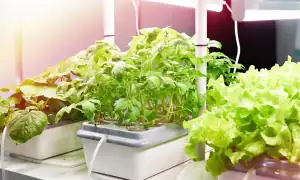
 Hydroponic gardening involves growing plants in a nutrient-rich water solution instead of soil. This controlled environment allows plants to receive the essential nutrients they need directly through the water, leading to several benefits that traditional gardening methods may not offer.
Why Choose Hydroponics Over Soil?
One of the primary reasons people opt for hydroponics is the level of control it offers. Unlike soil gardening, where you are often at the mercy of unpredictable weather and soil conditions, hydroponics allows you to create an optimal growing environment. This means you can precisely control the nutrients, pH levels, and light exposure, leading to healthier and more productive plants.
Space-Saving with Hydroponic Systems
 Hydroponic systems are incredibly space-efficient, making them ideal for urban environments or areas with limited space. Vertical hydroponic gardens, for instance, allow you to grow a significant number of plants in a small area by stacking them vertically. This space-saving benefit is particularly appealing for those living in apartments or homes without large outdoor spaces.
Hydroponic System for Faster Plant Growth
One of the most compelling reasons to use a hydroponic grow system is the potential for faster plant growth. In a hydroponic setup, plants receive direct access to nutrients, water, and oxygen, promoting quicker growth cycles compared to soil-grown plants. This accelerated growth is due to the elimination of the need for plants to expend energy searching for nutrients in the soil, allowing them to focus solely on growth and fruit production.
Benefits of Hydroponic Growing
Hydroponic systems offer a range of benefits that can enhance your gardening experience. Here are some key advantages:
Efficient Water Use in Hydroponics
Water conservation is a significant advantage of hydroponic systems. Traditional soil gardening often leads to water waste due to runoff and evaporation. In contrast, hydroponics recirculates water within the system, minimizing waste and allowing for precise water usage. This efficient water use makes hydroponic systems an environmentally friendly choice, especially in regions where water conservation is crucial.
Reduced Pest and Disease Issues
Hydroponic gardening reduces the risk of soil-borne pests and diseases. Without soil, many common garden pests and pathogens are eliminated, leading to healthier plants and reducing the need for pesticides. This not only creates a safer environment for your plants but also for you and the planet.
Consistent and Predictable Results
The controlled environment of hydroponic systems allows for consistent and predictable results. With the ability to monitor and adjust nutrient levels, light, and pH, you can achieve uniform plant growth and maximize yields. This predictability is a significant advantage for commercial growers looking to optimize their production.
Advantages of Hydroponic Systems

Year-Round Growing
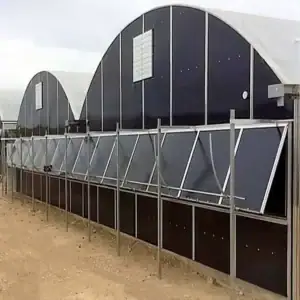
Hydroponic systems enable year-round cultivation, regardless of the season. By controlling the environment, you can grow plants indoors or in greenhouses, ensuring a continuous supply of fresh produce throughout the year. This advantage is particularly beneficial in regions with harsh climates or limited growing seasons.
Versatility in Plant Choices
Hydroponic systems are versatile and can accommodate a wide variety of plants. From leafy greens and herbs to fruiting plants like tomatoes and strawberries, hydroponics allows you to diversify your garden easily. This versatility means you can experiment with growing different plant varieties without being restricted by soil conditions.
Getting Started with Hydroponic Farming
If you’re considering transitioning to hydroponic farming, there are several key steps to take:
Die Wahl des richtigen Systems
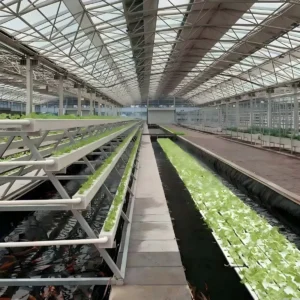
There are various types of hydroponic systems, including nutrient film technique (NFT), deep water culture (DWC), and aeroponics. Each system has its own unique setup and benefits, so it’s essential to research and choose the one that best suits your needs and available space.
Setting Up Your Hydroponic Garden
Once you’ve selected a system, setting up your hydroponic garden involves assembling the system, preparing the nutrient solution, and selecting the right plants. Many systems come with detailed instructions, making the setup process straightforward, even for beginners.
Monitoring and Maintenance
Regular monitoring and maintenance are crucial for the success of your hydroponic garden. This includes checking nutrient levels, pH balance, and ensuring that your plants receive adequate light. By maintaining these factors, you can ensure healthy and productive plant growth.
FAQ
What is a hydroponic grow system?
What are the benefits of hydroponic systems?
What types of hydroponic systems exist?
Can hydroponic systems be used for all plants?
Schlussfolgerung
The benefits of using a hydroponic grow system are numerous and compelling. From space-saving solutions and efficient water use to faster plant growth and reduced pest issues, hydroponics offers a modern and sustainable approach to gardening. Whether you’re an urban gardener with limited space or a commercial grower looking to optimize production, hydroponic systems provide a versatile and efficient solution. As you explore the possibilities of hydroponic farming, you’ll discover a world of opportunities to enhance your gardening experience and enjoy fresh, homegrown produce all year round.
