





Imagine a world where the constraints of traditional farming—unpredictable weather, limited arable land, and soil degradation—no longer dictate the success of agricultural endeavors. As we march toward a future that demands sustainable solutions for a growing global population, the commercial hydroponic system emerges as a beacon of innovation and efficiency. It’s not just a method; it’s a paradigm shift in how we approach food production, bringing agriculture indoors and into the modern age.
Gone are the days when vast fields were the only option for cultivating crops. Today’s farmers are increasingly turning to hydroponics to maximize yield and minimize resource use, paving the way for a more sustainable and resilient agricultural future. By leveraging technology to grow food in controlled environments, we’re not just introducing a new farming technique; we’re redefining what’s possible in the realm of agriculture. Explore with us how this ingenious system is set to become the backbone of future-ready farming, revolutionizing the way we think about food security and environmental stewardship.

Sustainability Through Controlled Environments
In the quest for sustainable agriculture, a commercial hydroponic system stands out by offering unparalleled resource efficiency. By growing plants in nutrient-rich water solutions rather than soil, these systems drastically reduce water usage—often by up to 90% compared to traditional field farming. This water-saving advantage results from closed-loop irrigation that recirculates excess solution, minimizing waste and runoff. As global water scarcity intensifies, this efficiency becomes critical in ensuring that farms can thrive without depleting precious freshwater reserves.
Moreover, cultivating crops in a controlled environment eliminates many of the environmental impacts associated with conventional agriculture. There’s no need for pesticides or herbicides, thanks to the ability to closely manage pests and diseases within a sealed growing chamber. Nutrient delivery is precisely calibrated for each crop, cutting down on fertilizer overuse and nutrient leaching into surrounding ecosystems. By integrating a commercial hydroponic system, growers can significantly reduce their carbon footprint and contribute to a more sustainable agricultural future, all while producing high-quality, chemical-free produce.
Maximizing Yield with Precision Agriculture
Precision agriculture lies at the heart of any efficient commercial hydroponic system, enabling growers to optimize every stage of the growing cycle. Advanced sensors constantly monitor variables like pH, electrical conductivity, temperature, and humidity. These real-time data streams feed into automated controllers that adjust nutrient concentrations and environmental conditions on the fly—ensuring plants receive exactly what they need at each growth phase. The result is accelerated growth rates and higher crop yields, without the guesswork that often plagues soil-based farming.
Additionally, LED lighting tailored to specific light spectra enhances photosynthesis and boosts productivity. By fine-tuning the light spectrum and photoperiod, farmers can induce faster germination, vigorous vegetative growth, and robust flowering or fruiting stages. This control shortens crop cycles and allows for multiple harvests per year, dramatically increasing output per square foot. In a world where arable land is finite, leveraging a commercial hydroponic system for precision agriculture offers a clear path to feeding more people with the resources at hand.
Technology Integration in Hydroponic Systems
Modern commercial hydroponic systems are transformed into digitalized, smart farms through seamless technology integration. Internet of Things (IoT) connectivity links sensors, pumps, lights, and climate controls to centralized dashboards. Growers can remotely monitor system performance and receive alerts whenever a parameter drifts outside its optimal range. This constant vigilance reduces crop failure risks and ensures that every component operates at peak efficiency.
Beyond basic automation, artificial intelligence and machine learning algorithms analyze historical data to predict growth trends and optimize nutrient delivery schedules. Robotics handle seeding, transplanting, and harvesting, freeing human labor for higher-value tasks like system oversight and research. Such end-to-end technological synergy elevates the commercial hydroponic system from a mere growing setup to a fully integrated agri-tech solution—capable of dramatically improving productivity, consistency, and profitability.
Overcoming Traditional Farming Constraints
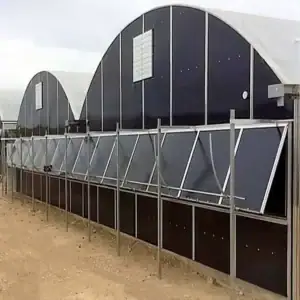
Traditional agriculture often wrestles with unpredictable weather patterns, soil degradation, and seasonal limitations. A commercial hydroponic system bypasses these challenges entirely by relocating cultivation indoors or within protected structures. Farmers gain full control over light, temperature, and humidity, eliminating crop losses due to droughts, floods, pests, or unseasonal frosts. This reliability transforms agriculture into a predictable enterprise rather than a gamble against nature.
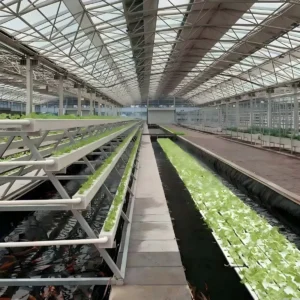
Land scarcity is another pressing issue, particularly near urban centers where demand for fresh produce is highest. Hydroponic operations can be vertically stacked, maximizing production in a fraction of the footprint required by conventional farms. Urban vertical farms, warehouse gardens, and rooftop installations demonstrate how this scalable approach brings food production closer to consumers—reducing transportation emissions and ensuring fresher, more nutritious yields.
Commercial Hydroponics and Food Security
As the global population edges toward 10 billion by mid-century, ensuring reliable food supplies has never been more critical. Commercial hydroponic systems play a pivotal role in bolstering food security by enabling year-round production regardless of external climate conditions. These systems can be established in regions previously deemed unsuitable for agriculture—deserts, arctic zones, and densely populated urban cores—opening new frontiers for local food cultivation.
Localizing food production through hydroponics also shortens supply chains, cutting transportation times and reducing spoilage. Consumers gain access to fresher produce with a longer shelf life, while producers see improved margins by bypassing intermediaries. This increased resilience against supply shocks—whether due to extreme weather, geopolitical unrest, or pandemics—positions commercial hydroponic systems as indispensable tools in safeguarding global food availability and stability.
Embracing the Future: Commercial Hydroponics as the Agricultural Backbone
The integration of a commercial hydroponic system marks a transformative step toward a sustainable agricultural paradigm. By marrying resource efficiency, precision control, and technology, hydroponics redefines what’s possible in food production and paves the way for resilient, high-yield farming systems.
As we confront the challenges of climate change and population growth, adopting these innovative solutions will be essential for meeting global food demands while preserving our planet. The future of farming is here—and it’s powered by commercial hydroponics.
