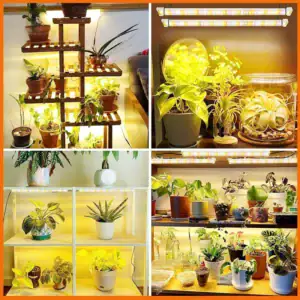



Imagine stepping into your home and being greeted by a lush oasis of greenery, a space where nature thrives effortlessly without the need for soil. This isn’t a scene from a sci-fi movie but a reality you can create with an indoor hydroponic garden. As urban living increasingly confines us to smaller spaces, and our busy lives leave little room for traditional gardening, hydroponics offers a perfect blend of modern technology and nature’s bounty, right at your fingertips.
With indoor hydroponic gardens, you can cultivate anything from fresh herbs to vibrant vegetables year-round, regardless of outdoor weather conditions. This innovative gardening method liberates you from seasonal restrictions and the limitations of urban living. Plus, it’s a sustainable practice that uses less water than conventional gardening. Are you ready to embark on this exciting adventure of transforming your home into a thriving green sanctuary? Let’s dive into how you can start your own indoor hydroponic garden and enjoy the fruits (and veggies) of your labor all year long.

Selecting the Ideal Hydroponic System for Your Space
Choosing the right hydroponic system is the first step in establishing a successful indoor hydroponic garden. Space constraints, plant types, and budget all factor into which system will best suit your needs. For beginners, a simple Deep Water Culture (DWC) setup—where plant roots dangle directly into a nutrient-rich reservoir—offers an easy-to-manage solution. DWC units are widely available as countertop kits or small-scale units that fit on a kitchen windowsill, making them an excellent choice if you’re tight on space.
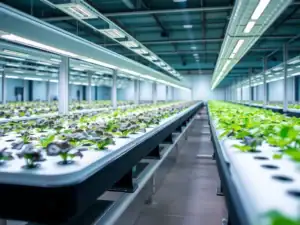
If you have a bit more room or want to experiment with a larger variety of plants, consider Nutrient Film Technique (NFT) or Ebb and Flow systems. NFT channels allow a thin film of nutrient solution to flow past roots in sloped pipes, while Ebb and Flow setups periodically flood trays before draining back into the reservoir. Vertical towers and aeroponic misting systems are also gaining popularity for dense urban environments, offering maximum yields in minimal square footage. By evaluating your indoor footprint and desired crop yield, you’ll find a نظام الزراعة المائية that transforms any corner of your home into a verdant paradise.
Essential Components Needed for Setting Up Your Hydroponic Garden
Every thriving indoor hydroponic garden relies on a handful of core components. The reservoir holds and circulates the nutrient solution, while a submersible pump moves that solution through the system. An air pump and air stone work in tandem to oxygenate the water, ensuring roots receive ample air to prevent rot. You’ll also need net pots or grow trays to support your plants’ roots, filled with an inert growing medium such as clay pebbles, coconut coir, or rockwool.
Lighting is another critical piece of the puzzle. Full-spectrum LED grow lights have become the gold standard, delivering energy-efficient illumination that mimics sunlight’s wavelengths. Pair your lights with a timer to maintain consistent light and dark cycles—generally 14–16 hours of light for leafy greens and 10–12 hours for fruiting plants. Finally, invest in a reliable pH and EC (electrical conductivity) meter to monitor nutrient strength and acidity levels, ensuring your plants always have optimal growing conditions.
Beyond these essentials, consider extras like mounting racks for vertical installations, temperature gauges to track ambient and solution temperatures, and backup batteries for your timers in case of power outages. With all these components in place, your indoor hydroponic garden will be well-equipped to support flourishing crops of lettuce, basil, tomatoes, and more.
Nutrient Solutions: Nourishing Your Plants for Optimal Growth
At the heart of any indoor hydroponic garden lies the nutrient solution—a carefully balanced mix of macro- and micronutrients that feed your plants without soil. Key macronutrients include nitrogen (N) for leafy growth, phosphorus (P) for root and flower development, and potassium (K) for overall health and disease resistance. Secondary nutrients like calcium, magnesium, and sulfur play supporting roles, while trace elements such as iron, manganese, and zinc prevent deficiencies and ensure vibrant, healthy foliage.
Pre-formulated hydroponic nutrient blends simplify the process, offering “all-in-one” solutions for different plant stages: vegetative growth and flowering/fruiting. Follow the manufacturer’s dosage instructions, adjusting concentration based on plant size, water temperature, and growth rate. If you prefer a DIY approach, stock up on individual nutrient salts and create custom blends: start with base nutrients, then fine-tune ratios with chelated trace elements. Always mix nutrients in clean, lukewarm water, and allow the solution to circulate for 30 minutes before checking pH and EC levels.
Regular reservoir maintenance is crucial. Replace your nutrient solution every 7–14 days to prevent imbalances, salt buildup, and microbial growth. During each change, perform a full system flush with pH-balanced water, then remix your nutrients fresh. By keeping your solution fresh and balanced, your indoor hydroponic garden will deliver robust growth, higher yields, and superior flavor in every harvest.
Monitoring and Maintaining Proper pH Levels in Your Hydroponic System
Maintaining the correct pH range is essential for nutrient uptake in any indoor hydroponic garden. Most plants thrive when the solution pH stays between 5.5 and 6.5—too low, and nutrients like calcium and magnesium become less available; too high, and iron, manganese, and phosphorus can precipitate out of solution. Regular pH monitoring helps prevent nutrient lockout, deficiencies, and stunted growth.
To measure pH, invest in a reliable digital pH meter or quality test strips. Check your solution daily, especially after topping off with water or adding fresh nutrients. If adjustments are needed, use pH up (potassium hydroxide) or pH down (phosphoric acid) solutions—add drops gradually, stir, and re-test until you reach the target range. Remember that nutrient concentration and temperature can also influence pH, so always calibrate your meter regularly and account for any extreme fluctuations.
Beyond pH, keep an eye on water temperature (65–75°F/18–24°C) and electrical conductivity (EC) to gauge nutrient strength. A sudden pH drift often signals a depleted or contaminated reservoir, so commit to full solution changes every two weeks and periodic system cleaning. With diligent monitoring and timely adjustments, your hydroponic setup will remain a stable environment where roots can absorb nutrients efficiently, driving vigorous growth and bountiful harvests.
Conclusion: Embracing the Green Revolution at Home
Transforming your living space into an indoor hydroponic garden isn’t just a trend—it’s an investment in your health, sustainability, and enjoyment. By selecting the right system, assembling quality components, and mastering nutrient and pH management, you’ll create a self-contained oasis that produces fresh, flavorful produce year-round.
Whether you’re a seasoned gardener or a curious beginner, harnessing hydroponics allows you to embrace the green revolution from the comfort of your home. So gather your supplies, set up your system, and watch as your indoor hydroponic garden flourishes—one vibrant leaf at a time.