






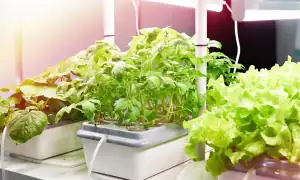
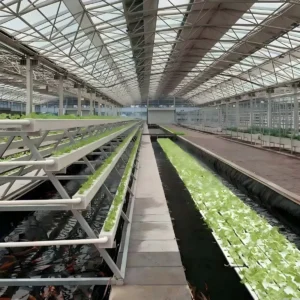

Hydroponics is an innovative method of growing plants without soil, using nutrient-rich solutions instead. As this system relies on water to provide nutrients to plants, one might wonder if air flow is necessary. The short answer is yes. Air flow plays a crucial role in hydroponic systems, primarily by ensuring adequate oxygen supply to plant roots. In this article, we’ll explore why air flow is essential, how it benefits your plants, and how to effectively incorporate it into your hydroponic setup.
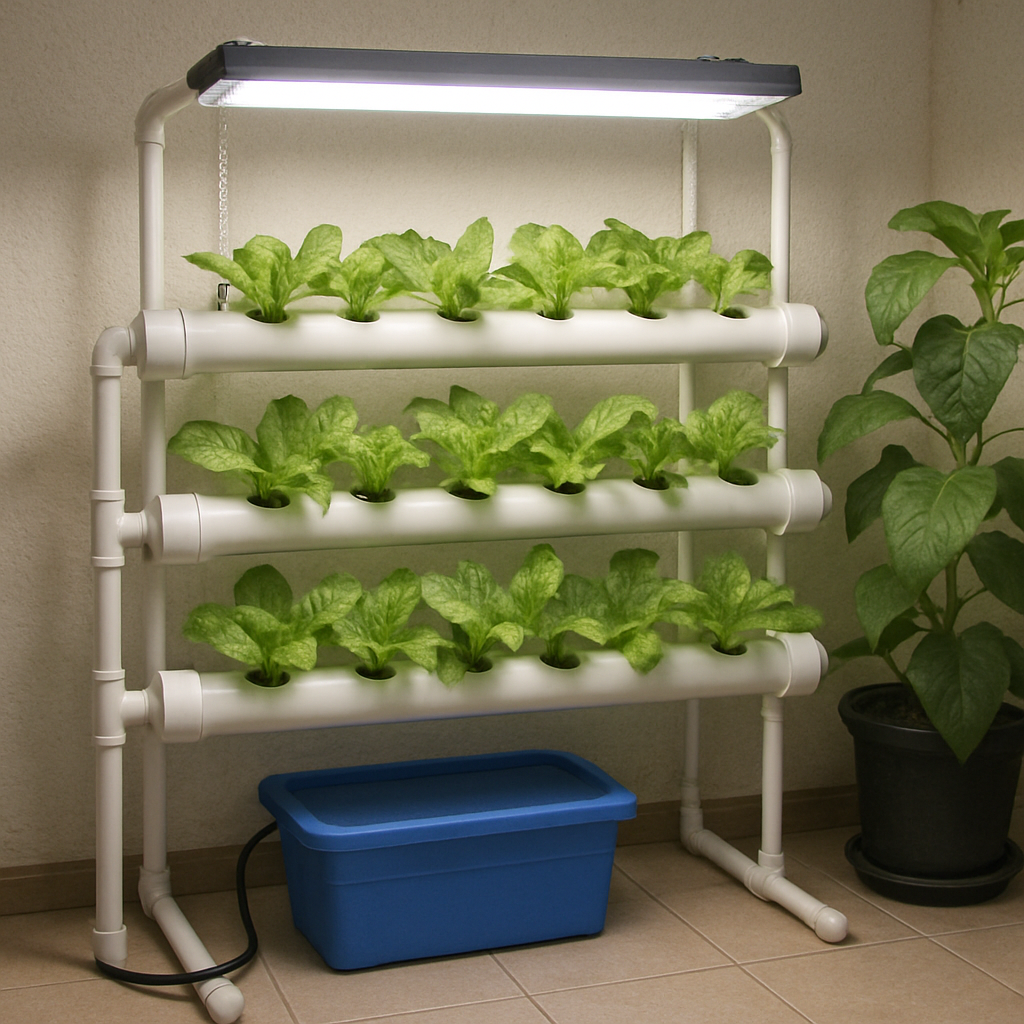 Air flow in a hydroponic system serves several key purposes. It helps maintain a healthy environment for plant growth by:
- Providing Oxygen to Roots: Roots need oxygen to absorb nutrients and water effectively. Without adequate oxygen, plants can suffer from oxygen deprivation, leading to stunted growth or even plant death.
- Preventing Root Rot: Stagnant water can lead to root rot, a common issue in hydroponic systems. Proper air flow helps keep the water moving and oxygenated, reducing the risk of root rot.
- Regulating Temperature and Humidity: Consistent air flow helps maintain stable temperature and humidity levels, which are crucial for plant health.
- Promoting Gas Exchange: Good air circulation facilitates the exchange of gases like carbon dioxide and oxygen, contributing to a healthier growing environment.
The Role of Dissolved Oxygen
Dissolved oxygen (DO) is the amount of oxygen available in the water for plant roots. In hydroponic systems, maintaining an adequate level of dissolved oxygen is vital for optimal plant growth. Here’s why:
- Facilitates Nutrient Uptake: Oxygen is necessary for the roots to uptake nutrients from the solution. Higher levels of dissolved oxygen increase nutrient absorption efficiency.
- Enhances Plant Growth: Plants with access to sufficient dissolved oxygen often grow faster and healthier compared to those with limited oxygen supply.
- Prevents Anaerobic Conditions: Low oxygen levels can lead to anaerobic conditions, promoting the growth of harmful bacteria and pathogens.
Methods to Enhance Air Flow in Hydroponic Systems
 Using Air Pumps
 Using Air Pumps
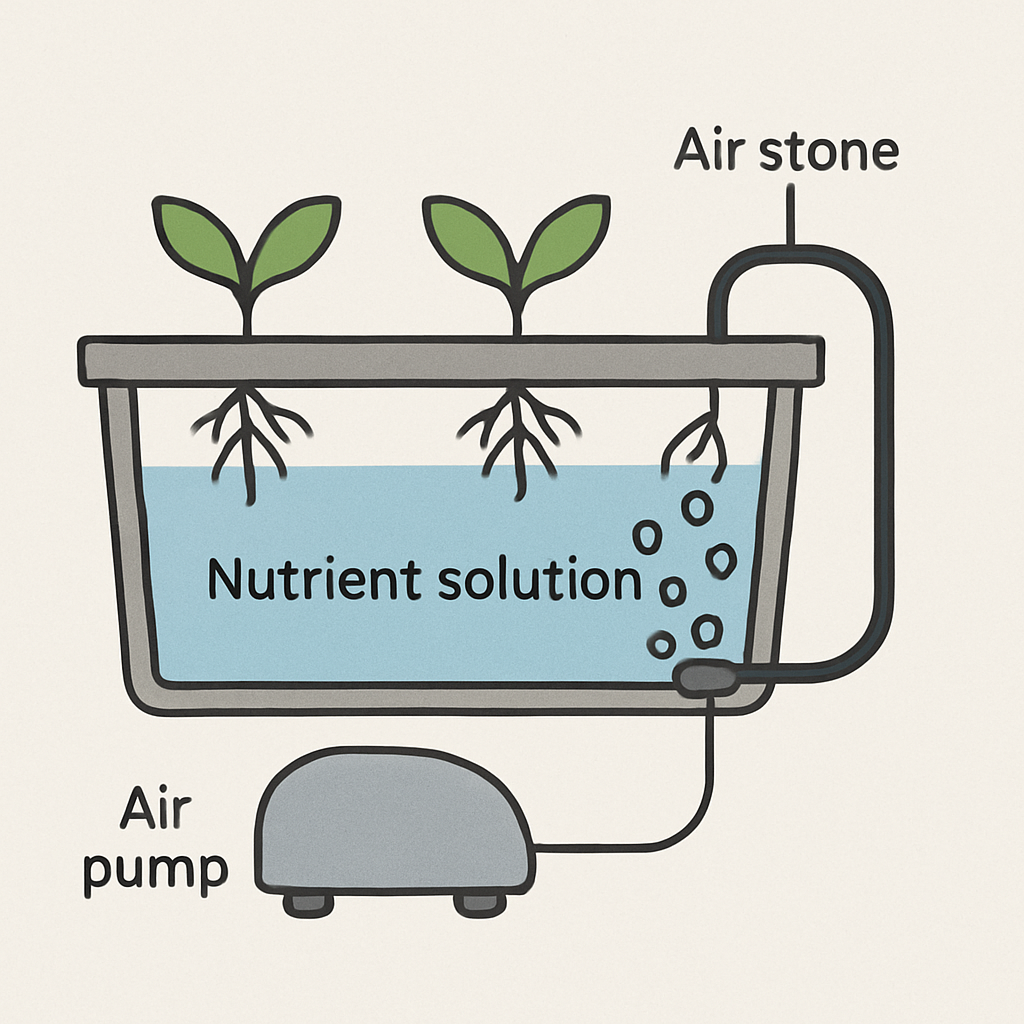
Air pumps are a popular solution for improving air flow in hydroponic systems. They work by pumping air into the nutrient solution, increasing the dissolved oxygen levels. Here’s how to use them effectively:
- Select the Right Air Pump: Choose an air pump with enough power to oxygenate the entire system. The size of the air pump should match the volume of your hydroponic system.
- Use Air Stones: Connect the air pump to air stones, which diffuse air into tiny bubbles. This increases the surface area for oxygen exchange, improving oxygenation.
- Position Air Stones Correctly: Place air stones at the bottom of the reservoir for maximum efficiency in oxygen distribution.
Ensuring Proper Ventilation
Proper ventilation ensures a continuous supply of fresh air, which is vital for maintaining optimal humidity and temperature levels. Consider the following tips:
- Install Fans: Use fans to circulate air throughout the growing area. This helps prevent hot spots and maintains a consistent climate.
- Create Ventilation Openings: Ensure your growing area has adequate ventilation openings for air exchange. This helps remove excess heat and humidity.
- Monitor Environmental Conditions: Regularly check temperature and humidity levels to ensure they remain within optimal ranges for your plants.
Specific Systems: Deep Water Culture (DWC)
Deep Water Culture (DWC) is a type of hydroponic system where plant roots are submerged in a nutrient-rich solution. In DWC, air flow is even more critical. Here’s why:
- Constant Submersion: Since roots are constantly submerged, ensuring adequate oxygenation is crucial to prevent root suffocation.
- DWC Air Pumps: Using a powerful air pump in DWC systems is essential. It keeps the water oxygenated and prevents stagnation.
- Regular Maintenance: Clean and maintain air stones and pumps to ensure they function effectively and don’t get clogged.
Conclusion: Meeting Hydroponic Airflow Requirements

Ensuring proper air flow in a hydroponic system is essential for healthy plant growth. By maintaining adequate oxygen levels, preventing root rot, and promoting gas exchange, you create an environment where plants can thrive. Whether you’re using air pumps, fans, or a combination of methods, understanding the importance of air flow and how to implement it effectively can make all the difference in your hydroponic success.
Incorporate these strategies into your hydroponic setup and watch your plants flourish with improved health and vitality. Remember, the key to successful hydroponics is not just about the nutrients—it’s also about providing the right conditions for plants to grow. By focusing on air flow, you’re taking a significant step towards achieving this balance.
