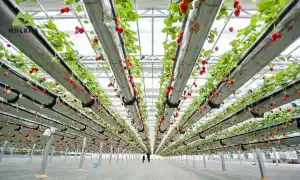


The rise of urban farming has ushered in innovative ways to cultivate plants in small spaces. One such innovation is the hydroponic rack system. This method of gardening is not just space-efficient; it also offers numerous benefits for both novice and experienced gardeners. In this article, we’ll explore the advantages of hydroponic rack systems and why they are becoming a popular choice for urban and indoor farming.
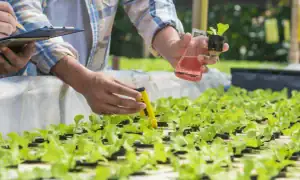
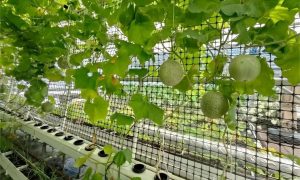
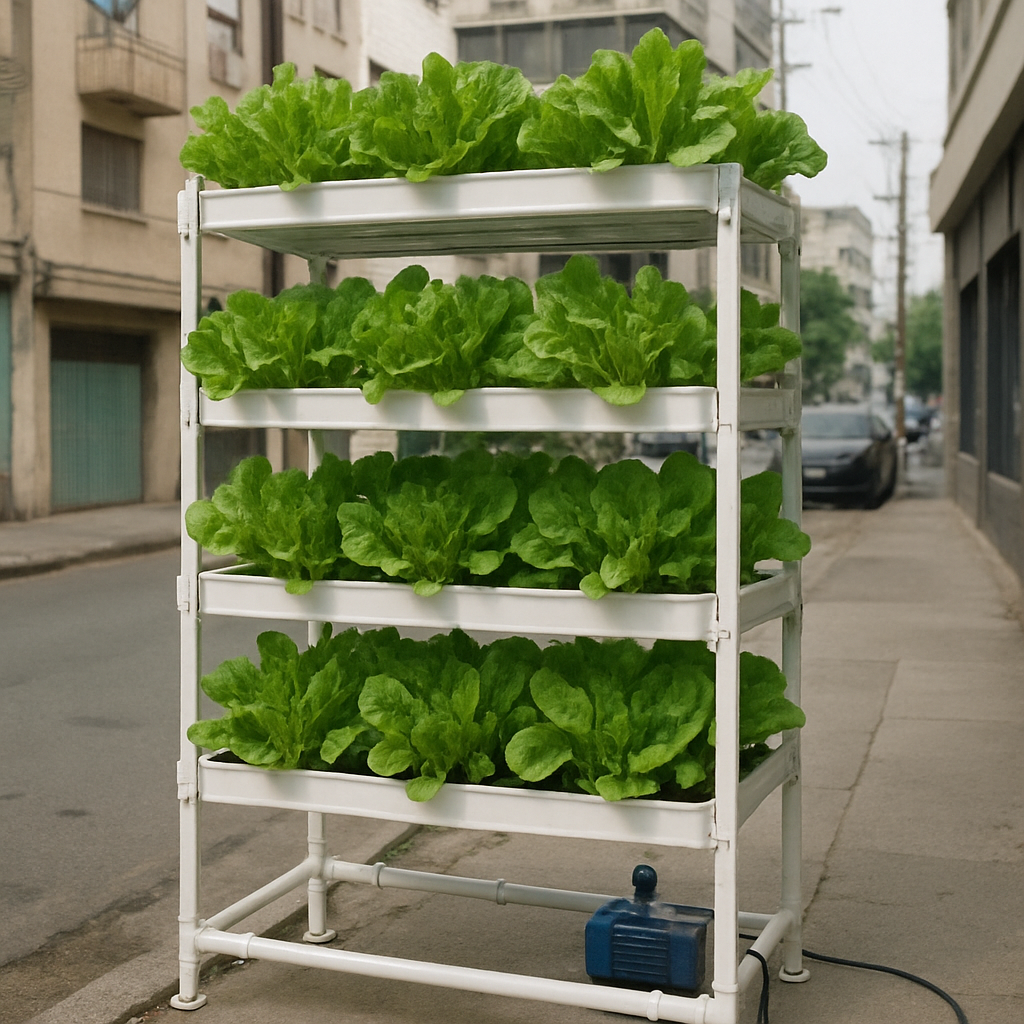 Hydroponic rack systems are a form of vertical farming that allows plants to grow without soil. Instead, plants are grown in nutrient-rich water solutions, with their roots supported by inert mediums such as perlite, coconut coir, or rock wool. These systems are often structured as racks or shelves, enabling multiple layers of plants to be cultivated in a vertical setup.
Space-Saving Hydroponics
One of the most significant advantages of hydroponic rack systems is their space-saving potential. Traditional gardening requires a considerable amount of land, which can be a limitation in urban environments. However, vertical hydroponic racks maximize vertical space, allowing gardeners to grow a large number of plants in a relatively small area. This makes them an excellent choice for city dwellers who may only have a balcony or small patio to work with.
Advantages of Multi-Layer Hydroponics
Increased Yield
Multi-layer hydroponics can significantly increase the yield of a garden. By stacking plants vertically, you can grow more plants than you would with traditional horizontal gardening. This layered approach not only maximizes space but also increases the number of crops you can harvest, making it a highly efficient system.
Efficient Use of Resources
Hydroponic systems are designed to recycle water and nutrients, making them more efficient than traditional gardening methods. In a hydroponic rack system, water and nutrients are circulated through the system, ensuring that plants receive the nourishment they need without waste. This recycling process reduces water usage by up to 90% compared to soil-based gardening.
 Better Control Over Growing Conditions
 Better Control Over Growing Conditions
With hydroponic systems, gardeners have greater control over the growing conditions. Factors such as nutrient concentration, pH levels, and light exposure can be precisely regulated, allowing for optimal plant growth. This control results in healthier plants and can lead to faster growth rates and higher yields.
The Role of Vertical Farming Racks in Urban Farming
Urban Farming Revolution
Vertical farming racks are playing a pivotal role in the urban farming revolution. As cities become more densely populated, the need for sustainable food sources grows. Hydroponic rack systems offer a viable solution by enabling food production in urban settings. They can be installed in various locations, such as rooftops, basements, and even inside apartments, making fresh produce accessible to urban residents.
Reducing the Carbon Footprint
By growing food locally using hydroponic rack systems, urban farmers can reduce the carbon footprint associated with transporting produce from rural areas to cities. This not only cuts down on transportation emissions but also ensures that consumers have access to fresh, nutritious food.
Exploring Different Types of Hydroponic Rack Systems
Indoor Hydroponic Racks
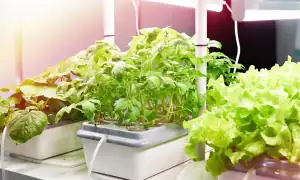
Indoor hydroponic racks are ideal for year-round gardening. With the ability to control environmental factors such as temperature and light, gardeners can cultivate a wide variety of plants regardless of the season. Indoor systems are perfect for growing herbs, leafy greens, and even small fruiting plants like tomatoes and peppers.
NFT Rack System
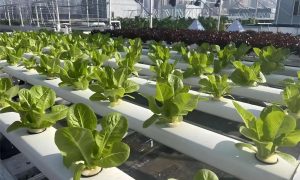
The Nutrient Film Technique (NFT) rack system is a popular type of hydroponic setup. In an NFT system, a thin film of nutrient-rich water flows continuously over the roots of plants, providing them with the necessary nutrients and oxygen. This type of system is particularly effective for growing leafy greens and herbs, as it encourages rapid growth and high yields.

Setting Up Your Hydroponic Shelving System
Selecting the Right Equipment
When setting up a hydroponic shelving system, it’s essential to choose the right equipment. Look for sturdy racks that can support the weight of multiple plants and water reservoirs. Additionally, invest in high-quality grow lights to ensure your plants receive adequate light, especially if your system is indoors.
Maintaining Your Hydroponic System
Proper maintenance is crucial for the success of a hydroponic rack system. Regularly check the nutrient solution levels and adjust them as necessary. Keep an eye on pH levels and make adjustments to maintain the ideal range for your plants. Clean the system regularly to prevent the buildup of algae and pathogens, which can harm your plants.
Troubleshooting Common Issues
While hydroponic systems are generally low-maintenance, issues can still arise. Common problems include nutrient deficiencies, pests, and diseases. To troubleshoot these issues, monitor your plants closely for signs of stress, such as yellowing leaves or stunted growth. Address any problems promptly to ensure the health and productivity of your garden.
Conclusion
Hydroponic rack systems offer a modern solution to the challenges of urban and indoor gardening. By maximizing space and efficiently using resources, these systems provide a sustainable way to grow a wide variety of plants. Whether you’re a seasoned gardener or a beginner looking to start your own urban farm, hydroponic rack systems can help you achieve your gardening goals. With their numerous benefits, it’s no wonder that more and more people are turning to this innovative method to cultivate fresh, healthy produce.