




Imagine a world where you can cultivate fresh vegetables and vibrant flowers all year round, regardless of the season’s whims. For many gardeners, mastering their garden’s microclimate within a polytunnel is the key to unlocking this horticultural dream. A polytunnel cover isn’t just a sheet of material; it’s the cornerstone of your gardening success, dictating the environment within and ultimately influencing your harvest’s quality and quantity.
Choosing the right polytunnel cover could mean the difference between a bountiful yield and a disappointing crop. With so many options available—each promising unique benefits tailored to various climates and plants—making an informed decision becomes crucial. In this post, we’ll delve deep into the best tips for polytunnel cover selection, equipping you with the knowledge to create the perfect haven for your cherished plants. Get ready to cultivate a thriving oasis, even when Mother Nature doesn’t play along.

Understanding Your Garden’s Microclimate
Your garden’s microclimate refers to the localized climate conditions that exist in and around your polytunnel structure. Unlike the broader regional climate, microclimates can vary significantly even within a few feet. Factors such as tunnel orientation, surrounding structures, wind exposure, and ground material all influence temperature, humidity, and air movement. For example, a north-facing polytunnel may receive less direct sunlight in the morning, leading to cooler interior temperatures early in the day, whereas a south-facing structure will heat up rapidly when the sun climbs.
Temperature fluctuations between day and night can stress plants if not managed correctly. Daytime highs under a polytunnel cover can exceed outside temperatures by 10–15°F (5–8°C), while nighttime lows may be slightly moderated by the tunnel walls. Humidity levels can rise quickly in a sealed environment, increasing the risk of fungal issues such as powdery mildew. Understanding how ventilation, soil moisture, and external weather patterns interact within your tunnel is crucial to maintaining healthy growing conditions.
By carefully observing your tunnel’s microclimate—tracking temperature and humidity with simple sensors—you’ll gain insights into ideal cover characteristics. A thicker plastic film might retain more heat on cold nights, but could also reduce light transmission. Conversely, a highly diffusive cover might improve light distribution for seedlings but lead to faster heat loss. Armed with this knowledge, you’ll be better positioned to select the perfect polytunnel cover that balances warmth, light, and ventilation for your specific setup.
Types of Polytunnel Covers
Not all polytunnel covers are created equal. Each material offers distinct advantages in terms of durability, light diffusion, insulation, and UV resistance. Identifying which type best suits your needs depends on your climate, plant choices, and budget.
Below, we explore three of the most popular cover options, detailing their characteristics and ideal applications.
Standard Polythene Film
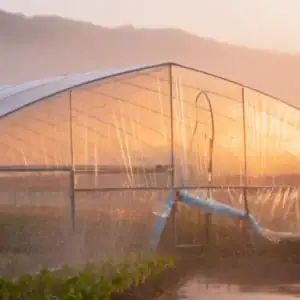
Standard polythene film is one of the most cost-effective and commonly used polytunnel covers. Made from polyethylene, this single-layer cover provides good light transmission—often up to 90%—and basic protection against wind and rain. Its flexibility allows for easy installation and removal, making it ideal for seasonal use or gardeners who change cover thickness as temperatures fluctuate. However, standard polythene typically has a lifespan of one to three years, depending on UV exposure and local weather extremes.
While affordability is a major draw, gardeners should be aware that this film offers minimal insulation compared to thicker or multi-layer options. During cold snaps, interior temperatures can plummet nearly as quickly as outdoor conditions, so additional heating or thermal blankets may be necessary for frost-sensitive crops. Standard film also tends to crease and sag over time, which can create pockets where water collects, leading to potential canopy collapse or plant damage. Despite these drawbacks, its ease of handling and low upfront cost make it a solid choice for beginners or those on a tight budget.
UV-Stabilized Polythene Film
UV-stabilized polythene film is enhanced with additives that absorb or scatter harmful ultraviolet rays, protecting both the cover material and the plants beneath. With improved UV resistance, this type of film can last up to five years under normal conditions, offering long-term value for serious gardeners. In addition to durability, UV-stabilized films often feature light-diffusing properties, which help distribute sunlight more evenly across the growing area and reduce hot spots that can scorch delicate leaves.
These covers strike a balance between insulation and light transmission, typically permitting 85–90% of visible light while blocking up to 99% of damaging UV-B rays. The reduced ultraviolet exposure helps prevent crop sunburn, slows down the aging and degradation of tools and benches, and minimizes color fading in flowers. On the downside, UV-stabilized films come at a premium price point compared to standard polythene. Installation requires careful tensioning to prevent sagging, and, like all plastic films, they may become brittle in extremely cold conditions. Still, the extended lifespan and protective benefits often justify the higher investment.
Multi-Wall Polycarbonate Panels
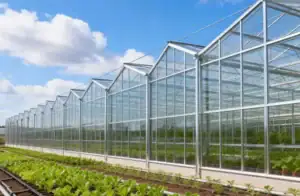
Multi-wall polycarbonate panels represent a more permanent and robust polytunnel cover solution. Constructed from interlocking sheets of polycarbonate, these panels create insulating air pockets that significantly boost thermal performance. Their rigid structure can withstand heavy snow loads, high winds, and hailstorms, making them ideal for year-round cultivation in harsh climates. Light transmission rates vary from 70% to 90%, depending on panel thickness and wall configuration, while the material inherently blocks harmful UV radiation without the need for additional coatings.
The high upfront cost of polycarbonate panels is offset by their durability and lifespan, often exceeding 10 years. Maintenance is minimal—panels resist yellowing, cracking, and warping over time. They also offer excellent light diffusion, encouraging uniform plant growth and reducing shadowed areas. The primary drawbacks include more complex installation processes, heavier structural requirements, and reduced flexibility if you want to expand or relocate your tunnel. Despite these considerations, multi-wall polycarbonate remains a top choice for commercial growers and dedicated hobbyists seeking a low-maintenance, high-performance polytunnel cover.
Climate Considerations: Matching Covers to Your Region
When selecting a polytunnel cover, understanding your regional climate is paramount. In temperate zones with mild winters and warm summers, a UV-stabilized polythene film may suffice, offering a long service life without excessive insulation. Conversely, gardeners in colder regions should prioritize materials with high R-values—such as multi-wall polycarbonate or double-layered polythene systems inflated with air—to retain heat during frosty nights. For areas prone to sudden temperature drops, consider pairing your cover with thermal screens or frost cloth for additional protection.
In hot, sunny climates, light diffusion becomes as important as insulation. Excessive solar gain can elevate interior temperatures to harmful levels, stressing plants and increasing water demand. Light-diffusing films or prismatic covers help scatter intense sunlight, reducing hotspots while still providing adequate brightness. Additionally, covers with built-in solar shading—offering 20–30% light reduction—can stave off heat stress during peak summer months. Many UV-stabilized polythene products include tinted or white-insert options that reflect infrared radiation, keeping the tunnel cooler.
Rainfall and humidity patterns also play a role in cover choice. High-moisture environments may benefit from breathable membranes or anti-drip coatings that prevent condensation from dripping onto foliage, which can cause fungal outbreaks. In contrast, arid regions might require tightly sealed polytunnel covers combined with misting or fogging systems to maintain adequate humidity levels. By evaluating temperature ranges, solar intensity, and precipitation trends in your area, you can select a polytunnel cover that harmonizes with local conditions and optimizes plant performance.
Light Transmission: Maximizing Plant Growth
Light is the primary driver of photosynthesis, making effective light transmission through your polytunnel cover critical for robust plant development. A cover’s clarity and diffusion properties dictate how much light reaches your crops and how evenly it’s distributed. Transparent films and clear polycarbonate panels offer the highest transmission rates—often above 90%—but may create harsh shadows and sunflecks that can lead to uneven growth or leaf scorch.
To counteract these issues, many gardeners choose light-diffusing covers. These materials scatter incoming rays, softening intense sunlight and illuminating lower foliage layers. Diffusion increases photosynthetic efficiency, as plants receive more uniform illumination throughout the canopy. This is particularly beneficial for high-density plantings, such as seedling trays or leafy greens. When comparing polytunnel cover options, look for diffusion ratings and tests that quantify uniformity gains.
Another consideration is seasonal adjustment. In winter, maximizing raw light transmission is critical to compensate for shorter days and lower sun angles. A clear, thin polythene film may be ideal during these months. In contrast, summer often demands diffusive or shaded covers to prevent overheating. Adjustable shading nets—installed under the main cover—allow you to tailor light levels throughout the year. By strategically selecting and rotating covers based on seasonal light and temperature patterns, you can maintain optimal growing conditions year-round.
UV Protection: Shielding Plants from Harmful Rays
Ultraviolet radiation, especially UV-B (280–315 nm), can damage plant tissues, inhibit photosynthesis, and cause leaf discoloration. A quality polytunnel cover should block or reduce these harmful wavelengths while still transmitting essential light for growth. Most polyethylene films are treated with UV stabilizers that absorb damaging radiation, extending both the cover’s lifespan and the health of your crops.
UV protection also benefits the structural integrity of your tunnel. Untreated plastics degrade rapidly under continuous sun exposure, becoming brittle and prone to tearing. UV-resistant covers maintain flexibility and tensile strength for years, reducing replacement frequency. Some polycarbonate panels inherently block up to 99% of UV radiation, eliminating the need for additional coatings. This dual function safeguards both plants and equipment from premature aging.
For sensitive crops—such as delicate ornamentals or seedlings—consider covers with higher UV-blocking capabilities or supplemental shading fabrics. These barriers mitigate stress responses like stunted growth or chlorosis. Always check manufacturer specifications for UV transmission rates and expected material longevity. By investing in a cover with robust UV protection, you’ll foster healthier plants, extend cover service life, and ultimately maximize your return on investment in your polytunnel system.
Conclusion: Mastering Your Garden’s Microclimate with the Right Polytunnel Cover
Selecting the ideal polytunnel cover involves balancing factors like insulation, light transmission, UV protection, and regional climate demands. By understanding your tunnel’s microclimate and evaluating cover types—from cost-effective polythene films to durable polycarbonate panels—you can tailor an environment that optimizes plant health and yield.
Whether you’re combating chilly winters or scorching summers, the right cover transforms your polytunnel into a year-round growing powerhouse. Armed with these best tips, you’re now ready to make an informed choice and cultivate a thriving oasis in any weather.
