

Imagine walking into a bustling urban area and finding, amidst the concrete jungle, a vibrant oasis of fresh produce thriving not in sprawling fields but inside repurposed shipping containers. This isn’t a scene from a sci-fi film; it’s the innovative and increasingly popular reality of the container farm. As our global population surges and climate change threatens traditional farming practices, the agriculture industry is searching for sustainable solutions. Container farming offers a remarkable alternative by transforming urban spaces into productive green areas, challenging conventional agricultural boundaries.
Container farms are revolutionizing how we grow and consume food. These compact, efficient systems allow crops to be cultivated year-round with minimal environmental impact, utilizing resources such as water and energy in groundbreaking ways. As we dive deeper into this exciting evolution of agriculture, we’ll explore how the rise of the container farm is reshaping food production, enhancing local food security, and offering a glimpse into an eco-friendlier future. Get ready to uncover a farming innovation that’s poised to change the world, one container at a time.

The Concept of Container Farming
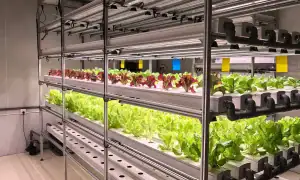
At its core, a container farm is a fully enclosed, self-contained agricultural system built inside a repurposed shipping container. These units are retrofitted with climate controls, lighting, irrigation systems, and shelving to create an optimized environment for plant growth. By stacking trays or racks vertically, container farms maximize yield per square foot and require far less land than traditional fields. This modular approach also allows operators to deploy farms almost anywhere—downtown rooftops, parking lots, or remote communities—eliminating the need for long supply chains.
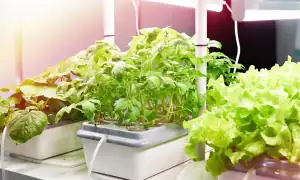
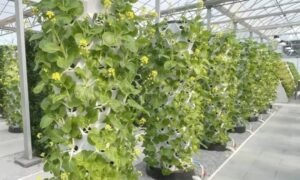
Key to the concept is precision: temperature, humidity, CO2 levels, and light spectra are all closely monitored and adjusted through automated controls. Many container farms rely on hydroponic or aeroponic systems, which use nutrient-rich water solutions or mist instead of soil. This method can cut water usage by up to 90% compared to field agriculture and shortens growth cycles. As a result, fresh greens, herbs, and even strawberries can be harvested in weeks rather than months.
Moreover, the container farm concept supports scalability and customization. Operators can start with a single 40-foot unit and expand by adding more containers, effectively “building out” a larger operation as demand grows. They can also tailor each container’s environment to different crop types, running leafy greens in one module and microgreens in another. This flexibility makes container farming a compelling solution for restaurants, grocery stores, and institutions seeking hyper-local produce with minimal transport and spoilage.
Technology Behind Container Farms
Container farms hinge on cutting-edge technologies to maintain optimal growing conditions. Central to these systems are LED grow lights that deliver specific light spectra to encourage photosynthesis and regulate plant development. Unlike conventional greenhouse lights, LEDs use significantly less energy, emit less heat, and can be tuned to the needs of different crops—blue light for leaf growth, red for flowering, and so on.
Sensors and automation software form the nervous system of the container farm. Environmental sensors track temperature, humidity, CO2 concentration, and nutrient levels in real time. Data from these sensors feed into a central control unit or cloud-based platform, which adjusts HVAC settings, lighting schedules, and irrigation pumps automatically. This technology ensures consistent crop quality and reduces labor requirements, allowing a small team to manage multiple containers with minimal manual intervention.
IoT connectivity and data analytics further optimize operations. By collecting performance data—growth rates, resource consumption, yield metrics—growers can fine-tune recipes and troubleshoot issues before they impact production. Advanced containers may also integrate machine-learning algorithms to predict the best growing conditions, forecast maintenance needs, and even automate harvest scheduling. This convergence of hydroponics, LED lighting, and smart controls epitomizes how modern technology empowers the container farm revolution.
Sustainability in Container Farming
Container farms boast significant sustainability advantages over traditional agriculture. Closed-loop water systems recirculate up to 95% of irrigation water, drastically cutting consumption and reducing runoff of fertilizers and pesticides. This efficient water use is critical in drought-prone regions where conventional farms struggle to meet demand.
Energy efficiency is also central. While artificial lighting and HVAC systems require power, many operators offset grid usage by installing solar panels or purchasing renewable energy credits. LED fixtures, when paired with smart climate controls, can lower overall energy consumption by up to 60% compared to conventional greenhouse setups. Additionally, reduced transportation distances—from farm to city market—shrink the carbon footprint associated with food logistics.
Waste reduction is another hallmark of container farming. Precise control over nutrient delivery and plant spacing minimizes spoiled or underdeveloped produce. Organic byproducts like spent growth media and plant trimmings can be composted or reused. Because containers are isolated environments, the need for chemical pesticides is virtually eliminated, resulting in healthier, chemical-free harvests. Taken together, these factors make the container farm a sustainable model for the future of food production.
Urban Agriculture and Food Security
As cities expand and arable land becomes scarcer, urban agriculture offers a vital strategy to bolster food security. Container farms can be deployed in densely populated areas, bringing production closer to consumers and creating fresh produce hubs within city limits. This proximity reduces delivery times to mere hours, ensuring peak freshness and nutritional value.
By short-circuiting traditional supply chains, container farms help buffer against food disruptions caused by extreme weather events, pandemics, or transportation bottlenecks. Community-based container farms can be established in underserved neighborhoods, providing residents with year-round access to affordable, nutrient-rich vegetables. These ventures often incorporate educational programs and job training, fostering local engagement and building resilient food ecosystems.
Moreover, urban container farms require minimal land—sometimes less than a single parking space—and no soil, making them ideal for repurposing vacant lots or rooftop areas. Partnerships between municipalities, non-profits, and private firms are proliferating, leading to initiatives that tackle both food deserts and urban blight. In this way, the container farm is not just an agricultural innovation but a tool for social impact and community revitalization.
Comparison with Traditional Farming Methods
Traditional farming relies on expansive fields, seasonal cycles, and uncontrollable environmental factors. In contrast, a container farm provides a highly controlled environment where crops grow continuously regardless of external weather or soil conditions. This translates to predictable yields and year-round production, reducing the risk of crop failures due to droughts, floods, or pests.
Resource efficiency also differs dramatically. Conventional field agriculture can consume thousands of liters of water per kilogram of produce, whereas container farms use as little as 50–100 liters. Land usage is similarly efficient: a single 40-foot container can yield up to 20,000 heads of lettuce annually, roughly equivalent to an acre of farmland. However, this advantage comes with higher upfront costs—container retrofits, LED systems, and automation technology can be capital-intensive, requiring careful financial planning and potential subsidies or financing.
Labor models vary as well. Traditional farms depend on seasonal workers, facing labor shortages and wage fluctuations. Container farms often run with lean teams, leveraging automation and remote monitoring to reduce labor hours. On the flip side, operational expertise is critical: container farm operators need technical skills in horticulture, data analysis, and facility maintenance. Ultimately, the choice between conventional fields and container-based agriculture hinges on factors like land availability, local climate, market demand, and investment capacity.
Conclusion: Embracing the Container Farm Revolution
The container farm is reshaping agriculture by offering compact, tech-driven, and sustainable solutions to feed our growing cities. By harnessing hydroponics, LED lighting, and automated controls, these systems deliver fresh, local produce year-round while conserving critical resources.
As urban populations swell and climate challenges intensify, container farms represent a powerful tool to strengthen food security, reduce environmental impact, and reinvigorate communities. Embracing this innovation today means investing in a greener, more resilient future—one container at a time.