WHAT IS DUTCH BUCKET SYSTEMS?
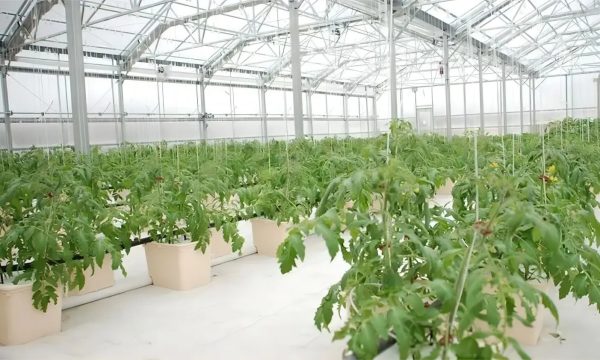
The Dutch bucket, also known as the Bato bucket system, is a hydroponic system commonly used to grow large plants. It consists of multiple buckets (usually made of plastic) filled with growing media and connected to a central irrigation system.
Dutch bucket hydroponics, also referred to as the Bato bucket method, is a highly efficient recirculating hydroponic system specifically designed for cultivating larger fruiting plants and vegetables. This innovative hydroponic setup utilizes individual buckets that provide ample root space while maintaining optimal nutrient delivery through a closed-loop irrigation system.
HOW IT WORKS?
The system starts with a dedicated reservoir, where enough water and hydroponic nutrients can be mixed to feed each bucket in the system. Pumps in the reservoir then send the water to irrigation lines. As water runs down the line, it drips out of the emitters above each bucket.
As water drops into the
growing medium in each bucket, the plants quickly absorb nutrients, and the excess water drains into the main drainage pipe. This drain brings the excess water in each bucket back to the reservoir, where it all starts again.
The Dutch bucket irrigation system operates on a recirculating principle that maximizes water and nutrient efficiency. Each bucket contains a growing medium such as perlite, clay pellets, or coco coir, which supports plant roots while allowing excellent drainage. The nutrient solution is precisely delivered through drip emitters, ensuring each plant receives the exact amount of water and nutrients needed for optimal growth. This closed-loop design makes
Dutch bucket hydroponics particularly effective for water conservation and nutrient management.
Dutch Bucket System Components
● Buckets: Typically 2-5 gallon containers with drainage holes
● Growing Medium: Perlite, clay pellets, coco coir, or vermiculite
● Irrigation System: Drip lines with emitters for precise watering
● Drainage System: PVC pipes or hoses for returning excess solution
● Reservoir: Tank for nutrient solution storage and mixing
● Water Pump: Submersible pump for circulating the nutrient solution
● Timer: Controls irrigation cycles (typically 15-30 minutes multiple times daily)
ADVANTAGES
Space Efficiency:
The system allows for easy adjustment of bucket spacing, making it highly flexible for plants of varying sizes. Growers can optimize the available space in their growing area.
Water Conservation:
Due to its recirculating nature, the system reduces water usage by approximately 30-40% compared to traditional soil-based growing methods, making it an eco-friendly option.
Improved Nutrient Use:
Nutrient efficiency is improved by 20-30%, meaning that plants absorb nutrients more effectively, reducing waste and lowering costs for growers.
Modular and Scalable:
The system’s modular design allows growers to expand or reduce the number of buckets as needed. It is adaptable for small home growers or large-scale commercial operations, making it suitable for various applications.
Easy Operation:
It is simple to set up and maintain, making it a great choice for both novice and experienced growers. Its design ensures plants are well-fed with minimal manual intervention.
Minimized Root Disease Risk:
Since each plant has its own bucket, the risk of diseases spreading through the root system is reduced compared to other hydroponic systems where plants share the same water source directly.
Dutch Bucket vs Other Hydroponic Systems
Dutch Bucket System: Ideal for large fruiting plants, excellent water conservation, individual plant isolation reduces disease spread
NFT (Nutrient Film Technique): Best for leafy greens and herbs, continuous nutrient flow, less suitable for large plants
DWC (Deep Water Culture): Simple setup, good for beginners, but limited to smaller plants and higher oxygen requirements
Aeroponics: Maximum oxygen delivery, fastest growth rates, but more complex and expensive to maintain
Ebb and Flow: Versatile for various plant sizes, periodic flooding, but requires careful timing and monitoring
Suitable for Growing (Examples)
● Tomatoes
● Cucumbers
● Eggplants
● Zucchini
● Strawberries
● Beans
The Dutch bucket system is ideal for growing large vegetables and fruiting plants, especially those that require more root space and a steady water supply.
● Peppers (bell peppers, chili peppers)
● Squash (summer squash, winter squash)
● Herbs (basil, oregano, mint in larger containers)
● Flowers (certain flowering plants that benefit from consistent moisture)
Dutch Bucket System FAQ
- Q:What is the best growing medium for Dutch bucket hydroponics?
A:The most popular growing media for Dutch bucket systems include perlite, clay pellets (hydroton), and coco coir. Perlite offers excellent drainage and aeration, clay pellets provide good support and reusability, while coco coir retains moisture well and is environmentally friendly. Many growers use a combination for optimal results in their Dutch bucket setup. - Q:How often should I water plants in a Dutch bucket system?
A:Dutch bucket irrigation typically operates on a timer system, with watering cycles occurring 4-8 times daily for 15-30 minutes each cycle. The exact frequency depends on factors like plant size, growth stage, temperature, and humidity. During vegetative growth, plants may need more frequent watering, while fruiting plants often benefit from slightly reduced frequency to encourage fruit development. - Q:Can I build a DIY Dutch bucket system at home?
A:Yes, building a DIY Dutch bucket hydroponic system is quite feasible and cost-effective. You’ll need food-grade buckets, PVC pipes for drainage, drip irrigation components, a reservoir, and a water pump. Many hydroponic enthusiasts create successful home Dutch bucket systems using readily available materials from hardware stores. This approach allows for customization and scalability based on your specific growing needs. - Q:What nutrients work best in Dutch bucket systems?
A:Dutch bucket nutrient solutions should be balanced for the specific plants you’re growing. Most commercial hydroponic nutrient formulas work well, with separate formulas for vegetative growth and flowering/fruiting stages. It’s important to maintain proper pH levels (5.5-6.5) and EC/ppm measurements. Many growers prefer three-part nutrient systems that allow precise adjustment of nitrogen, phosphorus, and potassium ratios throughout the growth cycle. - Q:How does Dutch bucket hydroponics compare to traditional soil gardening?
A:Dutch bucket hydroponics offers several advantages over traditional soil gardening: 30-40% water conservation, 20-30% improved nutrient efficiency, faster growth rates, year-round growing capability, and reduced pest and disease issues. While the initial setup cost is higher, the long-term benefits include higher yields per square foot, consistent quality, and the ability to grow in areas with poor soil quality or limited space.
Setting Up Your Dutch Bucket System: Key Considerations
Bucket Size: Choose 3-5 gallon buckets for most
fruiting vegetables. Larger plants like tomatoes may benefit from 5-gallon containers.
Spacing: Allow 12-24 inches between buckets depending on plant size and growth habits.
Drainage Slope: Ensure a slight slope (1-2%) in your drainage pipes for proper water return to the reservoir.
Reservoir Size: Plan for 2-3 gallons of nutrient solution per bucket in your system.
Lighting: For indoor setups, provide 14-18 hours of light daily during vegetative growth, reducing to 12 hours for flowering/fruiting.
Monitoring: Regularly check pH (5.5-6.5) and EC/ppm levels, adjusting nutrient concentration as plants grow.