



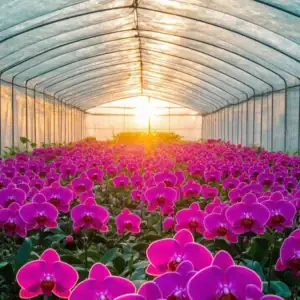

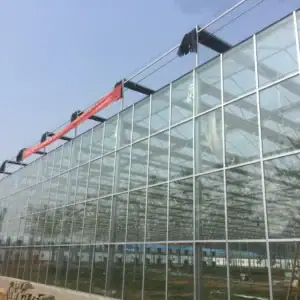
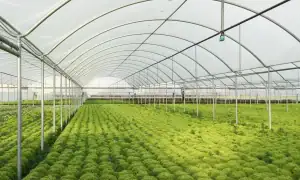



Imagine stepping into your very own indoor glass greenhouse, where the warmth of the sun filters through transparent walls and a lush tapestry of greenery surrounds you—a sanctuary of peace and natural beauty right inside your home. In our fast-paced world, many of us crave a slice of tranquility, a private retreat that brings the outdoors in and allows us to nurture a connection with nature. It’s an enticing vision, isn’t it? Crafting this serene escape requires careful planning and a touch of creativity, blending functionality with aesthetics to create your perfect indoor Eden.
But where do you begin when designing your indoor glass greenhouse oasis? With endless possibilities, it’s easy to feel overwhelmed by choices. Do you start with the structure itself, or do you dream of the vibrant plants that will populate it? This blog post will guide you through the process, offering insights and inspirations to help transform your vision into reality. From selecting the ideal location and ensuring optimal light conditions to choosing plant varieties and accessorizing your space, we’ll explore how to create a harmonious environment that not only supports plant life but also enriches your daily living experience. Get ready to dream big and design a space that speaks to your soul.

Choosing the Perfect Location for Your Indoor Glass Greenhouse
Selecting the right spot for your indoor glass greenhouse is the foundation of everything else. First, consider the availability of natural light. South- or east-facing locations tend to receive the most gentle morning sun, which is ideal for delicate seedlings and shade-loving plants. Avoid north-facing corners or spaces heavily obstructed by walls, furniture, or large trees outside, as they can limit sunlight penetration and lead to uneven growth. A room with large windows or a sunroom extension is a prime candidate, offering both visual appeal and practical horticultural benefits.
Next, assess the environmental stability of potential locations. Indoor temperatures should remain consistently between 65°F and 75°F (18°C–24°C) during the day, with slightly cooler nights to encourage healthy plant metabolism. Avoid placing your greenhouse near drafty doors, poorly insulated exterior walls, or air vents that can blast cold or hot air unpredictably. Additionally, ensure there’s enough clearance around your structure for maintenance and airflow. A little extra space—around two feet on each side—can make a big difference when moving pots, pruning, or performing routine cleanings.
Lastly, think about the room’s purpose and traffic flow. If you plan to use your oasis as a reading nook or meditation space as well as a plant haven, choose a quiet corner where you can unwind without interruptions. Proximity to a water source is also advantageous; having a sink or utility tub nearby makes watering and cleaning up soil messes much easier. By strategically choosing a location that balances light, temperature control, and practical access, you’ll set the stage for a thriving indoor glass greenhouse that feels both functional and inviting.
Designing the Ideal Structure for Your Oasis
The structure of your indoor glass greenhouse isn’t merely about aesthetics—it’s about creating a stable, durable environment that supports plant life year-round. Start by selecting materials that balance transparency, insulation, and strength. Tempered safety glass offers clarity and UV protection while standing up to humidity and temperature fluctuations. Aluminum or powder-coated steel frames provide sturdy support without rusting over time, making them a popular choice for modern, minimalist designs. For a more traditional or rustic feel, consider a wood frame treated with a water-resistant sealant and painted with light-reflective hues.
When designing the footprint, factor in both the height and floor area you’ll need. Taller structures allow for climbing vines and tiered shelving, maximizing vertical space and creating eye-catching displays. Incorporate hinged or sliding doors that open wide enough to move large pots in and out, and consider overhead roof vents or side louver windows to facilitate natural airflow. Ventilation is critical in an indoor glass greenhouse setting; it prevents excess humidity, reduces the risk of fungal diseases, and ensures plants receive fresh CO₂ for photosynthesis.
Don’t forget to integrate practical features like built-in shelving, potting benches, and drainage channels. Custom shelving systems can be designed with adjustable heights to accommodate seedlings, midsize plants, and tall specimens all in one cohesive layout. A built-in bench with a waterproof surface simplifies potting tasks, while discreet channels in the floor or a removable tray can collect excess water, keeping the space clean and safe. Thoughtful structural design transforms your indoor glass greenhouse from a simple plant enclosure into a fully functional oasis tailored to your gardening style and space constraints.
Creating an Optimal Lighting Environment
Natural sunlight is the lifeblood of any indoor glass greenhouse, but relying solely on ambient daylight can leave shaded corners and cloudy days less productive. Supplementary lighting bridges this gap, ensuring consistent growth and vibrant foliage. LED grow lights are the go-to option for most hobbyists and professionals alike; they emit targeted light spectra that mimic the sun’s beneficial wavelengths while running cool and energy-efficient. Position adjustable LED fixtures above shelving or hanging baskets to deliver uniform illumination at every level.
To design a balanced lighting scheme, first map out areas by daily light intensity. Place plants with high light requirements—succulents, citrus trees, and certain orchids—closest to windows or under the strongest artificial fixtures. Medium-light plants, such as philodendrons and snake plants, can thrive on secondary shelves or lower bench levels. For the darker zones, select low-light species like ferns, calatheas, or peace lilies. By grouping plants according to their light needs, you’ll maximize growth potential while reducing stress and stretching.
Use timers and dimmers to simulate natural day-night cycles and seasonal shifts. A programmable timer set for 12–14 hours of light during spring and summer, tapering to 8–10 hours in autumn and winter, helps plants adjust their metabolic rhythms, encouraging robust blooms and healthy dormancy periods. Dimmers fine-tune light intensity, preventing leaf burn in young seedlings or tender foliage during prolonged sunny spells. With thoughtful placement of both natural and artificial lighting, your indoor glass greenhouse will become a radiant, evergreen wonderland, regardless of external weather conditions.
Incorporating Watering and Humidity Systems
Maintaining consistent moisture levels is crucial for plant health, yet overwatering or underwatering remains a common pitfall. Automated irrigation systems take much of the guesswork out of the equation. Drip irrigation kits, complete with timers and adjustable emitters, deliver precise amounts of water directly to the root zone, reducing runoff and fungal risks. Position drip lines beneath pots or embed them in self-watering planters for a clean, integrated look that keeps foliage dry while roots stay hydrated.
Beyond watering, humidity control is equally important in an indoor glass greenhouse. Tropical plants like calatheas, ferns, and various orchids thrive in 60–80% relative humidity, whereas succulents and cacti prefer drier conditions around 30–40%. A digital hygrometer helps you monitor ambient moisture continuously. To raise humidity, add an ultrasonic humidifier or set out shallow trays of water with decorative stones. Misting systems can provide quick bursts of moisture, but they often require routine calibration to prevent excessive wetness or mineral buildup on leaves.
For a more advanced setup, consider integrating a sensor-based climate controller. These units link humidity and soil moisture sensors to both misting nozzles and irrigation valves. When levels drop below your predefined threshold, the system automatically triggers a fine mist or water release, maintaining an optimal environment 24/7. Combined with proper drainage and air circulation—courtesy of strategically placed vents and a small oscillating fan—you’ll minimize disease risk and ensure your indoor glass greenhouse remains a balanced, healthy habitat for all your botanical treasures.
Enhancing Your Living Experience with a Green Oasis
Your indoor glass greenhouse oasis should nourish more than just plants—it should enrich your lifestyle and soothe your senses. Start by creating inviting seating areas nestled among the greenery. A comfortable rattan chair or a cushioned bench by a sunny window invites you to pause and savor the foliage. Accent with throw pillows and cozy blankets in botanical prints or earthy tones to meld the human touch with natural beauty. This synergy transforms your greenhouse from a functional garden into a relaxing retreat.
Incorporate sensory elements beyond the visual realm. A small tabletop fountain or a concealed drip system adds the tranquil sound of flowing water, amplifying the peaceful ambiance. Choose aromatic plants such as jasmine, lavender, or mint to introduce delightful fragrances into the air. You might even hang essential oil diffusers or place beeswax candles on secure shelves to enhance the aromatic profile. Soft background music—classical, jazz, or nature sounds—further deepens the immersion, creating an environment that stimulates mind, body, and soul.
Finally, personalize your oasis with décor that reflects your style and passions. Frame botanical prints or botanical sketch art on interior walls outside the greenhouse. Display handcrafted pots, vintage watering cans, or colorful glass terrariums on open shelves. Install subtle LED strip lights along structural beams for moonlight-inspired evening glow. By thoughtfully layering textures, sounds, scents, and personal touches, your indoor glass greenhouse becomes more than a plant sanctuary; it becomes a beloved living space where inspiration and relaxation flourish side by side.
Conclusion
Designing your dream indoor glass greenhouse oasis blends art and science—careful location choice, sturdy structure, balanced lighting, precise watering, and thoughtful décor all play vital roles. When these elements come together, you’ll cultivate not just thriving plants but also a deeply personal sanctuary that nurtures your well-being.
Whether you’re a seasoned gardener or a novice plant lover, this guide equips you to dream big and bring your indoor glass greenhouse vision to life. Embrace experimentation, trust your instincts, and watch as your living oasis transforms your home into a year-round haven of peace and natural beauty.
