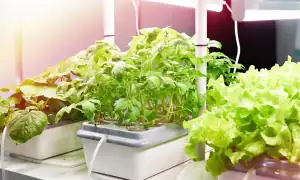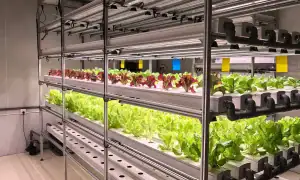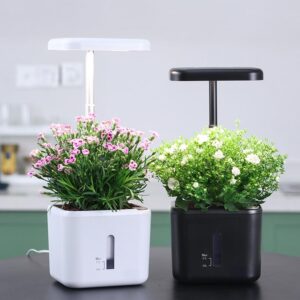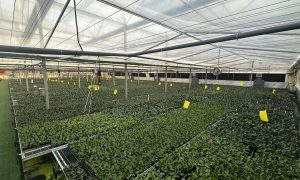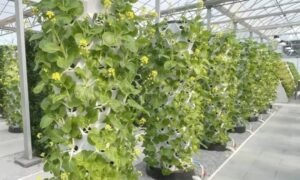



Hydroponic gardening isn’t just about growing plants; it’s about growing them smartly. By eliminating soil, nutrients are delivered directly through water, giving you precise control over plant nutrition and growth. This method can be practiced almost anywhere, making it ideal for urban environments and limited spaces.
Understanding Different Types of Hydroponic Systems
There are several hydroponic systems, each suited to different needs and plants:
Deep Water Culture (DWC): Plants are suspended with roots submerged in nutrient solution, oxygenated by an air pump. Simple and beginner-friendly.
Nutrient Film Technique (NFT): A thin stream of nutrients flows over suspended roots. Efficient and ideal for leafy greens and herbs.
Ebb and Flow (Flood and Drain): Periodically floods and drains the grow tray. Versatile and suitable for many plant types.
Wick System: A passive system where nutrients reach roots via a wick. Low-cost and low-maintenance.
Choosing the right system depends on your space, budget, and crop goals.

Benefits of Hydroponic Gardening
Hydroponics offers multiple advantages over traditional soil gardening:
Faster Growth: Direct nutrient and oxygen access accelerates plant development.
Space Efficiency: Ideal for indoor or small-space gardening.
Water Conservation: Recirculated water significantly reduces usage.
Fewer Pests and Diseases: Minimizes soil-borne issues and chemical use.
Setting Up Your Hydroponic Garden
Start by selecting a system that matches your experience level and available space. Beginners often choose DWC for its simplicity, while more advanced growers may prefer Ebb and Flow systems for flexibility. Decide whether your setup will be indoors or outdoors, as this affects lighting and environmental control requirements.
Choosing the Right Grow Lights
Lighting is essential, especially for indoor hydroponics:
LED Grow Lights: Energy-efficient, adjustable spectrum, suitable for all growth stages.
Fluorescent Lights: Cost-effective for seedlings and small plants.
HID Lights: Powerful and effective for larger plants, but with higher energy consumption.
Ensure proper light intensity and duration to support photosynthesis.
Nutrient and pH Management
Plants rely entirely on nutrient solutions in hydroponics:
Nutrient Solutions: Use balanced, plant-specific hydroponic nutrients and follow mixing guidelines.
pH Control: Maintain pH between 5.5 and 6.5 for optimal nutrient absorption. Regular testing is essential.
Seedling Care and Transplanting
Germination: Start seeds in media like Rockwool or peat pellets with proper warmth and moisture.
Transplanting: Move seedlings into the system once true leaves appear, handling roots gently.
Monitoring: Watch for stress signs and adjust nutrients or lighting promptly.
Troubleshooting Common Hydroponic Problems
Nutrient Deficiencies: Check solution strength and pH if leaves discolor or growth slows.
Root Rot: Ensure adequate oxygenation; healthy roots should be white and firm.
Pests: Monitor for aphids or mites and use natural control methods like neem oil.
Harvesting and Enjoying Your Produce
Hydroponic plants often mature faster:
Timing: Harvest at peak maturity for best flavor and nutrition.
Tools: Use clean, sharp tools to avoid plant damage.
Enjoyment: Fresh, pesticide-free produce delivers both taste and satisfaction.
Conclusion
Learning how to grow in a hydroponic system opens the door to efficient, sustainable, and rewarding gardening. With the right setup, proper nutrient management, and attentive care, you can enjoy year-round harvests and explore innovative ways to grow healthy plants in any environment.