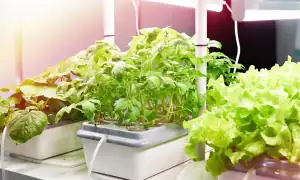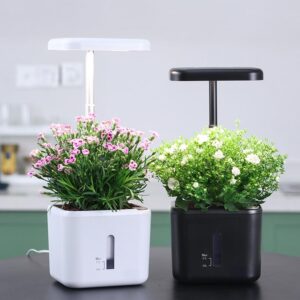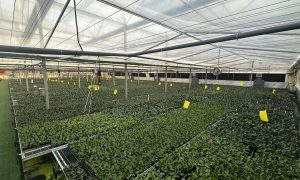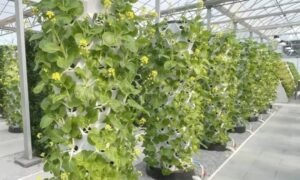



Growing tomatoes has never been easier, thanks to the innovative approach of hydroponics. Whether you’re a seasoned gardener or a curious beginner, hydroponic systems offer a soil-free method to cultivate vibrant tomato plants right at home. In this comprehensive guide, we’ll explore the essentials of setting up a hydroponic system for growing tomatoes, highlight the benefits, and provide you with actionable steps to get started.
 Hydroponics is a method of growing plants without soil. Instead, plants are nourished using a nutrient-rich water solution, which provides all the essential elements required for growth. This method allows for precise control over the growing environment, leading to faster growth and higher yields compared to traditional soil gardening.
Why Choose Hydroponic Tomato Gardening?
Benefits of Growing Tomatoes Hydroponically
- Faster Growth and Higher Yields: Hydroponic systems accelerate the growth process by delivering nutrients directly to the roots. This leads to faster-growing plants and potentially higher yields compared to traditional soil methods.
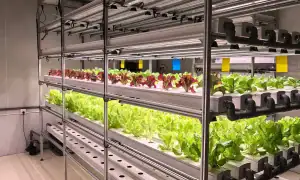
- Space Efficiency: Hydroponic systems can be set up indoors, making them ideal for urban gardeners with limited space. Vertical setups can maximize your growing area, allowing you to cultivate more tomato plants in a smaller footprint.
- Water Conservation: Hydroponics uses significantly less water than soil gardening. The closed-loop system recirculates water, reducing waste and making it an environmentally friendly option.
- Pest and Disease Control: By eliminating soil, hydroponics reduces the risk of soil-borne pests and diseases, resulting in healthier plants.
Setting Up a Hydroponic System for Tomatoes
 Selecting the Right Hydroponic System
 Selecting the Right Hydroponic System
There are several types of hydroponic systems suitable for growing tomatoes. Here are some popular options:
- Nutrient Film Technique (NFT): This system involves a shallow stream of nutrient solution flowing continuously over the roots. It’s ideal for lightweight plants like lettuce but can also be adapted for tomatoes with some adjustments.
- Deep Water Culture (DWC): In DWC systems, plant roots are submerged in a nutrient solution. This system is simple and effective for growing larger plants like tomatoes.
- Drip System: Drip systems deliver nutrient solution directly to the plant roots via a network of tubes. It’s versatile and can be customized for various plant sizes and setups.
- Aeroponics: In aeroponic systems, roots are suspended in air and misted with nutrient solution. While more complex, this method provides excellent oxygenation and can lead to robust tomato plants.
Essential Components for a Hydroponic Tomato Setup
To create a thriving hydroponic system, you’ll need the following components:
- Growing Container: Choose a container that suits your chosen hydroponic method. It should be large enough to accommodate the root system of your tomato plants.
- Nutrient Solution: Purchase a nutrient solution specifically formulated for tomatoes. This will ensure your plants receive the right balance of nutrients for optimal growth.
- pH Meter: Maintaining the correct pH level (between 5.5 and 6.5) is crucial for nutrient absorption. A pH meter will help you monitor and adjust the pH as needed.
- Grow Lights: If you’re growing indoors or in low-light conditions, invest in high-quality grow lights to mimic natural sunlight and promote healthy growth.
- Air Pump and Air Stones: To oxygenate the nutrient solution and prevent root rot, an air pump and air stones are essential components.
Planting and Caring for Hydroponic Tomatoes
Choosing Tomato Varieties
When selecting tomato varieties for hydroponic cultivation, opt for determinate or indeterminate types that are known for their compact growth and high yields. Popular varieties include cherry tomatoes and bush tomatoes.
Planting Process
- Start Seeds: Begin by germinating seeds in a separate seedling tray. Once the seedlings have developed a few true leaves, transplant them into your hydroponic system.
- Monitor Nutrient Levels: Regularly check the nutrient solution and adjust as necessary. Tomatoes are heavy feeders, so ensure they have a steady supply of nutrients.
- Provide Support: As tomato plants grow, they may require support to prevent bending or breaking. Use trellises, cages, or stakes to keep them upright.
Maintenance Tips
- Pruning and Training: Regular pruning encourages healthy growth and improves air circulation. Remove any yellowing leaves or suckers to focus the plant’s energy on fruit production.
- Pollination: Unlike outdoor plants, indoor hydroponic tomatoes may need manual pollination. Gently shake the plants or use a small brush to transfer pollen between flowers.
- Monitor for Pests and Diseases: Although hydroponics reduces the risk of soil-borne issues, it’s still important to keep an eye out for pests like aphids or spider mites. Use organic pest control methods if needed.
Harvesting Hydroponic Tomatoes

The moment you’ve been waiting for—harvesting your hydroponic tomatoes! Depending on the variety, tomatoes can take anywhere from 60 to 85 days to ripen. Look for vibrant color and slight softness when gently squeezed as indicators of ripeness.
Harvesting regularly encourages the plant to continue producing, so enjoy your fresh, homegrown tomatoes as they ripen!
Conclusion
Growing tomatoes hydroponically offers a rewarding and efficient way to produce delicious, homegrown tomatoes. By setting up a hydroponic system tailored to your space and needs, you can enjoy fresh produce year-round. With the right knowledge and preparation, you’ll be well on your way to becoming a successful hydroponic tomato gardener. Happy growing!