

In the quest for sustainable agriculture, hydroponics is becoming an increasingly popular method of growing plants. This soilless plant growing system offers numerous advantages over traditional farming, making it an appealing choice for both commercial and home growers. In this article, we’ll dive into the benefits of hydroponic grow systems and explain why they might be the right choice for you.
 A hydroponic grow system is a method of cultivating plants without soil. Instead, plants are grown in a nutrient-rich water solution. This method allows for precise control over the nutrients and environmental conditions that plants receive, resulting in faster growth and higher yields.
There are various types of hydroponic systems, including the NFT (Nutrient Film Technique) hydroponic system, vertical hydroponic grow systems, and indoor hydroponic systems. Each has its own set of benefits, and the choice of system will depend on your specific needs and goals.
Key Benefits of Hydroponic Systems
Faster Growth and Higher Yields
One of the most significant advantages of hydroponic farming systems is the ability to produce faster growth and higher yields. Because the plants have direct access to nutrients in the water, they can spend less energy searching for food and more energy growing. This often results in plants maturing up to 25% faster than those grown in soil, with yields that are 30% larger.
Efficient Use of Space
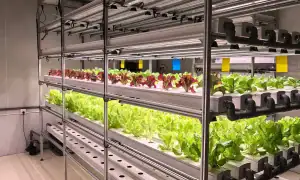
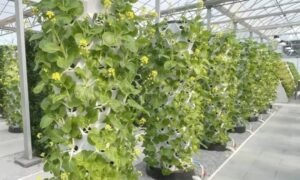
 Hydroponic systems are incredibly efficient when it comes to space usage. Vertical hydroponic grow systems, for instance, allow plants to be stacked in layers, utilizing vertical space that would otherwise be wasted. This makes hydroponics an ideal choice for urban farming or areas with limited land availability.
Water Conservation
Hydroponic systems use significantly less water compared to traditional soil farming. In a hydroponic setup, water is recirculated, meaning that plants only use what they need, and the rest is returned to the system for reuse. This can reduce water usage by up to 90%, making hydroponic gardening a sustainable option for drought-prone regions.
No Soil, No Weeds
Since hydroponic systems do not use soil, they eliminate the problems associated with soil, such as weeds, soil-borne pests, and diseases. This reduces the need for herbicides and pesticides, leading to cleaner, healthier plants.
Controlled Environment
Indoor hydroponic systems allow growers to control environmental conditions such as temperature, light, and humidity. This means that plants can be grown year-round, regardless of external weather conditions. It also allows for the cultivation of exotic plants that may not thrive in the local climate.
Nutrient Management
In a hydroponic growing system, nutrients can be precisely controlled and tailored to the specific needs of the plants. This results in optimal plant health and productivity. Additionally, because the nutrient solution is reused, there is less nutrient runoff into the environment compared to traditional farming methods.
Types of Hydroponic Systems
NFT Hydroponic System
The NFT (Nutrient Film Technique) hydroponic system is one of the most popular methods, especially for growing leafy greens like lettuce and herbs. In this system, a thin film of nutrient-rich water is continuously circulated over the roots of the plants. This allows for efficient nutrient uptake and oxygenation.
Vertical Hydroponic Grow System
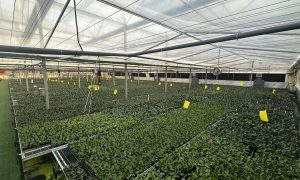
Vertical hydroponic systems are designed to maximize space by stacking plants vertically. This is particularly useful in urban or indoor environments where horizontal space is limited. Vertical systems can support a wide variety of plants and are often used in commercial hydroponic systems.
Indoor Hydroponic System
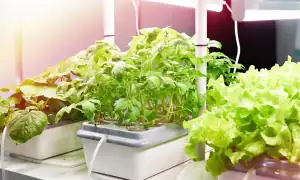
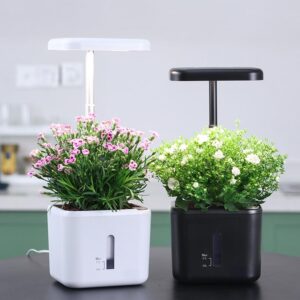
Indoor hydroponic systems are perfect for home gardeners who want to grow plants indoors. These systems can range from small home hydroponic grow kits to larger setups for serious hobbyists. Indoor systems allow for year-round growing and can be customized with grow lights to provide plants with the necessary light for photosynthesis.
Getting Started with Hydroponics
 by Stasia Spark (https://unsplash.com/@stasiaspark)
If you’re interested in starting your own hydroponic garden, there are a few things to consider. First, you’ll need to decide on the type of system that best suits your needs. For beginners, a simple home hydroponic grow kit can be a great way to start experimenting with hydroponic gardening.
Next, you’ll need to choose the right plants. Some of the most popular hydroponic plants include leafy greens, herbs, tomatoes, and strawberries. These plants tend to thrive in hydroponic conditions and can provide a bountiful harvest.
Finally, you’ll need to monitor and maintain your system. This includes checking nutrient levels, pH balance, and ensuring that the plants receive adequate light and water.
Challenges and Considerations
While hydroponic systems offer many benefits, there are also some challenges to consider. Initial setup costs can be higher than traditional gardening, and the systems require careful monitoring and maintenance to ensure optimal plant growth. Additionally, technical knowledge may be required to troubleshoot any issues that arise.
Conclusion
Hydroponic grow systems offer a sustainable and efficient way to produce food. Whether you’re a commercial grower looking to maximize yields or a home gardener wanting to enjoy fresh produce year-round, hydroponics provides numerous benefits. By understanding the advantages and considerations of hydroponic farming systems, you can make an informed decision about whether this innovative approach to gardening is right for you.