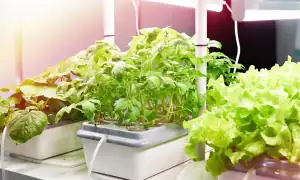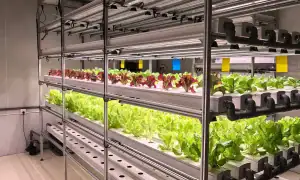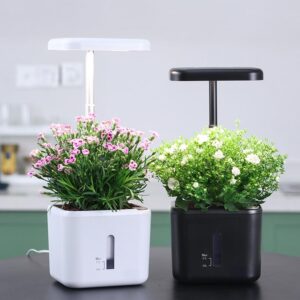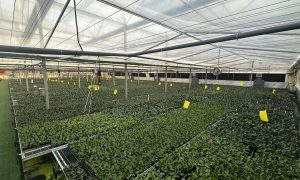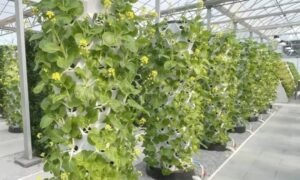



Diving into the world of hydroponics can be both exciting and rewarding. Whether you’re a beginner or have some experience, maintaining a hydroponic system requires a keen understanding of several key elements. Here, we’ll provide essential tips to ensure your hydroponic garden thrives.
Before setting up your hydroponic plants, it’s crucial to understand the different types of hydroponic systems available. From Deep Water Culture (DWC) to Nutrient Film Technique (NFT), each system has its own setup and maintenance requirements. Choosing the right system depends on the plants you’re growing and the space available.
 Setting Up Your Hydroponic System
 Setting Up Your Hydroponic System
A proper hydroponic system setup guide can help you start your journey. Begin by selecting a suitable location that offers controlled temperature and light. Assemble your system, ensuring all components, like reservoirs, pumps, and grow lights, are in place. This step-by-step setup is vital for creating an environment where your plants can flourish.
Choosing the Right Hydroponic Nutrients
Nutrients are the lifeblood of any hydroponic growing system. Using a hydroponic growing system means providing plants with the right balance of nutrients, which are typically dissolved in water. Invest in high-quality hydroponic nutrients designed for your specific plants. Regularly check nutrient levels and adjust as necessary to avoid deficiencies or toxicities.
DIY Hydroponics: A Cost-Effective Approach
For those interested in DIY hydroponics, creating a system from scratch can be a cost-effective way to explore this gardening method. Start with basic materials like PVC pipes or buckets, and build a simple system such as a wick or Kratky method. DIY hydroponics allows customization and can be scaled to fit your space and budget.
Monitoring and Maintenance
 Monitoring and Maintenance
Maintaining a hydroponic system involves regular monitoring of several factors. Keep an eye on pH levels, as they can significantly impact nutrient uptake. Aim for a pH range of 5.5 to 6.5 for most plants. Additionally, ensure your water temperature remains between 65-75°F, which helps prevent root diseases. Consistent maintenance will lead to healthy, productive plants.
Starting a Hydroponic Garden
For beginners, knowing how to start a hydroponic garden can seem daunting. Begin small with easy-to-grow plants like lettuce or herbs. As you gain confidence, expand to more complex plants. Keeping a journal to track growth, changes, and challenges can also aid in learning and improving your hydroponic skills.
Troubleshooting Common Issues
Even with diligent care, issues may arise. Algae growth, nutrient imbalances, and poor lighting are common problems that can affect your system. Regular inspection and prompt corrective actions are essential for overcoming these challenges.
In conclusion, using a hydroponic system can yield impressive results with the right approach. By understanding system types, maintaining proper nutrient levels, and regularly monitoring conditions, you’ll ensure a bountiful harvest. Whether you’re a novice or looking to refine your technique, these tips provide a solid foundation for hydroponic success.