



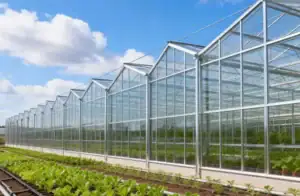
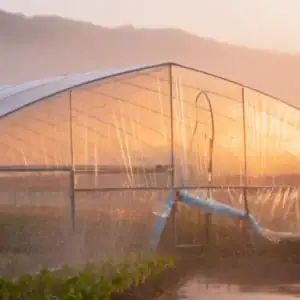

Imagine stepping into a world where technology and nature seamlessly combine to create a thriving oasis, even in the harshest climates. This is no mere fantasy; it’s the future of horticulture, where glass greenhouses are not just a part of the landscape but a progressive solution to sustainable agriculture. These modern marvels promise to revolutionize how we grow our food by offering optimal conditions for plants while minimizing environmental impact. With climate change posing increasing challenges to traditional farming methods, the glass greenhouse stands as a beacon of hope, embodying resilience and innovation.
The magic of a glass greenhouse extends beyond its transparent walls. It promises a more productive and eco-friendly approach to horticulture, harnessing solar energy and advanced systems to create a perfect balance of light, temperature, and humidity. As urbanization continues to sprawl, the need for sustainable food sources becomes more pressing. Glass greenhouses allow us to maximize limited space and resources, offering the potential to feed a growing population without compromising the well-being of our planet. Join us as we explore the possibilities and advancements shaping the future of agriculture within these glass sanctuaries.

Benefits of Glass Greenhouses in Horticulture
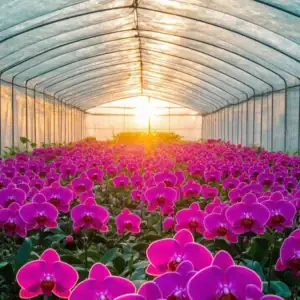
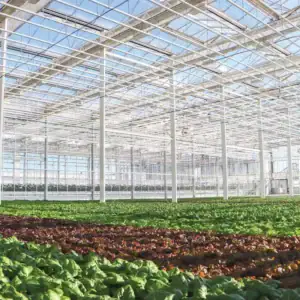
Glass greenhouses offer a multitude of advantages that traditional open-field cultivation simply cannot match. First and foremost, they provide unparalleled environmental control. By carefully regulating temperature, humidity, and light exposure, growers can create an ideal microclimate tailored to each crop’s needs. This means that delicate fruits, vegetables, and ornamental plants can thrive year-round, regardless of external weather conditions. The transparent walls of a glass greenhouse optimize natural light penetration, ensuring that photosynthesis takes place efficiently without the need for excessive artificial lighting.
In addition to extended growing seasons, glass greenhouses enhance resource efficiency. Water usage can be tightly monitored and recycled, resulting in significant reductions compared to conventional irrigation methods. Pest management also becomes more precise; by keeping pests out and employing biological controls within the enclosed space, growers reduce reliance on chemical pesticides. Enhanced yield consistency, higher-quality produce, and a smaller ecological footprint are just a few of the tangible benefits. As consumer demand for locally grown, fresh produce continues to rise, the glass greenhouse emerges as a vital tool for modern horticulturists striving to deliver superior products while safeguarding the environment.
Advanced Climate Control Systems in Glass Greenhouses
Maintaining optimal growing conditions within a glass greenhouse demands sophisticated climate control systems. Advanced sensor arrays continuously monitor key parameters such as temperature, humidity, CO₂ levels, and light intensity. These sensors feed real-time data to central controllers, which then adjust heating, cooling, ventilation, and shading systems automatically. The result is a finely tuned environment that responds dynamically to internal changes—like plant transpiration—and external fluctuations, such as sudden heatwaves or cooler nights.
State-of-the-art technologies like automated venting, thermal screens, and fogging systems work in unison to regulate air flow and humidity. Integrated CO₂ enrichment systems elevate carbon dioxide concentration, boosting photosynthesis and accelerating crop growth. Smart controllers integrate with greenhouse management software, enabling remote monitoring and precise scheduling of irrigation and fertilization. By harnessing the power of the Internet of Things (IoT) and machine learning algorithms, modern glass greenhouses can predict and preempt potential stress factors, ensuring optimal plant health and maximizing yields with minimal human intervention.
Maximizing Space and Resources with Glass Greenhouse Farming
Space is a precious commodity in today’s urban and peri-urban farming contexts, and glass greenhouse farming offers ingenious solutions to maximize it. Multi-tiered vertical growing racks and hydroponic systems allow cultivators to stack rows of plants, effectively multiplying production area without expanding the physical footprint. Precision irrigation techniques, such as drip and ebb-and-flow systems, deliver water and nutrients directly to the root zone, minimizing wastage and fostering healthier root systems.
Resource efficiency extends beyond water. Nutrient solutions in hydroponic and aquaponic setups are continuously recycled, cutting down fertilizer consumption and runoff. The controlled environment of a glass greenhouse also reduces soil degradation and land use pressures. These integrated systems can be tailored to local needs—whether installing vertical towers in city rooftops or modular greenhouse units in rural communities—making high-density, low-impact agriculture a reality. By cleverly combining structural design with cutting-edge growing methodologies, glass greenhouse farming unlocks new frontiers in sustainable food production.
Sustainable Practices in Glass Greenhouse Horticulture
Sustainability is at the heart of modern glass greenhouse operations. Renewable energy sources such as rooftop solar panels and geothermal heat pumps are increasingly common, cutting reliance on fossil fuels. Rainwater harvesting and graywater recycling systems capture and repurpose water for irrigation, drastically reducing freshwater withdrawals. Waste heat from adjacent facilities—like power plants or processing units—can be channeled into greenhouses via district heating networks, further slashing energy costs and emissions.
Integrated Pest Management (IPM) strategies thrive within the protected confines of a glass greenhouse. Beneficial insects, microbial inoculants, and pheromone traps help keep pest populations in check without resorting to broad-spectrum chemicals. Organic growing protocols, composting of plant residues, and carefully managed nutrient cycling close the loop on resource flows, promoting circular economy principles. By coupling advanced technology with ecological stewardship, glass greenhouse horticulture exemplifies how high-tech agriculture can coexist harmoniously with the natural world.
Innovations Driving the Future of Agriculture in Glass Greenhouses
Emerging technologies are poised to revolutionize glass greenhouse farming even further. Artificial intelligence and machine learning algorithms analyze vast datasets from sensors and imaging systems to optimize growing recipes in real time. Robots and automated vehicles handle tasks like seeding, pruning, and harvesting with surgical precision, reducing labor costs and human error. Genetic and molecular tools enable breeders to develop crop varieties tailored specifically for greenhouse conditions—compact, high-yielding, and resistant to common diseases.
Material science breakthroughs are also reshaping greenhouse design. Self-cleaning, anti-reflective glass coatings enhance light transmission and reduce maintenance demands. Dynamic glazing technologies—such as electrochromic glass—adjust transparency on demand, optimizing light levels and energy consumption. Transparent photovoltaic panels integrate solar power generation directly into the greenhouse roof, turning the structure into a dual-purpose energy and food production hub. Modular and prefabricated greenhouse systems allow for rapid deployment in diverse climates, making advanced horticulture accessible worldwide. Together, these innovations chart a course toward ever-greater productivity, sustainability, and resilience in controlled-environment agriculture.
Conclusion: Embracing a Sustainable and Resilient Future in Horticulture
The glass greenhouse heralds a new era in horticulture—one where advanced technology and ecological mindfulness converge to sustain our growing global population. By delivering optimal growing conditions, maximizing resource efficiency, and integrating renewable energy, these structures address the pressing challenges of climate change, urbanization, and food security.
As we continue to innovate—from AI-driven climate controls to next-generation materials—glass greenhouses will remain at the forefront of sustainable agriculture. Embracing these systems today paves the way for a resilient, eco-friendly, and productive tomorrow, ensuring that fresh, healthy produce is within reach for all.
