



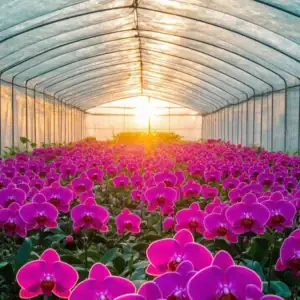
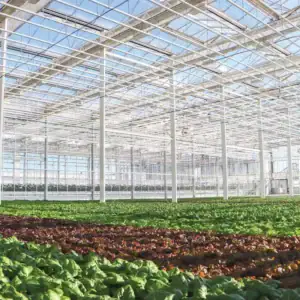
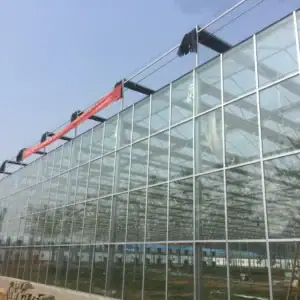
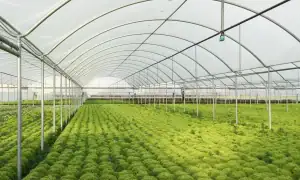
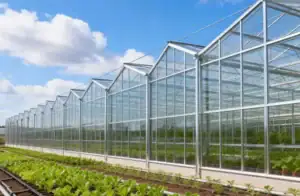
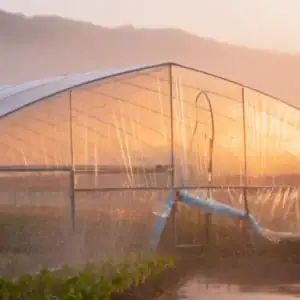

Imagine stepping into your garden, not just in the sunny days of summer but also during the chilling depths of winter, and finding it bursting with vibrant greens and ripe tomatoes. It might sound like a gardener’s dream, yet with the right tools, it’s entirely achievable. High tunnel greenhouse solutions are transforming the way we approach gardening by extending the growing season and increasing yields, no matter the external weather conditions. These simple yet effective structures provide a controlled environment that protects crops from harsh elements, allowing your plants to thrive all year round.
The high tunnel greenhouse isn’t just a trend; it’s a revolution in sustainable agriculture. Consider the numbers: growers using high tunnels often see up to a 30% increase in harvest compared to traditional methods. This means more bounty for your table or market and less dependency on unpredictable weather patterns. By investing in a high tunnel, you’re not only maximizing your harvest but also supporting environmentally friendly practices. As we delve into the advantages and practicalities of high tunnel greenhouses, prepare to discover how this innovative solution can transform your gardening experience into a productive and rewarding endeavor.

Benefits of High Tunnel Greenhouses
High tunnel greenhouses offer a wealth of advantages that extend far beyond simple crop protection. By creating a semi-enclosed environment, these structures allow gardeners and commercial growers to regulate temperature, humidity, and light levels more effectively than in open fields. One of the primary benefits is the ability to warm the soil earlier in the spring, enabling faster germination and earlier transplanting of seedlings. This head start can result in quicker growth cycles and a longer period of production, making every square foot of garden space more profitable and productive.
Another key benefit of using a high tunnel greenhouse is the reduction in pest pressure and disease incidence. The physical barrier of the structure deters many insects and airborne pathogens, which means fewer chemical inputs are needed to maintain healthy crops. For organic growers, this translates to a cleaner, more environmentally friendly operation. Additionally, the structure’s design promotes better air circulation, minimizing humidity buildup and reducing the risk of fungal and bacterial diseases. Overall, the high tunnel greenhouse empowers growers to achieve higher-quality produce, greater profitability, and a more resilient growing system.
Extending the Growing Season
One of the most compelling reasons to adopt a high tunnel greenhouse is its ability to significantly extend the growing season. By capturing solar energy and retaining heat, these structures maintain warmer temperatures inside than the external environment. In early spring and late fall, when nighttime lows could stunt or kill tender plants, the high tunnel greenhouse acts as a thermal buffer. This extended window allows gardeners to plant earlier and harvest later, making it possible to enjoy fresh vegetables and flowers for months beyond what conventional gardens allow.
Beyond temperature control, high tunnel greenhouses also shield crops from frost, wind, and heavy precipitation—factors that can devastate young seedlings and limit harvests. By controlling air circulation and shading, growers can prevent extreme heat buildup on sunny days and reduce stress on plants. This consistent, moderated environment fosters uniform growth and encourages multiple planting cycles within a single calendar year. In essence, investing in a high tunnel greenhouse means maximizing sunlight and warmth for a continuous bounty, turning seasonal gaps into productive growing opportunities.
Increased Yields and Harvest
A direct outcome of the controlled environment provided by a high tunnel greenhouse is a notable boost in yields. Farmers and hobbyists alike report harvest increases of 20–50% compared to open-field production. The sheltered conditions allow plants to devote more energy to fruit and flower development rather than coping with environmental stressors. For high-value crops like tomatoes, peppers, cucumbers, and strawberries, even a small yield improvement can translate into substantial financial gains or a more abundant home garden supply.
Moreover, the uniform conditions within a high tunnel greenhouse promote consistent crop quality and size, which is especially important for market growers who must meet strict grading standards. With reduced plant stress and fewer pest or disease outbreaks, losses are minimized, and the number of marketable units rises. Growers can also experiment with intensive planting methods, such as double-stocking or succession planting, to squeeze even more production from their space. Ultimately, a high tunnel greenhouse is not just an enclosure—it’s a productivity multiplier that helps you make the most of every planting season.
Protection from Harsh Weather Conditions
Gardeners know all too well how fickle weather can be—and how a sudden cold snap or hailstorm can wipe out weeks of hard work in minutes. A high tunnel greenhouse affords robust protection against many of these unpredictable elements. Its durable plastic covering and strong frame act as a shield against wind damage, heavy rains, and hail, ensuring that delicate crops remain intact and healthy. This protection translates to greater reliability and fewer disappointments when severe weather threatens to disrupt your harvest.
In addition to physical barriers, high tunnel greenhouses offer a measure of climate control that can mitigate temperature extremes. During colder months, trapped solar heat raises nighttime temperatures, which helps young plants establish stronger root systems. On scorching summer days, shade cloths or venting systems can be employed to prevent heat stress and sunscald. By buffering plants from the worst of Mother Nature’s whims, a high tunnel greenhouse ensures a more consistent, secure growing environment, thus safeguarding your investment and efforts.
Sustainability and Environmental Impact
High tunnel greenhouses not only enhance productivity but also support more sustainable growing practices. By reducing the need for synthetic pesticides and fertilizers—thanks to their pest-deterring structure and improved plant health—these systems help minimize chemical runoff into surrounding ecosystems. Water use efficiency is also improved, as drip irrigation or targeted watering systems inside the tunnel reduce evaporation and waste. Growers can collect and reuse rainwater from the roof, further conserving this precious resource.
Furthermore, the localized production enabled by high tunnel greenhouses decreases the reliance on long-distance shipping of fresh produce, cutting down on greenhouse gas emissions associated with transport. When powered by renewable energy sources for lighting or supplemental heating, these structures can approach near-zero carbon footprints. For home gardeners, this means a smaller eco-impact and a personal contribution to a healthier planet. By choosing a high tunnel greenhouse solution, you’re aligning your gardening practices with the principles of environmental stewardship and resource conservation.
Conclusion: Transforming Your Gardening Experience
Embracing a high tunnel greenhouse is more than just constructing a shelter for your plants—it’s about unlocking new possibilities in productivity, sustainability, and personal satisfaction. From extended growing seasons to higher yields and robust protection, the benefits are clear and substantial.
Whether you’re a backyard enthusiast aiming for homegrown abundance or a commercial grower seeking to optimize your operation, a high tunnel greenhouse can be the cornerstone of your success. Transform your gardening experience today and reap the rewards of a healthier, more bountiful harvest.
