



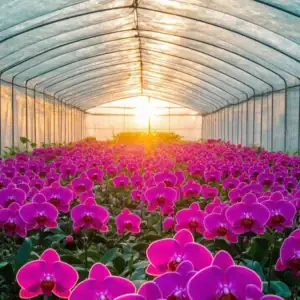
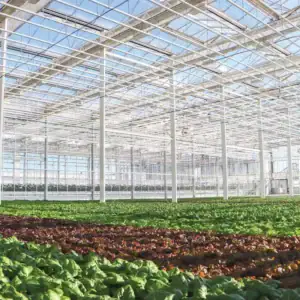
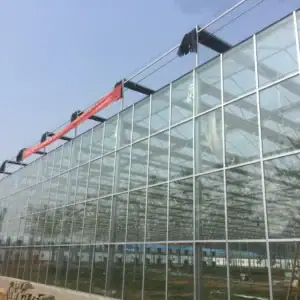
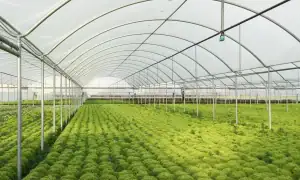
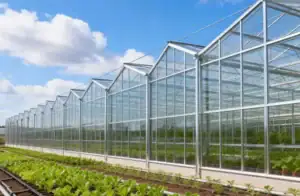

Imagine stepping into a world where every plant thrives in a controlled oasis of light and temperature, where the beauty of nature is perfectly encapsulated within gleaming glass walls. If you’ve ever dreamed of creating such a sanctuary in your backyard, a greenhouse with glass might just be your ideal solution. Not only does it provide an optimal environment for your plants to flourish year-round, but it also adds an exquisite architectural element to any garden space. The transparency of glass allows for a superior influx of natural sunlight, nurturing not just plants but also elevating the entire aesthetic of your outdoor area.
But the allure of a glass greenhouse goes beyond mere appearance. This structure can significantly extend your growing season, providing opportunities to cultivate exotic plants that would otherwise struggle in harsher climates. With the right design, a greenhouse with glass becomes more than a functional gardening tool—it’s a statement of sustainability and innovation. Whether you’re a seasoned gardener or a passionate novice, exploring the benefits and possibilities of a glass greenhouse can open up new avenues of creativity and growth in your horticultural pursuits. So, let’s delve into how this timeless structure can enhance both the potential and beauty of your cherished garden.
Benefits of a Glass Greenhouse
A greenhouse with glass offers remarkable advantages that set it apart from other materials like polycarbonate or plastic film. First and foremost, glass provides unmatched clarity, ensuring sunlight penetrates deeply and evenly. This consistent light distribution supports photosynthesis at all levels of your plant canopy, from seedlings to mature specimens. Gardeners often report healthier foliage, stronger stems, and more abundant blooms when their greenhouse panels are made of quality glass. Beyond plant health, the aesthetic appeal of transparent walls creates an inviting ambiance, transforming a simple growing space into a striking focal point in any backyard.
Another major benefit of a glass greenhouse is its durability. High-quality horticultural glass is designed to withstand weather extremes—whether that’s hail, heavy snow, or high winds—without yellowing or becoming brittle over time. Unlike plastic sheets that may discolor or degrade after a few seasons, glass retains its integrity for decades with minimal maintenance. Additionally, glass panels offer better insulation properties when paired with proper framing and sealing techniques. This means you can maintain stable internal temperatures more efficiently, reducing heating and cooling costs. Ultimately, investing in a greenhouse with glass means investing in long-term performance, plant health, and landscape beauty.
Design Considerations for Your Glass Oasis
Designing a greenhouse with glass requires thoughtful planning to balance form and function. Begin by selecting the right location: ideally, a spot that receives abundant southern sun exposure, free from shade cast by trees or buildings. The orientation and angle of your glass panels will determine how much light and solar heat enter the structure. South-facing walls catch the most sunlight during winter months, while adjustable venting and shading solutions help prevent overheating in summer. Incorporate roof vents, ridge vents, and louvered side windows to regulate airflow, ensuring optimal conditions for plant growth and reducing the risk of fungal problems caused by stagnant air.
Next, consider the structural framework that will hold your glass panes. Materials like aluminum, steel, or sustainably sourced cedar each have pros and cons in terms of strength, maintenance, and cost. Aluminum frames are lightweight, rust-resistant, and require minimal upkeep, but they conduct heat quickly, potentially causing condensation issues. Steel frames are sturdier and more durable but may need regular painting or galvanizing to resist corrosion. Cedar offers a warm aesthetic and natural rot resistance but demands periodic staining or sealing. Match your frame choice to your climate, budget, and design preferences to create a cohesive, enduring glass greenhouse that complements your garden’s style.
Maximizing Natural Light in Your Greenhouse
Light is the lifeblood of any greenhouse with glass, and optimizing its distribution is key to plant success. Begin by ensuring your glass surfaces are kept clean—dust, algae, and debris can significantly reduce light transmission. Schedule regular washing with gentle, non-toxic cleaners to maintain peak clarity. Additionally, consider internal reflective surfaces. Painting the interior walls a light color or installing reflective sheeting can bounce sunlight deeper into shaded corners, promoting even growth. Strategic placement of benches and shelving should allow light to filter freely among plants without creating dark pockets where seedlings might languish.
Another technique to maximize natural illumination is to incorporate glazing innovations. Low-iron horticultural glass enhances light penetration by reducing the greenish tint found in standard tempered glass. For regions with intense summer sun, consider using fritted or UV-filtering glass panels that diffuse harsh rays while still providing ample brightness. Diffused light reduces leaf scorch and fosters uniform photosynthesis, leading to more vigorous and balanced foliage. By thoughtfully combining cleaning practices, reflective materials, and advanced glazing, your greenhouse with glass will harness the full power of the sun to cultivate thriving, radiant plants all year round.
Temperature Control Strategies
Maintaining stable temperatures in a greenhouse with glass is essential to protect crops from extreme heat or cold. Start by installing automated vent systems that open and close based on preset temperature thresholds. Roof vents are particularly effective at exhausting hot air, as warm air naturally rises. Side vents facilitate cross-ventilation, drawing cooler air in at lower levels. Pair these vents with reliable temperature sensors and an automated control unit to respond swiftly to rising heat, preventing wilting and stress during sunny days.
For cooler months, employ supplemental heating options such as electric heaters, gas heaters, or radiant floor systems. Radiant flooring, while more costly initially, provides even warmth directly to plant root zones, promoting healthy growth without overheating above-ground foliage. Thermal mass elements—like water barrels or stone features—absorb heat during daylight and release it overnight, smoothing out temperature fluctuations. Finally, shading screens or thermal blackout curtains can be drawn on exceptionally hot or cold days to moderate heat gain and loss. By integrating ventilation, active heating, and passive thermal mass strategies, your greenhouse with glass will maintain an ideal environment for plants across all seasons.
Eco-Friendly Practices for Sustainable Gardening
Creating a greenhouse with glass presents a unique opportunity to implement eco-friendly gardening methods. Rainwater harvesting systems can be installed to collect precipitation from glass roofs and channel it into storage tanks. This naturally soft, chlorine-free water can then be used for irrigation, reducing reliance on municipal supplies. Pair your rainwater system with drip irrigation and moisture sensors to ensure precise watering, minimizing waste while optimizing plant health. Additionally, consider installing solar panels on or near your greenhouse to power pumps, fans, and lighting systems with renewable energy.
Compost bins or worm farms tucked into corner spaces can transform plant trimmings and kitchen scraps into rich organic matter. This homemade compost improves soil structure, enhances nutrient availability, and boosts microbial activity—all while diverting waste from landfills. If you’re growing edible crops, adopt integrated pest management (IPM) strategies: introduce beneficial insects, use sticky traps, and apply organic sprays to control pests without harming the environment. By weaving together rainwater collection, solar power, composting, and IPM, your glass greenhouse becomes a model of sustainable gardening that benefits both plants and the planet.
