



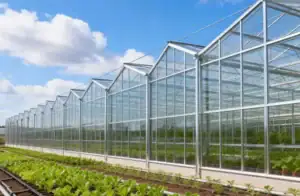

Imagine stepping into your garden and being greeted by a lush, vibrant oasis, even when the weather outside is less than inviting. This isn’t a dream; it’s the magic of glass greenhouse panels. For avid gardeners, these panels are more than just a tool—they’re a transformative asset that can elevate your gardening to new heights. Unlike traditional plastic or polycarbonate panels, glass offers unparalleled clarity and durability, allowing your plants to bask in natural sunlight, which is essential for robust growth.
But there’s more to glass greenhouse panels than meets the eye. They’re not just about aesthetics. With the ability to maintain optimal temperatures and humidity levels, they create an ideal microclimate for a wide variety of plants. This means a longer growing season and healthier crops, regardless of the season. If you’ve been struggling with inconsistent yields or the limitations of outdoor gardening, you’ll discover that glass greenhouse panels might just be the secret weapon you need to unlock your garden’s full potential.

The Benefits of Glass Greenhouse Panels
One of the most compelling advantages of glass greenhouse panels is their exceptional light transmission. Compared to plastic or polycarbonate alternatives, glass lets in up to 90% of natural sunlight, creating an environment in which plants can photosynthesize at the highest possible efficiency. This clarity translates into stronger stems, deeper green foliage, and more prolific blooms. With every ray of the sun harnessed, you’ll notice a visible improvement in plant vigor, from leafy greens to climbing vines. Moreover, the uniform light diffusion minimizes hot spots or shaded areas that can stunt growth or encourage disease.
In addition to superior clarity, glass greenhouse panels excel in durability and longevity. While plastic coverings often degrade under UV exposure and may need replacement every few years, high-quality tempered glass can last decades with minimal maintenance. These panels resist scratches, discoloration, and warping, standing up to hail, debris, and other common garden hazards. Their robust design also offers structural stability, supporting integrated ventilation systems, shelving, and even climbing plants without bowing or bending. For gardeners invested in long-term success, the upfront cost of glass pays dividends over time.
Aesthetic appeal rounds out the list of benefits, transforming a utilitarian structure into a stunning focal point. The crystal-clear walls of glass greenhouse panels lend an air of elegance to any backyard or professional nursery, reflecting nearby landscaping and architectural accents. Beyond looks, glass also contributes to precise environmental control: its thermal mass stores heat during the day and radiates it at night, while compatibility with roll-up screens and shade cloths allows gardeners to fine-tune humidity and temperature. Altogether, these advantages make glass greenhouse panels a multi-faceted investment for serious growers.
Maintaining Optimal Temperatures Inside the Greenhouse
Maintaining the ideal temperature range is crucial for healthy plant development, and glass greenhouse panels excel at creating a stable microclimate. The high thermal conductivity of glass allows the structure to absorb sunlight rapidly during the morning hours, quickly raising internal temperatures to optimal levels for germination and growth. As the day progresses, the trapped heat remains consistent, minimizing cold spots. This steady warmth is especially important when growing temperature-sensitive crops such as tomatoes, peppers, and tropical ornamentals, which thrive between 65°F and 75°F.
In cooler seasons or climates, the inherent thermal mass of glass walls and floors efficiently stores solar energy. At night, this stored warmth gradually releases back into the greenhouse, preventing sudden temperature drops that could stress your plants. If you live in a region with significant diurnal shifts, pairing glass greenhouse panels with additional passive heating techniques—like stone floors or water barrels—can extend these benefits even further. The result is a buffered environment where nightly lows rarely fall below the critical threshold, reducing the risk of frost damage.
Of course, temperature control doesn’t mean trapping heat unchecked; proper ventilation is equally important. Many glass greenhouse systems integrate operable windows, roof vents, or louvered side panels that allow excess heat to escape on warmer days. Strategic cross-ventilation prevents overheating and promotes air circulation, curbing humidity levels that might otherwise lead to fungal diseases and mold. By combining these vents with shading options like retractable blinds or shade cloths, you can modulate incoming solar radiation on particularly bright afternoons. For automation enthusiasts, sensors and motorized vent openers can regulate internal conditions with precision, supplying cool, fresh air exactly when plants need it most. All of these features complement the intrinsic benefits of glass greenhouse panels, making year-round cultivation far more manageable and efficient.
Extending the Growing Season with Glass Greenhouse Panels
One of the greatest horticultural advantages of glass greenhouse panels is the ability to extend your garden’s productive season well beyond the typical outdoor window. In early spring, when frosts still linger, the shelter provided by a glass structure warms rapidly, allowing you to sow cold-hardy crops like lettuce, spinach, and radishes weeks ahead of time. In late autumn, the stored thermal energy in the glass helps protect heat-loving plants from early freezes, giving you additional weeks to harvest tomatoes, cucumbers, and peppers. This extension of analog seasons can mean more produce and a continuous supply of fresh vegetables.
Year-round cultivation isn’t just about food crops; ornamental flowers and tender species benefit as well. With the consistent temperatures afforded by high-quality glass greenhouse panels, you can overwinter fuchsia, begonias, and other frost-sensitive plants that would otherwise perish outdoors. Propagation of cuttings, seedlings, and exotic epiphytes becomes possible through the coldest months, ensuring a steady pipeline of healthy plants ready for spring planting. Whether you’re a hobbyist looking to start seedlings early or a market gardener aiming to fulfill off-season demand, this flexibility directly enhances productivity and profitability.
Beyond timing, glass greenhouse panels also allow for experimentation with long-term projects like multi-harvest crops and succession planting. By staggering planting schedules inside the controlled environment, you can ensure a rotating supply of produce that keeps your table stocked and your customers satisfied. Educational gardeners, too, can use continuous growth cycles to study plant development, conduct breeding programs, or trial new varieties without interruption. In all cases, the transparency, durability, and thermal efficiency of glass enable a level of precision and reliability that plastic or poly alternatives simply can’t match.
Protecting Plants from Harsh Weather Conditions
Perhaps the most dramatic benefit of glass greenhouse panels is their resilience against harsh weather events. Sturdy tempered glass can withstand heavy rain, small hail, and high winds that would tear or puncture flimsy plastic coverings. During spring thunderstorms or sudden downpours, the solid barrier protects delicate seedlings and flowering buds from water damage, while still allowing rainwater harvesting systems to collect runoff for irrigation. The rigid framework also maintains structural integrity under snow loads, shielding your crops from weight-related collapses and ensuring continuous growth even in colder climates.
Frost protection is another critical advantage. On clear, cold nights, heat radiation from the ground can lead to severe drops in temperature just above the soil surface, risking frost that can kill young leaves and blossoms. Thanks to the high heat retention of glass, a greenhouse with glass panels holds warmth longer, minimizing the extent and duration of subfreezing conditions inside. For gardeners in regions prone to sudden cold snaps, this difference can mean the survival of an entire season’s worth of produce, saving both time and money.
In addition to physical weather threats, glass greenhouse panels act as a barrier against pests, diseases, and airborne pathogens. The tight seals and durable materials prevent many insects from accessing your plants, reducing the need for chemical treatments and interference with beneficial insect populations. Meanwhile, good airflow management inside the glass structure, combined with strategic irrigation practices, curbs the humidity pockets in which fungal diseases thrive. The result is a cleaner, healthier growing environment that directly translates into more robust yields and higher-quality harvests.
Conclusion: Unleashing Your Garden’s Full Potential with Glass Greenhouse Panels
Glass greenhouse panels deliver unmatched clarity, thermal efficiency, and durability for every gardener. By harnessing natural sunlight and retaining warmth, these panels foster robust plant growth, higher yields, and a consistently healthy environment. Investing in these durable panels pays dividends season after season.
From novice backyard enthusiasts to seasoned horticulturists, glass greenhouses offer a versatile solution that deepens your control over planting schedules, pest management, and crop quality.
Embrace glass greenhouse panels and transform your garden into a year-round sanctuary. Unlock its full potential today.
