



Imagine a world where your salad greens are grown not in sprawling fields that stretch to the horizon but within sleek, illuminated towers right in the heart of bustling cities. This is not a scene from a futuristic movie; it’s the revolutionary reality transforming how we think about food production. Indoor agriculture is rapidly becoming the beacon of hope for feeding our ever-growing population while addressing critical issues like land scarcity and climate change. By utilizing cutting-edge technology and innovative farming techniques, we’re on the brink of an agricultural revolution that could redefine our relationship with the food on our plates.
Consider this: traditional agriculture relies heavily on predictable weather patterns and vast expanses of arable land—luxuries that are becoming increasingly unreliable due to environmental changes. Indoor agriculture, however, offers a powerful solution by enabling controlled environments where crops can thrive regardless of external conditions. This method not only maximizes yield but also drastically reduces water usage and the need for harmful pesticides. As we delve into the future of indoor agriculture, prepare to explore how these closed-loop systems hold the potential to ensure sustainability and resilience in our global food supply.

Benefits of Indoor Agriculture Over Traditional Farming Methods
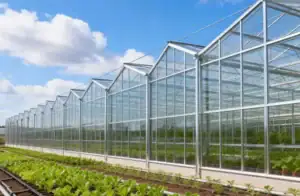
Indoor agriculture stands out as a game-changer when compared to conventional farming practices. By shifting production from open fields to controlled indoor spaces, growers can mitigate weather-related uncertainties, such as droughts, floods, or unexpected frosts. This method significantly reduces crop losses and ensures a more consistent supply of fresh produce throughout the year. Moreover, vertical farming systems can stack multiple layers of crops within the same footprint, dramatically boosting output per square foot—something that traditional horizontal fields cannot match.
Another key benefit lies in resource efficiency. Indoor agriculture systems often employ hydroponic or aeroponic growing methods, which use up to 90% less water than soil-based farming. Nutrients are delivered directly to plant roots, minimizing waste and runoff. This level of precision not only conserves valuable resources but also translates to cleaner waterways and healthier ecosystems. Finally, by relocating farms closer to urban centers, indoor agriculture shortens the supply chain, reducing transportation costs and carbon emissions associated with long-distance shipping. Consumers reap the rewards with fresher produce and a smaller environmental footprint.
Sustainability in Indoor Agriculture: Water Conservation and Reduced Pesticide Use
Water scarcity poses a growing threat to global food security, but indoor agriculture offers an elegant solution. Advanced closed-loop irrigation systems continually recycle water and nutrients, ensuring minimal waste. Sensors monitor moisture levels in real time, prompting irrigation only when plants need it. This data-driven approach can reduce water consumption by up to 95% compared to field farming, a critical advantage in arid regions or during prolonged droughts.
In addition to conserving water, indoor agriculture virtually eliminates the need for chemical pesticides. Controlled environments allow growers to manage pests through physical barriers, beneficial insects, and UV sterilization. By avoiding harmful agrochemicals, farmers produce cleaner, safer food and prevent soil and groundwater contamination. The result is a truly sustainable system that aligns with both environmental stewardship and consumer demand for pesticide-free produce.
Maximizing Yields Through Controlled Environments
One of the most compelling features of indoor agriculture is the ability to fine-tune environmental variables. LED grow lights can be programmed to mimic natural daylight cycles or optimized spectra for specific crops. Temperature, humidity, and CO2 levels are adjusted to ideal ranges around the clock, accelerating plant growth and improving quality. This level of precision simply isn’t achievable in traditional outdoor farms where conditions fluctuate unpredictably.
Moreover, data analytics and machine-learning algorithms continuously analyze crop performance, identifying growth patterns and potential issues before they become major problems. Predictive modeling can forecast harvest timelines and yield outputs with impressive accuracy. The combination of automation, robotics, and AI-driven insights ensures that every farm inch operates at peak efficiency, maximizing both productivity and profitability for growers engaged in indoor agriculture.
Economic Viability of Indoor Farming
While upfront capital expenditures for indoor agriculture can be substantial—owing to lighting, climate control, and automation systems—long-term returns often justify the investment. Year-round production eliminates the seasonal gaps inherent in traditional farming, ensuring steady cash flow. Additionally, the high-density cultivation methods yield multiple harvest cycles annually, significantly enhancing revenue potential.
Energy costs remain one of the primary concerns, but advancements in energy-efficient LED lighting and renewable energy integration are driving expenses downward. Some facilities now harness solar panels or biogas to offset electricity usage. Labor costs are also declining due to robotics and automated seeding, harvesting, and packaging processes. When all factors are considered, many indoor agriculture operations reach break-even points within a few years, with projections indicating healthy profit margins thereafter.
The Future Landscape of Indoor Agriculture: Trends and Opportunities
As technology continues to evolve, indoor agriculture is poised to become even more scalable and accessible. Innovations such as modular farming units allow entrepreneurs to deploy compact farms in diverse settings, from rooftop greenhouses to repurposed warehouse spaces. Blockchain technology is also gaining traction for supply-chain transparency, enabling consumers to trace the origin of their produce with confidence.
Emerging markets in developing countries represent untapped potential for indoor agriculture, particularly in regions facing extreme weather or limited arable land. Public-private partnerships and government incentives can accelerate adoption, fostering local food security and economic development. Collaboration between academia, industry, and policymakers will be crucial in addressing regulatory challenges and standardizing best practices. The future of indoor agriculture is not just about higher yields—it’s about building resilient, sustainable food systems that can thrive in an ever-changing world.
Conclusion
Indoor agriculture represents a paradigm shift in how we cultivate and consume food. By leveraging controlled environments, precision technology, and sustainable practices, this innovative approach offers a resilient solution to the challenges of traditional farming. From water conservation and pesticide reduction to consistent, high-quality yields, the benefits are substantial and far-reaching.
As costs continue to decrease and technological advancements accelerate, indoor agriculture is set to play a pivotal role in future food systems. Embracing this revolution can help ensure that our global population enjoys access to fresh, nutritious produce while safeguarding the planet’s resources for generations to come.
