


Imagine a world where your garden flourishes without soil, yielding lush greens and vibrant flowers all year round. Sounds almost magical, doesn’t it? Well, this is not a scene from a science fiction novel but a glimpse into the incredible possibilities presented by a hydroponic plant system. This innovative method is transforming the way we think about gardening, offering a solution to age-old agricultural challenges like limited space, poor soil quality, and unpredictable weather conditions. By nurturing plants in nutrient-rich water, hydroponics opens the door to a more sustainable and efficient way of growing your favorite plants in the comfort of your own home.
Delving deeper into the concept reveals even more exciting prospects. For instance, did you know that systèmes hydroponiques can use up to 90% less water than traditional gardening methods? Not only does this make them an eco-friendly choice, but it also means that they can be set up virtually anywhere — from a small apartment balcony to a rooftop in the heart of a bustling city. Whether you’re a seasoned gardener or a curious newbie, understanding how hydroponic plant systems work can radically change the way you approach your home gardening projects. Join us as we explore this groundbreaking technique and discover how you can harness its power to revolutionize your garden.

Benefits of Hydroponic Plant Systems
Hydroponic plant systems offer a remarkable range of benefits that cater to both novice gardeners and seasoned horticulturists. One of the most compelling advantages is the significant water efficiency they provide. In a traditional soil-based garden, much of the water is lost to evaporation or runoff, but a well-designed hydroponic plant system recirculates nutrient solution, reducing water usage by up to 90%. This makes hydroponics an eco-friendly choice, especially in areas prone to drought or where water conservation is a priority. Additionally, the controlled environment minimizes weed growth and pest infestations, meaning fewer chemicals and pesticides are required to maintain healthy crops.
Space efficiency is another major benefit of hydroponics. Because plants can be grown vertically or in stacked configurations, you can cultivate more produce within a limited footprint—ideal for urban dwellers with balconies or small patios. Moreover, plants in a hydroponic setup often grow faster and yield higher harvests compared to soil-grown counterparts. This accelerated growth is due to the direct delivery of nutrients to the plant roots, allowing for optimal nutrient uptake and less energy expended on root expansion. Lastly, hydroponic systems provide gardeners with year-round production capabilities, shielding plants from unpredictable weather, seasonal limitations, and harmful soil-borne diseases.
Understanding the Basics of Hydroponics
At its core, hydroponics is the technique of growing plants without soil by using a nutrient-rich water solution. The absence of soil does not hinder plant growth; rather, it enhances it by allowing roots direct access to the essential minerals and oxygen they require. A typical hydroponic plant system consists of a reservoir to hold the nutrient solution, a method to deliver this solution to plant roots, and a supporting structure—often inert—such as perlite, vermiculite, coconut coir, or rockwool. These media stabilize the plants while ensuring adequate aeration.
Another critical component in hydroponics is the delivery mechanism. This can be passive, as in wick systems that draw nutrient solution up to the roots, or active, like pump-driven setups that flood and drain the growing area at intervals. Understanding these fundamentals is crucial for setting realistic expectations and achieving successful yields. With knowledge of the basic principles—nutrient solution formulation, root aeration, and water circulation—any gardener can transform a simple water reservoir into a thriving mini-farm right at home.
Types de systèmes hydroponiques
Hydroponic plant systems come in various configurations, each designed to meet specific crop needs, space constraints, and management preferences. The most common types include Wick Systems, Deep Water Culture (DWC), Ebb and Flow (Flood and Drain), Nutrient Film Technique (NFT), Drip Systems, and Aeroponics. While each system operates on the same principle of delivering nutrient-rich water to plant roots, their methods of delivery and complexity vary.
Choosing the right hydroponic setup depends on factors like the types of plants you wish to grow, your budget, maintenance commitment, and available space. Some systems are ideal for beginners due to their simplicity and low cost, while others, such as aeroponics and NFT, demand more technical expertise but promise higher yields and faster growth rates. Below, we explore several popular system types in more detail.
Essential Components for a Hydroponic Setup
A successful hydroponic plant system requires a few key components that work in harmony to support healthy plant growth. First and foremost is the growing container or tray, where plants are held in place. This container must be sturdy, waterproof, and capable of holding the chosen growing medium. Next, a reservoir stores the nutrient solution; it should be opaque to prevent algae growth and equipped with ports for pumps and tubing.
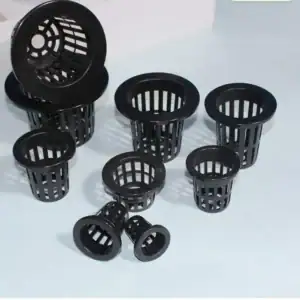
Water pumps and air pumps are vital for maintaining circulation and oxygenation. A water pump distributes the nutrient solution through the system, ensuring roots receive a fresh supply of nutrients at regular intervals. An air pump, paired with air stones, oxygenates the solution, preventing root suffocation. Additional components include tubing, fittings, and net pots or cups to secure plants in place. Finally, lighting—whether sunlight or artificial grow lights—plays a critical role in photosynthesis and directly influences growth rate and plant health.
Nutrient Solutions and pH Levels in Hydroponics
One of the secrets to thriving hydroponic gardens lies in the precise formulation of nutrient solutions. Unlike soil, which naturally contains minerals and microorganisms, hydroponic systems require you to mix water-soluble fertilizers to provide essential macronutrients (nitrogen, phosphorus, potassium) and micronutrients (iron, magnesium, calcium) in exact proportions. High-quality hydroponic nutrient blends are readily available, but diligent monitoring is crucial to prevent nutrient imbalances that can stunt growth or cause deficiencies.
Equally important is maintaining the correct pH level in the nutrient solution. Plants typically thrive in a slightly acidic environment, with an optimal pH range between 5.5 and 6.5. If the solution drifts outside this range, some nutrients become less soluble and thus unavailable to the plants, leading to nutrient lockout. Regular pH testing—performed at least once a day—alongside adjustments using pH up or pH down solutions, ensures your hydroponic plant system remains in prime condition for maximum nutrient uptake.
Conclusion: Embracing the Future of Home Gardening
Hydroponic plant systems represent the next frontier in sustainable gardening, blending science and nature to deliver efficient, high-yield crops with minimal resource waste. By mastering the basics—from system selection to nutrient management—you can enjoy fresh produce year-round, regardless of climate or soil quality.
Whether you’re a hobbyist looking to grow herbs on your kitchen counter or an urban farmer scaling up for local markets, hydroponics offers an adaptable, rewarding path to greener living and healthier harvests.