





Imagine stepping into your backyard, greeted by the lush, thriving greenery of your own flourishing garden. A polytunnel greenhouse can turn that dream into reality, serving as a powerful tool to extend your growing season and maximize your harvest. With its unique design and versatility, a polytunnel can protect your plants from the unpredictable elements, allowing you to cultivate an array of vegetables, fruits, and flowers throughout the year. However, simply setting up a polytunnel isn’t enough; understanding how to fully utilize this gardening marvel is the key to transforming your harvest from modest to magnificent.
Despite its many benefits, many gardeners find themselves overwhelmed when it comes to optimizing their polytunnel greenhouse. The path to success can seem daunting without the right guidance, leading to missed opportunities and disappointing yields. But fear not—the secrets to a bountiful harvest are within reach. By mastering a few essential tips and techniques, you can ensure that every square inch of your polytunnel works harmoniously to produce vibrant, healthy crops. Whether you’re a seasoned gardener or a beginner, these strategies will equip you to harness the full potential of your polytunnel, yielding results that will delight both your taste buds and your eyes.

Choosing the Right Location for Your Polytunnel
Selecting an optimal site for your polytunnel greenhouse is the foundation for a thriving growing environment. First, prioritize an area that receives at least six to eight hours of direct sunlight daily. South- or southeast-facing spots are ideal, as they capture the low-angle morning sun and maintain warmth into the afternoon. Avoid northern exposures or heavily shaded areas under large trees, since inadequate light can stunt plant growth and encourage fungal issues. Additionally, ensure the chosen ground is level to prevent water pooling and structural stress on your greenhouse frame.
Beyond sunlight, consider wind exposure and shelter. While good air movement helps reduce humidity-related diseases, constant strong winds can damage the polytunnel covering and cool the interior rapidly. If you live in a windy region, position your structure near a natural windbreak—such as a hedge, fence, or outbuilding—or install a low fence to mitigate gusts. Finally, think about accessibility: place the polytunnel greenhouse near a water source and close enough to your house or tool shed for convenience. Easy access encourages regular maintenance, harvesting, and monitoring, all of which are vital for a successful growing season.
Maximizing Natural Light Exposure
Light is the lifeblood of any greenhouse. To maximize sunlight penetration in your polytunnel greenhouse, keep sidewalls and end walls clear of obstructions. Prune overhanging tree limbs and avoid placing tall structures or mounds that could cast shadows inside. Bright, reflective surfaces—like whitewashed walls or reflective mulch—can bounce additional sunlight onto lower leaves, improving photosynthesis on overcast days.
Seasonal adjustments also matter. In winter, position cold frames or benches to allow the sun’s lower arc to warm the soil. During summer, use shade cloth selectively to block extreme heat without cutting out beneficial light. Rotating pots and benches halfway through the day ensures even plant development, preventing leggy growth as crops vie for the brightest spots. These measures combine to provide a consistently lit environment that promotes vigorous, uniform growth.
Maintaining Optimal Temperature and Humidity Levels
Temperature and humidity control are pivotal for a productive polytunnel greenhouse. Aim to keep daytime temperatures between 65°F and 75°F (18°C–24°C) for most vegetables, and slightly cooler at night to promote sturdier stems. Excessive heat can stress plants, while cold spikes slow growth and encourage disease. Invest in a quality thermometer and hygrometer to monitor conditions and adjust as necessary.
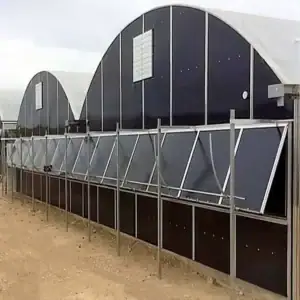
Ventilation plays a crucial role in balancing humidity and temperature. Install roof vents or roll-up sides to release hot, stale air on warm days, and secure insect mesh to keep pests at bay. On cooler mornings, close the vents to retain warmth. For added protection, consider thermal screens or bubble wrap insulation during frosty periods. This dynamic management keeps your polytunnel greenhouse environment in the sweet spot for optimal plant health.
Efficient Irrigation and Watering Practices
Watering in a polytunnel greenhouse requires consistency and precision. Overwatering can lead to root rot and fungal outbreaks, while under-watering stresses plants and reduces yields. Systèmes d'irrigation au goutte-à-goutte are a smart choice, delivering water directly to the root zone and conserving moisture. Pair them with timers to provide even, controlled hydration without daily manual labor.
Grouping plants by water needs helps avoid watering conflicts: moisture-loving lettuces and herbs in one zone, drought-tolerant crops like tomatoes and peppers in another. Check soil moisture regularly by probing with your finger or a moisture meter—soil that feels slightly damp 1–2 inches below the surface is optimal. Mulching with organic materials like straw or leaf mold further retains soil moisture, reduces evaporation, and suppresses weeds, ensuring your polytunnel greenhouse stays hydrated efficiently.
Pest and Disease Prevention in Your Polytunnel Greenhouse
Protecting your crops from pests and diseases is easier in a controlled environment—but vigilance is key. Start with clean equipment and sanitized surfaces to prevent carryover of pathogens. Inspect new plants before introducing them to reduce risk of infestations. Rotate crop families each season to disrupt pest life cycles and minimize soil-borne diseases.
Encourage beneficial insects—such as ladybugs, lacewings, and predatory mites—by planting companion flowers like marigolds and alyssum. Biological controls, like Bacillus thuringiensis for caterpillars, can be applied safely inside a polytunnel greenhouse without harming pollinators. At the first sign of trouble, prune affected leaves or employ targeted organic sprays. Regular scouting for aphids, whiteflies, and fungal spots keeps issues small before they escalate into crop-threatening outbreaks.
Conclusion: Enjoying the Fruits of Your Labor
With these tried-and-true strategies for site selection, light management, climate control, watering efficiency, and pest prevention, your polytunnel greenhouse is poised to deliver exceptional yields. Each step—from choosing the perfect spot to fine-tuning irrigation—builds toward a productive, balanced growing environment.
As you implement these tips, monitor your plants closely, adapt to seasonal changes, and celebrate the harvests that follow. Your careful planning and consistent care will soon reward you with bountiful, flavorful produce—and the satisfaction of mastering your own private growing sanctuary.
