




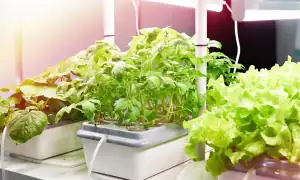

Imagine stepping into a room where every corner blooms with life and elegance. Indoor gardening has taken the world by storm, offering not just a hobby but a sanctuary within our homes. Yet, many of us face the same dilemma: how to manage space effectively while maintaining an aesthetically pleasing environment. This is where the innovative planting cup comes into play, a game-changer for those looking to marry style with functionality. These little wonders not only save space but also elevate the look of any room, transforming your indoor garden into a modern oasis.
The beauty of the planting cup solution lies in its versatility and ease of use. Gone are the days of bulky pots and cumbersome planters. Instead, these sleek and compact alternatives allow you to get creative—hanging them on walls, lining windowsills, or clustering them in artistic arrangements. Whether you’re a seasoned plant enthusiast or a beginner looking to embark on your green journey, this stylish solution presents endless possibilities for enhancing your living space. Let’s dive into how these cleverly designed cups can redefine your approach to indoor gardening, adding a splash of nature’s charm wherever you desire.
Benefits of Indoor Gardening with Planting Cups
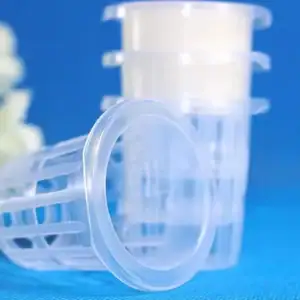
Indoor gardening with a planting cup offers a host of advantages that make it an attractive option for both novice and experienced plant lovers. First and foremost, the compact size of planting cups allows you to cultivate a variety of plants—even in the smallest of spaces. Whether you live in a tiny apartment or simply want to maximize counter space in your kitchen, these cups fit snugly on windowsills, shelves, or desktops without overwhelming the area. Their lightweight design makes rearranging and experimenting with new layouts a breeze, helping you find the perfect balance between greenery and room functionality.
Another significant benefit of using a planting cup is improved plant health. Most planting cups are designed with built-in drainage solutions—such as perforations or double-wall reservoirs—that prevent waterlogging and root rot. Proper drainage ensures that excess moisture is whisked away from the roots, promoting healthier, more vigorous growth. Additionally, many planting cups are made from breathable materials or include eco-friendly liners that regulate soil aeration, giving roots the oxygen they need to thrive.
Beyond practicality, planting cups serve as a stylish accent in any décor scheme. Available in a vast array of colors, textures, and shapes, they allow you to create visually striking arrangements that complement your interior design. Cluster several cups together for a dynamic focal point, or mix and match finishes to highlight different plant species. Whether you’re curating a minimalist Scandinavian-inspired corner or adding a bohemian flourish to your living room, planting cups provide the perfect canvas for your creativity.
Maintenance Tips for Indoor Plants in Planting Cups
Caring for indoor plants in planting cups is straightforward, though it requires attention to watering schedules and potting mix quality. The small volume of soil in a cup means moisture levels can change quickly, so consistent monitoring is key. Use a moisture meter or simply stick your finger an inch into the soil to gauge dryness before watering. Overwatering can lead to root rot, while underwatering may cause your plants to wilt and stunt their growth.
Choosing the right soil blend is equally important. Opt for a well-draining potting mix enriched with perlite or vermiculite to maintain airflow around roots. Fertilize sparingly: a balanced, water-soluble fertilizer applied at half strength every four to six weeks is typically sufficient. Finally, rotate your planting cups periodically to ensure even light distribution and prevent plants from leaning toward a single light source.
Planting Cup DIY Projects to Personalize Your Space
Transforming ordinary planting cups into unique art pieces is easier than you might think. Begin by selecting plain ceramic, clay, or metal cups as your base. Consider using acrylic paints to craft geometric patterns, ombre effects, or botanical illustrations that echo the plants within. Stencils and painter’s tape can help achieve crisp lines, while freehand painting allows for a more organic, whimsical feel.
For a more textural approach, experiment with materials like jute twine, decorative washi tape, or fabric scraps to wrap around your cups. Attach small wooden beads or brass studs for an artisanal accent. Sealing your decorations with a clear varnish ensures they withstand watering and humidity. These DIY projects not only elevate the look of your planting cup but also make wonderful personalized gifts for friends and family who share your passion for indoor gardening.
Enhancing Home Decor with Stylish Planting Cup Displays
Planting cups can serve as functional design elements that elevate any room’s ambiance. One popular approach is creating a cascading wall garden by mounting small shelves or modular rail systems and lining them with cups filled with trailing vines like pothos or string of pearls. This living artwork transforms blank walls into vibrant green statements without taking up floor space.
Alternatively, group planting cups on a tiered plant stand or vintage ladder to form a lush centerpiece in your living room or entryway. Mixing different cup shapes and materials—such as matte ceramic, glass, or metallic finishes—introduces visual contrast and interest. Place cups at varying heights and angles to create depth, ensuring each plant receives adequate light. For a cohesive look, unify color palettes across cups or choose complementary plant varieties that echo your home’s décor theme.
Maximizing Small Spaces with Vertical Planting Cup Gardens
Vertical gardening with planting cups is a brilliant solution for those who want a green oasis but lack floor real estate. By utilizing wall-mounted panels, hanging grid systems, or suspended hanging bars, you can transform ordinary walls into thriving vertical landscapes. This technique is particularly effective in tiny apartments, balconies, or narrow hallways where traditional planters would be impractical.
Start by measuring your wall space and selecting a sturdy mounting system that can support the combined weight of cups filled with soil and water. Install hooks or brackets at equal intervals, then hang your planting cups in a staggered pattern to optimize light exposure and airflow. Choose a mix of low-maintenance plants—such as succulents, air plants, and herbs—that adapt well to vertical environments. Regularly mist these plants to maintain humidity levels, and water from the top, allowing excess moisture to trickle down. This not only keeps upper tiers hydrated but also benefits lower levels, creating a self-watering ecosystem within your vertical planting cup garden.
Conclusion: Elevating Your Indoor Garden with Planting Cups
Incorporating planting cups into your indoor gardening routine offers a harmonious blend of functionality, style, and innovation. Their space-saving design, ease of maintenance, and decorative versatility make them an indispensable tool for any plant lover seeking to elevate their home environment.
Whether you’re enhancing a cozy reading nook, personalizing DIY decor, or creating a stunning vertical display, planting cups provide endless opportunities for creativity and green living. Embrace this modern approach to indoor gardening and watch your space flourish with renewed vitality and charm.
