





Imagine stepping into your garden and being greeted by a lush tapestry of vibrant greenery, each plant flourishing as if it were in its native habitat. Yet, for many aspiring gardeners, achieving this vision seems as elusive as a gentle breeze on a windless day. The struggle to maintain optimal conditions for every plant can feel like an endless cycle of trial and error. However, there’s a revolutionary solution that can transform these challenges into successes: the ebb and flow grow system.
This ingenious method, often celebrated by horticultural enthusiasts for its simplicity and effectiveness, mimics the natural tidal movements found in nature. It ensures that your plants receive just the right amount of nutrients and water, fostering an environment where they can truly thrive. Whether you’re a seasoned green thumb or a budding gardener, the ebb and flow grow system offers a seamless path to cultivating a thriving garden. As we delve into its benefits and practical applications, you’ll discover how this system can be the game-changer you’ve been searching for—turning your gardening dreams into reality.

Understanding the Ebb and Flow Grow System
The ebb and flow grow system is a hydroponic technique that cycles nutrient-rich water to plant roots, then drains it back into a reservoir. By replicating the natural ebb and flow of tides, this method ensures roots are alternately submerged in nutrient solution and exposed to oxygen-rich air. The core components include a reservoir for holding the water and nutrients, a pump to push solution into the grow tray, and a timer that controls flooding and draining intervals. Grow trays typically sit above the reservoir on a tilted or level surface, allowing gravity to return excess fluid to its source once the flood cycle ends.
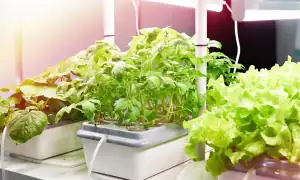
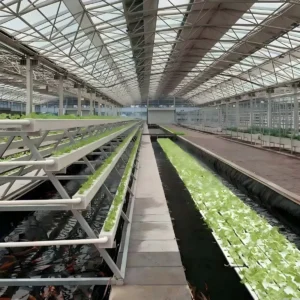
At its heart, the ebb and flow grow system leverages simplicity to deliver remarkable results. The intermittent flooding immerses roots in nutrients, while the subsequent draining phase encourages oxygen uptake and prevents waterlogging. This balance between hydration and aeration promotes healthy root development and efficient nutrient absorption. Whether you’re cultivating leafy greens, aromatic herbs, or flowering ornamentals, this system adapts to a variety of plant types and scales—from small indoor setups to large commercial operations—making it an accessible choice for gardeners of all levels.
Advantages of Implementing the Ebb and Flow System
One of the primary advantages of the ebb and flow grow system is its water efficiency. Because the same nutrient solution is recirculated through the plants, water usage is significantly reduced compared to traditional soil gardening. This closed-loop design conserves resources and lowers operating costs, making it an environmentally friendly and budget-conscious choice. Additionally, by automating flood and drain cycles, gardeners spend less time on manual watering and more time on planning and enjoying their harvests.
Beyond resource savings, the ebb and flow grow system delivers consistent nutrient delivery and oxygenation, leading to uniform plant growth. The rhythmic flooding ensures roots receive fresh nutrients at controlled intervals, while the draining phase prevents root rot and fungal issues by exposing roots to air. This precise control over the root environment enhances plant vigor and yields, translating to healthier foliage, robust blooms, and abundant produce. Finally, the versatility of this system allows it to integrate with various grow media—such as clay pebbles, rockwool, or gravel—giving gardeners flexibility to customize their setups for specific crops or space constraints.
Setting Up Your Ebb and Flow Grow System
To establish a successful ebb and flow grow system, begin by selecting a sturdy reservoir sized to accommodate your desired number of plants and the volume of nutrient solution needed. Place the reservoir on a stable, level surface. Next, position a grow tray above the reservoir, ensuring it sits securely and allows gravity to drain water back into the reservoir. Install a reliable submersible pump inside the reservoir, connected via tubing to a flood inlet in the grow tray. Program a timer to activate the pump at regular intervals—commonly five to eight times daily, depending on plant requirements and ambient conditions.
After plumbing your system, choose a suitable grow medium such as expanded clay pebbles, coco coir, or coarse sand to support plant roots. Fill the grow tray with media, insert net pots or secure seedlings directly into the substrate, and pour a properly mixed nutrient solution into the reservoir. Run a few test cycles to verify that the tray floods evenly and drains completely within the set timeframe. Adjust pump power, timer duration, or tray tilt as needed to achieve consistent flooding and draining. With these steps complete, your ebb and flow grow system is primed to deliver balanced nourishment and oxygenation to your plants, paving the way for vigorous growth and bountiful harvests.
Selecting the Right Plants for the Ebb and Flow System
The ebb and flow grow system excels with a variety of crops, particularly those that favor frequent nutrient access and high oxygen levels around their root zones. Leafy greens such as lettuce, spinach, and kale are ideal, rapidly responding to the consistent hydration and nutrient supply. Herbs like basil, mint, and cilantro also flourish in this environment, often producing more aromatic leaves and faster growth compared to soil-based methods. For gardeners interested in ornamental blooms, select compact flowering plants like petunias or marigolds, which adapt well to periodic flooding and draining.
While the ebb and flow grow system accommodates many species, consider root system depth and plant size when planning your garden. Deep-rooted crops such as tomatoes or cucumbers can thrive if provided with adequate tray depth and media support, but may require more frequent cycle adjustments. Conversely, delicate seedlings and microgreens benefit from shorter flood intervals and finer substrates. Ultimately, trialing different varieties will help you determine optimal cycle durations and media choices. By matching plant needs to the ebb and flow system’s capabilities, you unlock the full potential of this versatile hydroponic approach, ensuring lush, productive growth across your garden.
Maximizing Space Efficiency with Vertical Ebb and Flow Gardens
Vertical gardening transforms limited square footage into a multi-tiered oasis, and the ebb and flow grow system adapts seamlessly to this format. Modular vertical towers or stacked trays allow you to flood and drain multiple levels of plants using a single reservoir and pump setup. By routing tubing to each tier and calibrating flood durations to account for elevation differences, you maintain uniform nutrient distribution across all layers. This approach is perfect for balconies, patios, or indoor growing rooms where horizontal space is at a premium, enabling you to cultivate a greater variety and quantity of crops without expanding your footprint.
In vertical ebb and flow systems, gravity drives efficiency—excess nutrient solution cascades from the topmost tier down to lower levels before returning to the reservoir. This not only streamlines irrigation logistics but also conserves water by recirculating fluid through each plant tier. The vertical orientation improves air circulation around foliage, reducing humidity-related disease risks. Furthermore, your vertical garden can double as a living wall or decorative feature, bringing lush greenery closer to eye level. With this innovative adaptation of the ebb and flow grow system, you maximize yield per square inch while creating an inspiring, productive vertical landscape.
Conclusion
The ebb and flow grow system revolutionizes home gardening by delivering precise water and nutrient cycles that mimic nature’s tidal rhythms. Its automated, resource-efficient design simplifies maintenance while boosting plant health and yields. By carefully setting up your system, selecting compatible crops, and even expanding vertically, you can transform any space into a lush, productive oasis.
Whether you’re a hobbyist seeking bountiful salad greens or an enthusiast growing ornamental blooms, this versatile hydroponic method empowers you to cultivate with confidence. Embrace the ebb and flow grow system and watch your garden flourish like never before—an investment in innovation that pays off in vibrant, thriving plants.
