





Hydroponic gardening is an innovative method of growing plants without soil. Instead of soil, this method utilizes a water-based plant growing system rich in essential nutrients. The technique has gained popularity due to its efficiency and ability to produce high yields with minimal environmental impact. In this article, we’ll delve into the Hydroponic Grow System, exploring its components, benefits, and how it all comes together.
Hydroponics is a soilless cultivation mechanism where plants are grown in water infused with nutrient solutions. This method allows plants to grow faster and produce more fruit compared to traditional soil-based gardening. The absence of soil reduces the risk of pests and diseases, making hydroponics a preferred choice for urban and indoor farming.
 The Working Principle of Hydroponic Systems
 The Working Principle of Hydroponic Systems
The hydroponic system’s working principle is based on delivering essential nutrients directly to the plant roots. This is achieved through a nutrient-rich water solution, which circulates the plant roots. The system eliminates the need for soil by providing the necessary support and nutrients through water and other mediums like perlite, rock wool, or clay pellets.
Components of a Hydroponic System
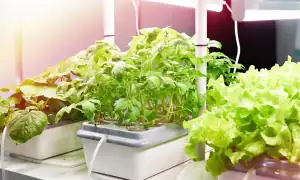
- Grow Lights: Since many hydroponic setups are indoors, grow lights are used to mimic sunlight, providing the energy plants need for photosynthesis.
- Water Reservoir: This holds the nutrient solution that is circulated through the system.
- Nutrient Solution: A balanced mix of essential minerals and nutrients dissolved in water, crucial for plant growth.
- Grow Trays: These support the plants and allow the nutrient solution to flow around the roots.
- Pump and Tubing: These are used in the hydroponic circulation system to move the nutrient solution from the reservoir to the grow trays.
- Air Pump and Air Stone: Essential for hydroponic oxygenation, these ensure that the water solution remains oxygen-rich, which is vital for healthy root development.
Types de systèmes hydroponiques
 Types de systèmes hydroponiques
Several hydroponic systems cater to different needs and scales of operation:
Nutrient Film Technique (NFT)
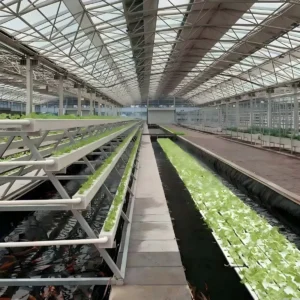
In NFT systems, a thin film of nutrient solution flows continuously over the roots of plants. This ensures constant access to nutrients and oxygen. However, a reliable pump and power source are critical to prevent root drying.
Deep Water Culture (DWC)
DWC systems involve suspending plant roots in a nutrient-rich solution with an air pump providing oxygen. This simple yet effective system is ideal for beginners due to its ease of setup and maintenance.
Drip Systems
Drip systems deliver nutrient solutions to the plant roots using a network of tubes and emitters. These systems can be fine-tuned to suit the specific needs of different plants, making them versatile and efficient.
Aeroponics
Aeroponics involves misting the plant roots with a nutrient solution, providing maximum oxygenation. This advanced method promotes rapid growth but requires precise control and maintenance.
Vertical Farming
Vertical farming is a form of hydroponics where plants are grown in stacked layers. This approach maximizes space utilization and is ideal for urban areas with limited space.

Nutrient Delivery in Hydroponics
The nutrient delivery in hydroponics is a crucial factor for plant growth. The solution must be precisely balanced to provide all the necessary nutrients without causing toxicity or deficiencies. Regular monitoring and adjustments are necessary to maintain optimal nutrient levels.
Hydroponic Oxygenation and Nutrients
Oxygen is critical in hydroponic systems. Without soil, plants rely on the oxygen dissolved in water. An air pump and air stone are used to maintain oxygen levels, preventing root rot and promoting healthy growth.
Benefits of Hydroponic Systems
Hydroponics offers several advantages over traditional farming methods:
- Efficient Water Use: Hydroponic systems use up to 90% less water than traditional soil-based gardening.
- Space Efficiency: Vertical farming and compact setups allow for high-density planting, maximizing yield per square foot.
- Faster Growth: Direct nutrient delivery accelerates the plant growth process, resulting in quicker harvest cycles.
- Reduced Pest and Disease Risk: The absence of soil minimizes exposure to pests and soil-borne diseases.
Challenges and Considerations
While hydroponics offers many benefits, it also presents certain challenges:
- Initial Setup Costs: The equipment and setup for a hydroponic system can be expensive initially.
- Technical Knowledge: Understanding nutrient balance, pH levels, and system maintenance is crucial for successful hydroponic gardening.
- Power Dependency: Many systems rely on electricity for pumps and grow lights, making them vulnerable to power outages.
Conclusion
Hydroponic grow systems offer an innovative and efficient way to cultivate plants, making them an attractive option for urban gardeners and commercial farmers alike. By understanding the hydroponic circulation system and nutrient delivery in hydroponics, you can optimize plant growth and achieve impressive yields. Whether you’re looking to grow a few herbs at home or scale up to commercial production, hydroponics provides a sustainable and productive path forward.
With this knowledge, you’re well-equipped to explore the world of hydroponics and harness its potential to revolutionize the way you grow plants.
