






Imagine stepping into a vibrant oasis where lush, green plants thrive without the touch of soil. This is the enchanting world of hydroponic greenhouses, where innovation meets nature to yield bountiful harvests even in the most challenging environments. The concept may seem daunting at first, but with the right guidance, anyone can cultivate their own flourishing greenhouse. Whether you’re a seasoned gardener or a curious beginner, the secrets to achieving a thriving hydroponic ecosystem are within your grasp.
Hydroponics offers a fascinating method to grow plants efficiently and sustainably, using nutrient-rich water solutions that nourish even the most delicate seedlings. As urban spaces shrink and traditional farming faces challenges, the demand for effective and innovative growing methods has never been higher. In this blog post, we’ll unveil the best hydroponic greenhouse tips to transform your space into a productive sanctuary, promising not just a hobby but a gateway to abundant, homegrown produce year-round. Prepare to embark on a journey that merges technology, nature, and creativity in ways you never imagined.
Choosing the Right Hydroponic System for Your Greenhouse
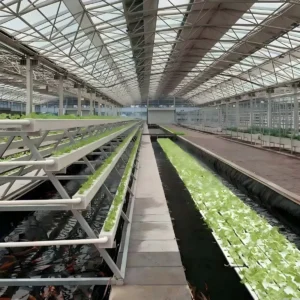
Selecting the ideal hydroponic system is foundational to achieving consistent yields and healthy plant growth in the best hydroponic greenhouse setup. Among the most popular systems are NFT (Nutrient Film Technique), DWC (Deep Water Culture), ebb and flow, and drip irrigation. Each offers unique advantages: NFT recirculates a thin film of nutrient solution across roots, promoting oxygen uptake; DWC suspends roots in oxygenated water for rapid nutrient absorption; ebb and flow alternates flooding and draining to mimic natural wet-dry cycles; and drip systems deliver precise solution doses to each plant.
Your choice should hinge on plant type, greenhouse size, maintenance commitment, and budget. Leafy greens and herbs thrive in NFT and DWC systems due to their minimal root mass and rapid growth cycles, whereas fruiting crops like tomatoes or strawberries often perform better with drip irrigation or ebb and flow, which can better accommodate larger root structures and heavier nutrient demands. Beginners may favor simpler, low-maintenance DWC units or small-scale drip setups, while experienced growers can experiment with advanced, automated ebb and flow or aeroponic systems. By aligning system characteristics with your cultivation goals, you set the stage for optimal plant performance in your hydroponic greenhouse.
Setting Up the Perfect Environment for Your Hydroponic Greenhouse
Establishing the right microclimate within your hydroponic greenhouse is critical for plant health and yield. Temperature, humidity, and air circulation must be carefully controlled. Most hydroponic vegetables and herbs flourish between 65°F and 75°F during the day, with nighttime lows around 60°F. Exceeding 80°F can stress plants and encourage disease, while dips below 55°F slow growth. Use thermostats to automate heating and cooling, and install vents or exhaust fans to facilitate constant air exchange and prevent hot spots.
Maintaining relative humidity between 50% and 70% ensures that plants can transpire effectively without fostering fungal pathogens. Misting systems and humidifiers can boost moisture levels, whereas dehumidifiers or increased ventilation help to reduce excess humidity. Proper air circulation—through horizontal airflow fans or oscillating units—helps strengthen stems, discourages mold, and promotes uniform distribution of CO₂. By fine-tuning these environmental parameters, you’ll create an ideal home for your hydroponic crops to thrive throughout every growth stage.
Monitoring and Maintaining Proper pH Levels
pH balance is the foundation of nutrient uptake in hydroponic cultures. Plants typically absorb minerals most efficiently within a narrow pH window of 5.5 to 6.5. Outside this range, essential elements become less soluble, leading to deficiencies or toxicities that stunt growth and reduce yields. Regular monitoring with digital pH meters or colorimetric test kits is essential to catch imbalances early.
Adjustments can be made using pH up (alkaline) or pH down (acidic) solutions, applied in small increments and mixed thoroughly before retesting. Always aim for gradual corrections—abrupt swings stress the root zone and beneficial microbes. For consistent results, calibrate your pH meter weekly and replace probes as recommended. Maintaining stable pH levels ensures your nutrient solution remains bioavailable, setting the stage for vigorous root development and lush foliage in your hydroponic greenhouse.
Ensuring Sufficient Lighting for Optimal Growth
Light intensity and spectrum directly influence photosynthesis, morphology, and flowering in hydroponic greenhouse crops. Natural sunlight is ideal but inconsistent; supplemental grow lights are often necessary during shorter winter days or in cloudy climates. LED fixtures have become the go-to choice for many growers, offering energy efficiency, low heat output, and customizable spectra that cater to vegetative (blue light) and flowering (red light) stages.
Provide 12 to 16 hours of light per day for most leafy greens, increasing up to 18 hours for seedlings to encourage robust leaves and roots. Fruiting crops like tomatoes and peppers may require 14 to 18 hours during vegetative growth and 12 hours to trigger flowering. Position lights close enough to deliver 200–400 μmol/m²/s for greens and 400–700 μmol/m²/s for fruiting plants, but maintain a safe distance to prevent light burn. Proper lighting ensures your plants receive the energy they need to flourish in any season.
Managing Water Quality and Circulation
Water is the lifeblood of any hydroponic greenhouse, carrying nutrients and oxygen to roots while flushing away wastes. Start with high-quality water—preferably reverse-osmosis or dechlorinated municipal water—to avoid the buildup of salts and harmful chemicals. Test for parameters such as electrical conductivity (EC), total dissolved solids (TDS), and temperature. Aim for an EC between 1.2 and 2.0 mS/cm, depending on crop type, and maintain water temperatures between 65°F and 72°F to optimize oxygen solubility.
Efficient circulation prevents stagnation and promotes uniform nutrient distribution. Use submersible or inline pumps rated for continuous operation, and incorporate air stones or venturi injectors to boost dissolved oxygen levels. Schedule routine reservoir changes every one to two weeks, simultaneously cleaning tanks, tubing, and fittings to prevent algal growth and pathogen buildup. Consistent monitoring and maintenance of water quality and flow will secure the healthiest root zone and the most bountiful harvests.
Conclusion: Enjoying the Fruits of Your Hydroponic Greenhouse Efforts
With a well-chosen system, precise environmental control, balanced pH, adequate lighting, and pristine water management, you’re equipped to achieve remarkable results. Your best hydroponic greenhouse will reward you with faster growth cycles, superior yields, and nutrient-dense produce year-round.
Embrace these tips, stay curious, and continually refine your techniques. Soon, you’ll be harvesting luscious greens and vibrant fruits from your own innovative oasis—proof that thoughtful planning and dedicated care can transform any space into a flourishing hydroponic paradise.
