



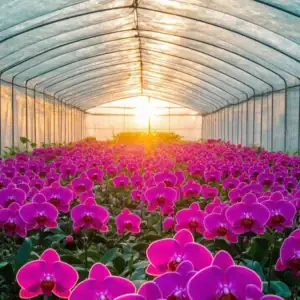
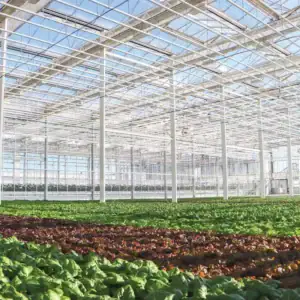
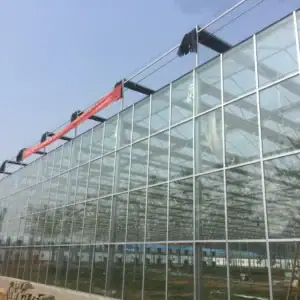
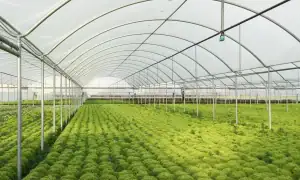

Imagine a world where you can cultivate fresh produce year-round, regardless of the climate outside your door. This is not a distant dream but a rapidly approaching reality thanks to the innovative concept of modular greenhouse designs. These cutting-edge structures are transforming traditional gardening, offering flexibility and efficiency previously thought impossible. With the ability to adapt to various environments and scale up based on needs, modular greenhouses are revolutionizing how we approach both personal and commercial agriculture.
In recent years, the urgency for sustainable food solutions has skyrocketed, driven by growing concerns over climate change and resource scarcity. This shift has propelled the popularity of modular greenhouse innovations, which promise not only to meet the demands of ravenous markets but also to do so with minimal environmental impact. As more individuals and businesses embrace this technology, they find themselves part of a movement that is rewriting the rules of cultivation. Delve into the myriad ways these greenhouses are poised to transform our approach to growing food, offering a glimpse into the future of gardening.
Benefits of Modular Greenhouse Designs
The foremost benefit of a Modular Greenhouse is its unparalleled flexibility. Unlike traditional glasshouses, modular units can be easily expanded, reduced, or repositioned to accommodate changing crop volumes and spatial constraints. This means growers can start small, then add extra modules as demand grows—optimizing investment and minimizing waste. Additionally, many systems are designed for rapid assembly and disassembly, making relocation feasible with minimal downtime. The modular nature also allows for customized layouts; rows of berries, vertical racks of leafy greens, or benches for potted herbs can be interchanged depending on seasonal priorities.
Energy efficiency is another key advantage. Modern modular greenhouses employ high-performance glazing, insulated panels, and reflective coatings that help maintain stable indoor climates while reducing heating and cooling costs. Integrated rainwater collection and energy-saving LED lighting systems further enhance sustainability. For commercial growers and hobbyists alike, the result is year-round production with significantly lower utility bills and a smaller carbon footprint. Ultimately, these benefits translate into higher yields, reduced overhead, and a more resilient gardening strategy—hallmarks of why modular greenhouse designs are quickly becoming the gold standard in horticulture.
Types of Modular Greenhouse Structures
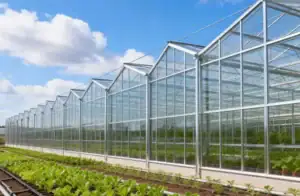
Modular greenhouse structures come in a variety of configurations to suit diverse growing conditions and operational scales. The most popular models include the classic gable-frame units, which offer excellent headroom and natural light distribution. Ridge-and-furrow systems connect multiple peaked modules in a continuous run, ideal for large-scale vegetable or flower cultivation. Lean-to designs attach to existing buildings, making them perfect for urban gardeners seeking to maximize limited space. Each of these types leverages modular construction techniques—pre-fabricated frames, snap-in glazing, and standardized connectors—to streamline setup and customization.
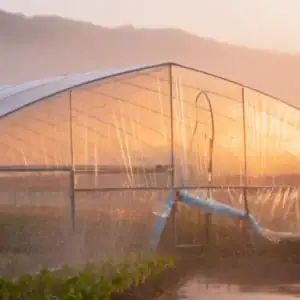
For smaller or mobile operations, hoop houses and polycarbonate pods provide lightweight, portable solutions. Hoop houses use bent PVC or metal hoops covered with UV-stable film, offering a quick and cost-effective way to extend growing seasons. More sophisticated pods combine rigid aluminum frames with twin-wall poly panels for enhanced insulation. These deployable units can be arranged in clusters or stacked vertically, creating multi-level growing arrays. By choosing the right modular greenhouse structure, growers can tailor their environment to specific crops, climate zones, and budgetary requirements without sacrificing performance or scalability.
Key Features to Look for in Modular Greenhouses
When evaluating a modular greenhouse, pay close attention to the durability of the frame and glazing materials. Aluminum or powder-coated steel frames resist rust and corrosion, ensuring structural integrity for years to come. Look for high-transmission polycarbonate panels or tempered safety glass that balances light diffusion with thermal insulation. Modular connectors should be robust yet simple to assemble, allowing quick expansion or modification without specialized tools.
Equally important are integrated environmental controls. Many modular greenhouse systems offer built-in vents, louvers, and automated fans to regulate temperature and humidity. Drip irrigation channels, misting systems, and gutter-connected rainwater harvesters help optimize water usage. Some advanced units feature pre-wired conduits for LED lighting and sensor networks. Prioritizing these key features will ensure your modular greenhouse operates efficiently, promotes healthy plant growth, and adapts seamlessly to your evolving cultivation needs.
Maximizing Space Efficiency in Modular Greenhouse Designs
Efficient use of space is a hallmark of successful modular greenhouse operations. Vertical farming racks and tiered bench systems turn wasted headroom into productive growing layers. Adjustable shelving enables the cultivation of both tall and low-stature crops in the same footprint. By integrating movable benches on rails, growers can compact rows when accessing plants and expand them for irrigation, maximizing density without sacrificing accessibility.
Additionally, combining soil-based beds with hydroponic or aeroponic modules optimizes nutrient delivery and water usage. Hydroponic gutters can run above ground plots, allowing vines or climbing plants to trail overhead while leafy greens flourish below. This intercropping approach harnesses every cubic inch of space. Modular greenhouse kits often come with configurable interior partitions and track systems, empowering gardeners to reconfigure layouts seasonally and keep productivity consistently high.
Incorporating Technology in Modular Greenhouses
Modern modular greenhouses are increasingly driven by smart technology, enabling automated monitoring and control of key growing parameters. Internet of Things (IoT) sensors measure temperature, humidity, CO2 levels, and soil moisture in real time, relaying data to cloud-based platforms. Growers receive alerts on their smartphones, allowing instant adjustments to ventilation, irrigation, or lighting. This precision agriculture approach minimizes waste, prevents crop stress, and maximizes yields.
Artificial intelligence and machine learning further refine greenhouse management. Predictive algorithms analyze historical climate data, crop performance, and market trends to recommend optimal planting schedules, nutrient formulations, and harvest timings. Automated systems can adjust LED spectra to match photosynthetic peaks, or initiate nighttime heating only when temperatures drop below set thresholds. The synergy of modular greenhouse design and advanced technology creates a highly responsive cultivation ecosystem—one that propels gardening into the digital era.
The Future Landscape of Agriculture with Modular Greenhouses
As population growth and urbanization intensify, modular greenhouses will play a pivotal role in reshaping global food systems. Their scalability and adaptability make them ideal for rooftop farms, suburban backyards, and even disaster relief zones. By decentralizing food production, communities gain resilience against supply chain disruptions and extreme weather events. Small-scale entrepreneurs and local cooperatives can invest in plug-and-play modular greenhouse units, fostering economic opportunities while reducing food miles.
On a larger scale, agribusinesses are experimenting with mega-modular complexes—multi-acre installations that integrate cultivation, processing, and research under one roof. These hubs harness renewable energy, water recycling, and AI-driven logistics to deliver fresh produce year-round at competitive prices. As innovations in materials, automation, and biotechnology continue to accelerate, the modular greenhouse concept will serve as a blueprint for sustainable agriculture, ensuring food security and environmental stewardship for generations to come.
Conclusion
The rise of the modular greenhouse marks a transformative chapter in modern cultivation, blending flexibility, efficiency, and sustainability. By enabling customizable configurations and integrating smart technologies, these structures empower growers of all scales to maximize yields while minimizing environmental impact.
As we look ahead, modular greenhouses will be central to urban farming initiatives, community resilience projects, and high-tech agribusiness ventures. Embracing this innovation today means investing in a greener, more food-secure tomorrow.
