



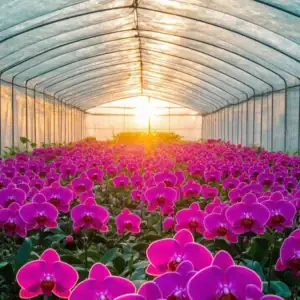
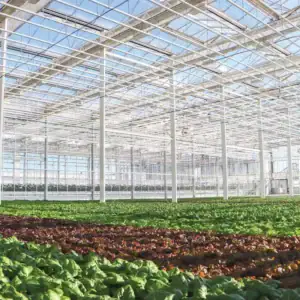
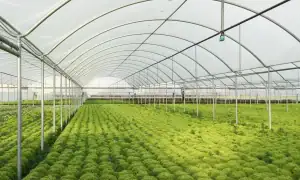
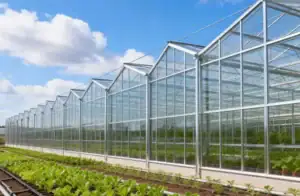
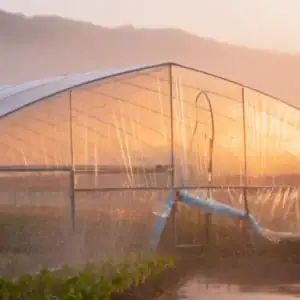

The vast fields of agriculture are undergoing a remarkable transformation, and at the heart of this evolution lies the innovation of commercial greenhouse designs. Imagine stepping into a space where technology and nature coalesce, forging an environment that epitomizes efficiency, sustainability, and unbounded growth potential. These greenhouses are not just structures; they are dynamic ecosystems that redefine how we produce food, enabling farmers to cultivate crops with precision, in any climate, and at any time of the year.
From cutting-edge ventilation systems to pioneering hydroponic setups, commercial greenhouses are paving the way for a greener future. Consider this: a single acre of greenhouse can yield as much produce as ten open-field acres, using significantly less water and land resources. This incredible efficiency isn’t just reshaping the agricultural landscape—it’s meeting the growing global demand for food security and sustainability. Delving into this transformative world reveals how these innovative designs are revolutionizing the way we feed the planet, promising a future where both productivity and ecological balance thrive.

Integration of Technology in Greenhouse Systems
Modern commercial greenhouse operations are built on a foundation of advanced technologies that ensure consistent crop growth and resource efficiency. High-tech sensors, automation platforms, and data analytics work in tandem to monitor everything from soil moisture and nutrient levels to light intensity and air quality. By harnessing the power of the Internet of Things (IoT), growers can remotely control irrigation schedules, adjust nutrient delivery, and fine-tune environmental parameters in real time.
Automation not only simplifies routine tasks but also minimizes human error. Robotic systems handle planting, pruning, and harvesting, reducing labor costs and improving yield predictability. Machine learning algorithms analyze historical performance data to forecast potential issues—such as pest outbreaks or nutrient deficiencies—allowing proactive measures rather than reactive fixes. This seamless integration of hardware and software in a commercial greenhouse setting elevates productivity while promoting sustainability through precise resource management.
Importance of Efficient Ventilation Systems
Efficient ventilation is critical to maintaining optimal growing conditions within a commercial greenhouse. Proper airflow regulates temperature and humidity, prevents disease, and ensures uniform carbon dioxide distribution for photosynthesis. Without adequate ventilation, heat and moisture can build up, creating an environment ripe for mold, mildew, and insect infestations.
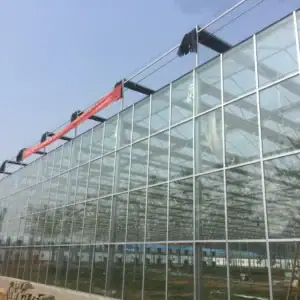
Advanced greenhouse designs incorporate adjustable louvered vents, exhaust fans, and ridge vents to facilitate natural and forced air exchange. Automated systems track internal conditions and activate vents or fans as needed. By maintaining ideal air circulation, growers can reduce energy costs associated with climate control equipment and improve plant health, leading to stronger, more resilient crops.
Maximizing Crop Yield Through Climate Control
Climate control systems in commercial greenhouses are engineered to create the perfect microclimate for each crop variety. Heating, cooling, and shading mechanisms work together to maintain target temperatures, while humidifiers and dehumidifiers balance moisture levels. Sophisticated control software adjusts these elements in response to real-time sensor data, ensuring that plants experience minimal stress throughout their growth cycles.
Supplemental lighting—such as LEDs tuned to specific light spectra—extends daylight hours and optimizes photosynthesis during cloudy periods. CO2 enrichment further boosts growth rates by increasing carbon availability. Integrating these systems within a unified control platform allows growers to implement crop-specific protocols. The result is a dramatic increase in yield per square foot, uniform crop quality, and shorter production cycles, all of which contribute to a more profitable and sustainable commercial greenhouse operation.
Impact of Greenhouse Designs on Food Security
Commercial greenhouses play a pivotal role in enhancing global food security by ensuring year-round production and reducing dependency on unpredictable weather patterns. Controlled environments safeguard crops from droughts, floods, and extreme temperatures, providing a steady supply of fruits, vegetables, and herbs regardless of external conditions.
By localizing production near urban centers, greenhouse facilities cut down on transportation distances, lowering carbon emissions and reducing spoilage. This proximity also enhances resilience against supply chain disruptions, ensuring consumers have constant access to fresh, nutritious produce. In regions prone to political instability or natural disasters, commercial greenhouse projects have delivered reliable food sources, proving that innovative design can directly address hunger and malnutrition challenges worldwide.
Balancing Productivity and Environmental Conservation in Greenhouse Farming
While commercial greenhouse systems drive high productivity, they also raise concerns about energy consumption, water usage, and environmental impact. To mitigate these challenges, many growers are adopting sustainable practices such as rainwater harvesting, closed-loop hydroponic systems, and renewable energy integration. These methods significantly reduce resource demands and carbon footprints.
For example, double-layer polycarbonate panels and thermal screens improve insulation, cutting heating costs by up to 30 percent. Geothermal and solar energy installations power heating and lighting, making operations more self-sufficient. Integrated pest management (IPM) strategies minimize chemical use, relying instead on biological controls and beneficial insects. By harmonizing high-yield techniques with eco-friendly innovations, greenhouse designers ensure that our quest for productivity does not come at the expense of the planet’s health.
Conclusion
Commercial greenhouse designs are revolutionizing agriculture by merging cutting-edge technology with sustainable practices to boost productivity and resilience. From integrated automation and climate control to eco-conscious energy solutions, these advanced structures unlock unprecedented efficiencies and crop outputs.
As we confront rising food demands and environmental challenges, the continued evolution of greenhouse systems holds the promise of secure, year-round harvests with minimal ecological impact. Embracing these innovations paves the way for a more sustainable—and nourished—future.
