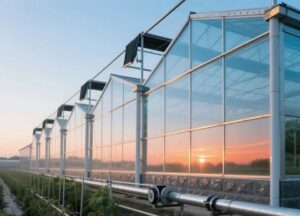



In an era where sustainability and self-sufficiency are increasingly becoming the cornerstones of modern living, the humble greenhouse has emerged as a pivotal tool in transforming how we approach gardening. Far from just being a structure with transparent walls and a roof, a greenhouse offers a controlled environment where plants can thrive regardless of the season. This makes it indispensable for gardeners aiming to cultivate fresh produce all year round while also reducing their carbon footprint. From extending growing seasons to providing a haven for exotic plants, the role of a greenhouse in modern gardening cannot be overstated.
Imagine stepping into a lush, green oasis in the dead of winter, surrounded by vibrant blooms and thriving vegetables—a stark contrast to the barren landscape outside. This is not a distant dream but a tangible reality that a well-designed greenhouse can offer. As climate patterns become increasingly unpredictable, having such a stable microclimate allows gardeners not only to nurture their plants meticulously but also to experiment with diverse varieties that wouldn’t otherwise survive in a natural outdoor setting. This innovation in gardening is slowly redefining what is possible, enabling even urban dwellers with limited space to connect with nature in meaningful ways.

Benefits of Having a Greenhouse in Modern Gardening
One primary benefit of having a greenhouse is the ability to maintain a consistent and optimal environment for plant growth. By controlling temperature, humidity, and light exposure, gardeners can protect sensitive seedlings and mature plants from extreme weather events, pests, and diseases. This level of control leads to healthier plants, more robust root systems, and ultimately higher yields. Moreover, a greenhouse allows the cultivation of exotic or non-native species that demand specific climatic conditions—bringing tropical fruits, vibrant orchids, or heat-loving vegetables into regions where they would otherwise perish.
Another significant advantage is resource efficiency. Greenhouses can be designed to capture and recycle rainwater, employ drip irrigation systems, and utilize energy-efficient glazing materials that maximize solar gain while minimizing heat loss. These systems reduce water consumption and energy bills, making greenhouse gardening an eco-friendly choice. Beyond practical benefits, the greenhouse serves as an educational hub: families and communities can observe germination, pollination, and plant physiology firsthand. Whether for hobbyists, commercial growers, or educational institutions, the greenhouse stands as a multipurpose asset that enhances productivity, sustainability, and learning in modern gardening.
Extending Growing Seasons with a Greenhouse
A greenhouse fundamentally shifts the growing calendar by providing insulation and environmental controls that outdoor gardens lack. In early spring, the structure retains solar heat, allowing gardeners to start seeds weeks earlier than would be possible outdoors. Similarly, as autumn arrives, a greenhouse protects plants from frosts and dropping temperatures, extending harvests well into the cooler months. This early start and delayed finish translate into significantly longer productive periods, making year-round cultivation a reality.
While passive solar greenhouses capture and store heat naturally, active systems can incorporate heaters, thermostats, and automated vents to further stabilize conditions. Fans and vents work together to regulate humidity and airflow, preventing fungal diseases and ensuring plants receive fresh carbon dioxide. By leveraging such strategies, gardeners can continuously sow, nurture, and harvest a diverse array of crops regardless of external weather fluctuations. The result is a consistent supply of fresh produce, increased resilience against climate unpredictability, and a more reliable garden calendar throughout the year.
Maximizing Year-Round Fresh Produce Production
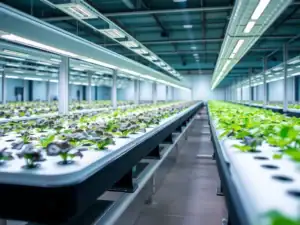
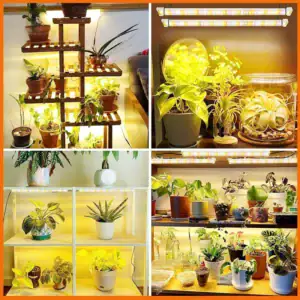
Greenhouses empower gardeners to achieve continuous harvest cycles of vegetables, herbs, and fruits. Succession planting—staggering sowing dates so new crops replace harvested ones—thrives in a controlled environment, ensuring fresh greens are always available. Hydroponic or aquaponic systems within a greenhouse can accelerate growth rates by delivering nutrients directly to plants’ roots, boosting yields while using less water than traditional soil methods. By integrating vertical shelving or tiered benches, gardeners further increase planting density, making efficient use of limited greenhouse space.
Moreover, growing produce on-site eliminates the need for long-distance transportation, maintaining nutrient density and flavor while decreasing carbon emissions tied to shipping. Customers or household members can pluck tomatoes at peak ripeness, harvest crisp lettuce leaves, or snip fragrant herbs in the moment—they bypass spoilage and reduce food waste. Through thoughtful planning, gardeners can rotate warm-weather crops like tomatoes and peppers with cool-season greens such as spinach and kale, designing a seamless production schedule. This strategy not only maximizes output but also fosters a deeper connection to the food cycle and promotes healthier eating habits year-round.
Sustainability and Reduced Carbon Footprint Through Greenhouse Gardening
By localizing food production, greenhouses directly cut the carbon footprint associated with transportation and storage. Instead of shipping produce across vast distances—often requiring refrigerated containers—gardeners supply fresh harvests on-site or within their community. Employing rainwater harvesting systems in greenhouses further conserves freshwater resources, while drip irrigation ensures precise watering with minimal waste. These sustainable water practices are especially valuable in drought-prone regions, reducing overall environmental strain.
Energy efficiency in greenhouse design also plays a vital role in sustainability. Insulated panels, thermal mass materials like stone or water barrels, and strategic orientation maximize solar gain in winter and shade in summer. Solar panels can power fans, heaters, and LED grow lights, reducing reliance on fossil fuels. Additionally, integrated pest management techniques—such as introducing beneficial insects or using organic soil amendments—limit chemical pesticide use. Collectively, these practices create an eco-friendly growing environment, demonstrating that greenhouse gardening is not only productive but also aligned with broader environmental stewardship goals.
Design Considerations for an Effective Greenhouse Setup
When planning a greenhouse, location is paramount. A south-facing orientation captures maximum sunlight, while surrounding trees or buildings should not cast heavy shadows. Ensure the ground is level and well-draining, placing the foundation away from frost pockets. Accessibility to utilities—water, electricity—simplifies installation of irrigation systems, climate controls, and supplemental lighting. Consider local zoning regulations or homeowner association rules before construction to avoid compliance issues.
Next, select materials and structural elements that balance budget, durability, and insulation. Polycarbonate panels offer excellent thermal retention and impact resistance at a lower cost than traditional glass, while tempered glass provides high light transmission and longevity. Frame materials range from aluminum, which resists corrosion, to sturdy wood that offers natural insulation. Ventilation—via roof vents, side louvres, or automated fans—maintains airflow and controls humidity. Automated climate systems, such as thermostats, humidistats, and irrigation timers, streamline daily management. Finally, plan internal layouts: raised beds or benches at ergonomic heights reduce strain, and shelving maximizes vertical space. Thoughtful design choices ensure the greenhouse operates efficiently, supports diverse crops, and delivers optimal growing conditions year after year.
Conclusion: Embracing the Future of Gardening with Greenhouses
Greenhouses have revolutionized the way we cultivate plants, delivering unparalleled control over climate and resources. By extending growing seasons and optimizing year-round production, they empower gardeners to harvest fresh, nutritious produce in any region, at any time of year.
With sustainable practices—from rainwater collection to solar-powered systems—greenhouse gardening not only nourishes communities but also reduces environmental impact. As we strive for resilience against unpredictable weather and global supply chain challenges, the greenhouse stands as both a symbol and a solution for the future of modern gardening.